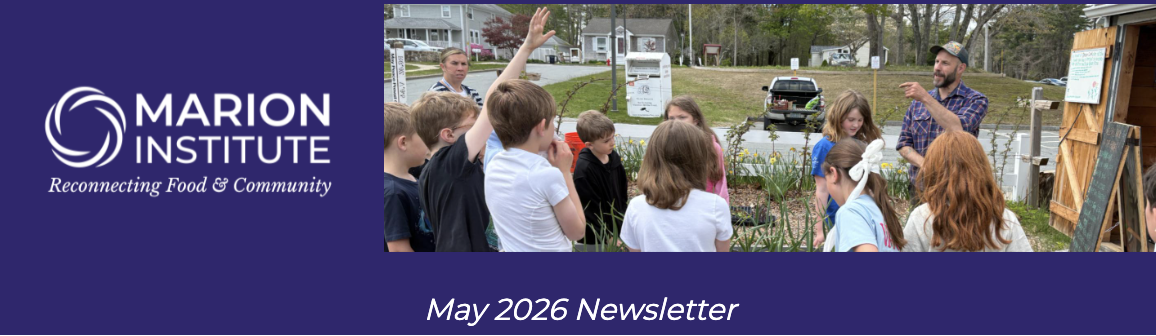
As we move further into the growing season, we’re continuing the work of reconnecting food & community across our region—from expanding school garden education and harvesting fresh produce for local food pantries to advancing regional food system conversations and policy efforts.
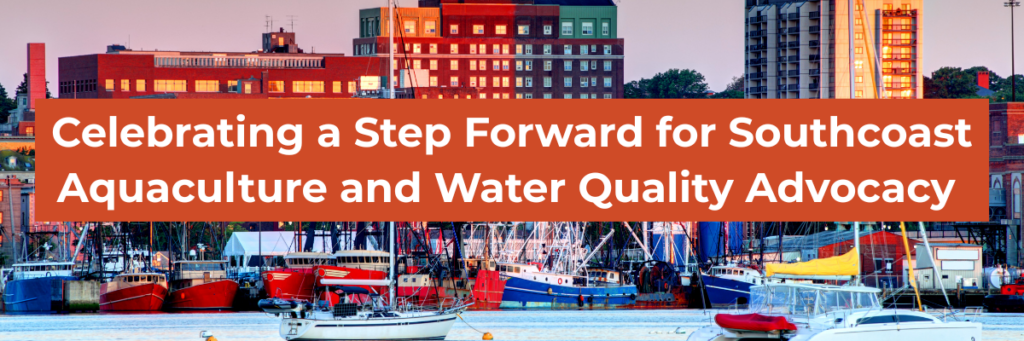
Yesterday marked an important step forward for Southcoast aquaculture and water quality advocacy. Senator Mark Montigny helped secure critical resources to expand water testing capacity related to CSO impacts affecting oyster farmers in Buzzards Bay—an effort that underscores the importance of sustained investment in resilient local food infrastructure.
Our recent Roots & Revelry Gala at the Zeiterion Theater served as a meaningful reminder of the strong community behind this work and the shared belief that healthier, more connected food systems are possible when we work together. We’re grateful for the many farmers, educators, volunteers, partners, and supporters helping move this work forward every day, and we’re excited to share a few recent updates below.



A coalition advancing regional food security through equity and sustainable systems
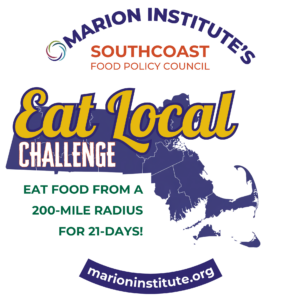 Interested in eating healthier, supporting local food producers, and building a deeper connection to where your food comes from? Join our free 21-Day Eat Local Challenge—a simple, approachable journey filled with seasonal recipes, nutrition insights, practical tips, and daily inspiration to help you source, cook with, and enjoy more local food this summer. Small shifts can make a big impact.
What’s Happening?
In an effort to address the prolonged shellfish bed closures related to Combined Sewer Overflow (CSO) that have been affecting oyster farmers in Buzzards Bay, the Massachusetts Division of Marine Fisheries proposed new funding that would support additional scientific sampling, staffing, and testing equipment to help reduce closures following CSO events. In response, Senator Mark Montigny advanced an amendment to fund the initiative, which was passed and fully funded by the Senate yesterday – a great victory for the industry!
Why this matters: Expanded testing capacity could help reduce some shellfish closure periods from 21 days to as few as 9 days following certain CSO events—potentially reducing unnecessary harvest closures that have significantly impacted local growers in recent years. During storm season, this could have a major impact by allowing for more rapid testing, fewer closure days for aquaculture operations, and continued protection of public health.
This proposal also represents an important step forward for Southcoast aquaculture, science-based water quality management, and the resilience of our regional coastal food economy, while highlighting the power of continued advocacy and regional collaboration.
What Happens Next?
The Senate and House budgets will move to a conference committee, where members from both chambers will reconcile the budget before sending it to the Governor for final approval and signature.
Thank you
We’re especially grateful to Senator Mark Montigny for advancing the amendment that helped move this effort forward, and to Chair Michael Rodrigues for his leadership and responsiveness in helping elevate the issue. We also want to recognize the Massachusetts Division of Marine Fisheries, along with the many growers, advocates, and regional partners continuing to push this important work forward.
Thank You to Our Coalition Partners

Farming, harvesting, & gleaning fresh produce to feed our neighbors in need
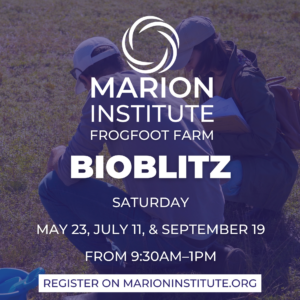
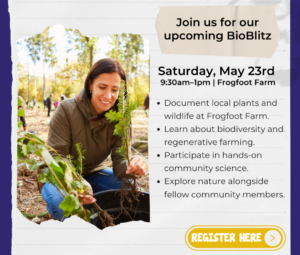
Join us for the 2026 Frogfoot Farm BioBlitz series
A hands-on community science experience where participants help document the plants, insects, birds, and wildlife thriving across the farm while learning how regenerative farming supports healthy ecosystems and biodiversity.
May 23 • July 11 • September 19 | 9:30am–1:00pm
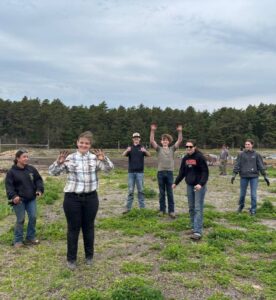
Thank you Bristol Aggie for your Day of Service
We were grateful to welcome 14 students and two teachers from Bristol County Agricultural High School to Frogfoot Farm. Together, the group contributed nearly 40 hours of volunteer support, helping plant native species, spread organic mulch, manage weeds, and prepare production beds for the growing season ahead. Beyond the work accomplished, the visit was a meaningful reminder of how volunteerism can strengthen community connections and inspire the next generation to be part of building a more resilient and equitable food system.

Harvesting surplus crops, feeding neighbors, and building community across Southeastern Massachusetts
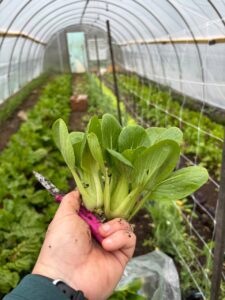
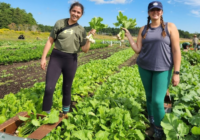
Our Fields to Families program continues to connect fresh, locally grown food with community members across the Southcoast. Recently, our team gleaned 15 lbs of Swiss chard and 14 lbs of bok choy from The Neighborhood Farm in Westport, donating it all to My Brother’s Keeper in North Dartmouth. We also recovered more than 30 lbs of fresh spinach from The Neighborhood Farm—beautifully interplanted and harvested with the help of volunteers—which was delivered to the PACE Community Food Center in New Bedford.
These gleaning efforts help ensure nutritious local produce reaches neighbors who need it most while reducing food waste and strengthening regional food access.

Farm-to-school program promoting health, sustainability, equity, and ecological literacy
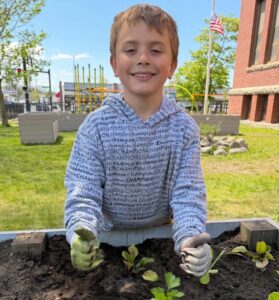
Spring is in full swing across our Grow Education schools, with students getting their hands in the soil as gardens come back to life for the season ahead. Across the region, students have been planting spring crops, exploring soil health and plant life cycles, and connecting classroom lessons to hands-on garden experiences. This month also brought exciting milestones beyond the garden, including continued progress on our Fall River expansion, recognition of Grow Education Program Manager Nate Sander with the Elizabeth Abernathy Hull Award, and ongoing support from partners like the Coast of Maine Growing Good Program, whose compost donations are helping school gardens thrive for another growing season.
Craft a meaningful legacy through the Marion Institute’s Legacy Society with planned gifts, impacting our mission in perpetuity.
If you’ve designated a planned gift, or have questions about our Legacy Society, please reach out at legacy@marioninstitute.org or 508-748-0816, ext. 118.
Related Posts