June has been filled with meaningful progress across Marion Institute’s programs. Together with our volunteers, partners, and supporters, we’ve been growing food, expanding access, fostering learning, and strengthening connections throughout Southeastern Massachusetts. Below, you’ll find updates from each of our programs and the collective impact we’re creating together.

A coalition advancing regional food security through equity and sustainable systems
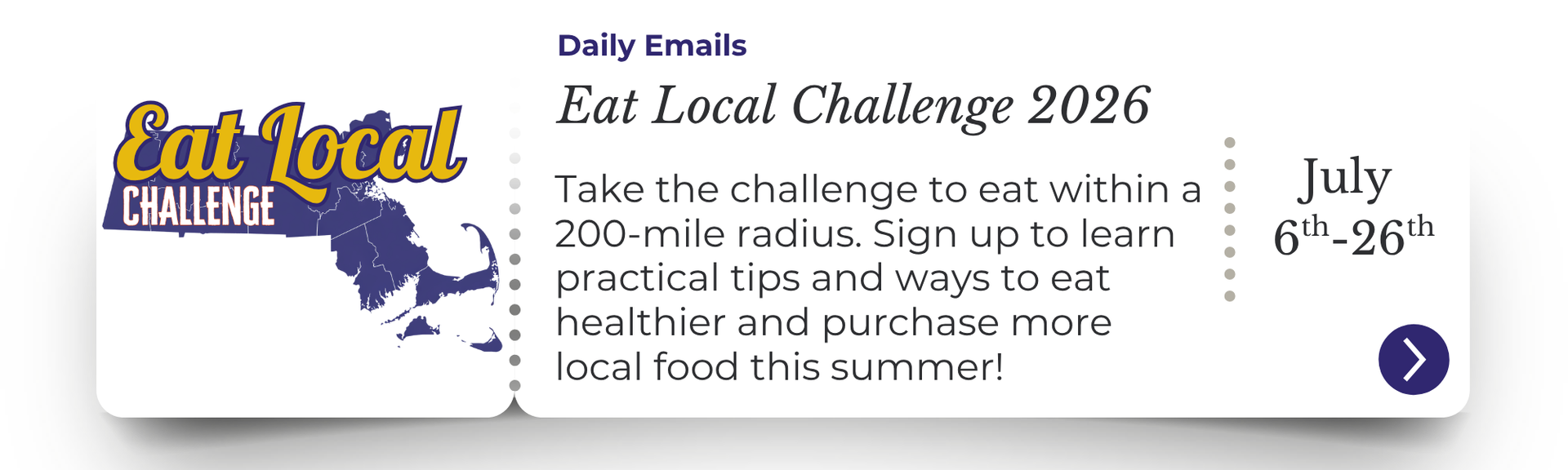
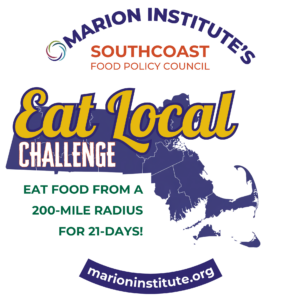 Interested in eating healthier, supporting local food producers, and building a deeper connection to where your food comes from? Join our free 21-Day Eat Local Challenge—a simple, approachable journey filled with seasonal recipes, nutrition insights, practical tips, and daily inspiration to help you source, cook with, and enjoy more local food this summer. Small shifts can make a big impact.
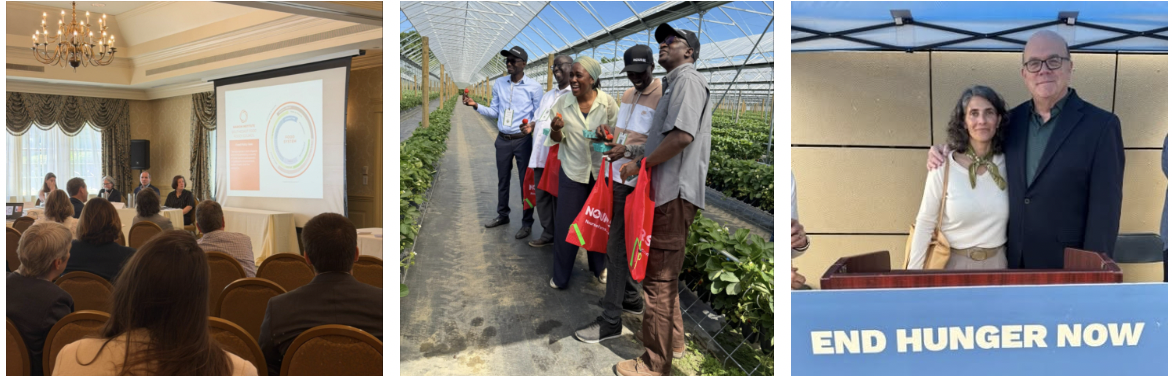
This month, Marion Institute Executive Director Liz Wiley and Southcoast Food Policy Council Program Coordinator Christine Smith attended the 2026 Northeast Association of State Departments of Agriculture (NEASDA) Annual Meeting, joining agricultural leaders and food system advocates from across the region to discuss food security, farmland protection, and strengthening local food supply chains. We were also proud to see the Southcoast Food Policy Council represented on a conference panel, highlighting innovative work taking place across Southeastern Massachusetts.
Liz also joined Congressman Jim McGovern, Congressman Bill Keating, Mayor Jon Mitchell, and local partners at the New Bedford Culinary Center as part of Congressman McGovern’s statewide End Hunger Tour. The visit included a roundtable discussion focused on hunger relief, food access, and building a more resilient food system.
We are grateful to MDAR and Commissioner Randle, Congressman McGovern, Congressman Keating, Mayor Mitchell, and all of our community partners working to advance equitable access to healthy food throughout our region.

Farming, harvesting, & gleaning fresh produce to feed our neighbors in need
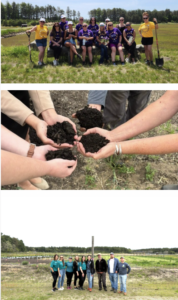
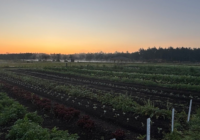
It has been a busy month at Frogfoot Farm, where healthy ecosystems and healthy communities continue to grow together. We were grateful to welcome volunteers from Southcoast Health, First Citizens’ Ambassador Team, and Point32Health, whose service helped support food production, habitat restoration, and ongoing farm stewardship.
We also thank Southcoast Health’s Food Waste Composting Program and Black Earth Compost for donating four yards of compost made from food scraps collected throughout the Southcoast Health network. This nutrient-rich compost will help improve soil health and support the continued growth of fresh produce donated through our Neighbors Feeding Neighbors program.
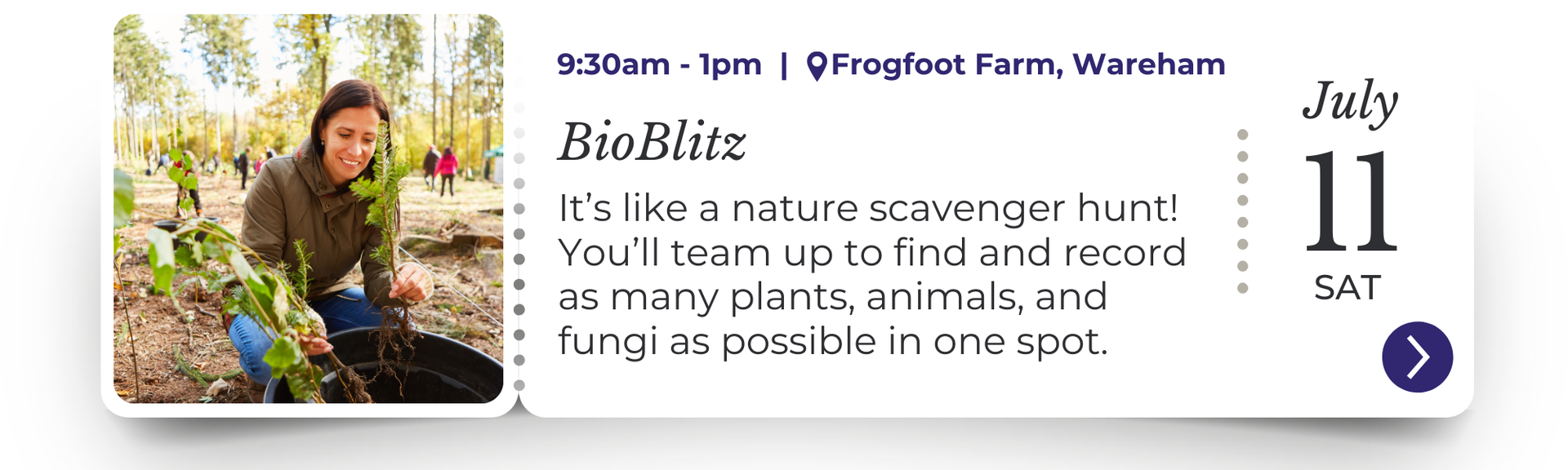
In addition to volunteer efforts, our ecology work continued with native plantings, pollinator habitat maintenance, and preparations for the next BioBlitz. Together, these efforts demonstrate how healthy soil, thriving ecosystems, and engaged communities can help build a more resilient local food system.

Harvesting surplus crops, feeding neighbors, and building community across Southeastern Massachusetts
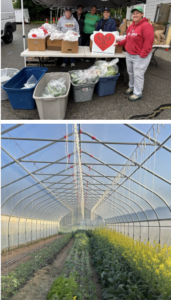
Fields to Families continues to connect local farms, food producers, and community partners across Southeastern Massachusetts. This month, volunteers helped recover more than 250 pounds of fresh produce, including kale, spinach, Swiss chard, bok choy, herbs, strawberries, and green garlic, providing nutritious food to local food pantries and organizations.
In addition to gleaning fresh produce from local farms, Fields to Families also expanded its food recovery efforts by partnering with Meatworks to rescue a variety of frozen beef and pork products and with Heart Beets Farm to recover surplus CSA shares. These efforts help ensure high-quality, locally produced food reaches community members throughout the region.
Get involved! Volunteers are essential to every glean and food recovery effort. Whether you’re harvesting crops in the field or helping move recovered food to community partners, your time helps strengthen a more resilient and equitable local food system.

Farm-to-school program promoting health, sustainability, equity, and ecological literacy
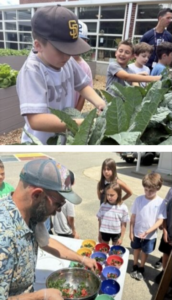
As the school year comes to a close, students in our Grow Education program are eagerly awaiting their final harvests while reflecting on a season of hands-on learning in the garden. Most recently, students participated in a kale salad taste test, exploring how fresh ingredients can be transformed into nutritious foods. Along the way, they learned about the nutritional benefits of the foods they grow, the importance of making healthy choices, and the connection between food, farming, and personal wellbeing.
We extend our gratitude to the teachers and school administrators who helped make this year’s programming possible. While classrooms may be quiet for the summer, our school gardens will remain active. Crops will continue to grow and be harvested for donation to local food pantries, ensuring the gardens continue to serve both as learning spaces and as sources of fresh, healthy food for the community.
If you notice some plants flowering or going to seed over the summer, it’s all part of the process. These moments offer valuable lessons in plant life cycles and help prepare the gardens for future growing seasons.


Craft a meaningful legacy through the Marion Institute’s Legacy Society with planned gifts, impacting our mission in perpetuity.
If you’ve designated a planned gift, or have questions about our Legacy Society, please reach out at legacy@marioninstitute.org or 508-748-0816, ext. 118.
Related Posts