As we head toward spring, there’s growing momentum across the Marion Institute. From welcoming new leadership to expanding our farm-to-food relief work, engaging in policy conversations, and supporting hands-on food literacy in classrooms, our team is actively working to strengthen the regional food system. This month, we’re excited to share updates from the farm, the classroom, and the State House — along with ways you can get involved in the work ahead.
|
Sarah joins our team as Fields to Families Program Manager, bringing more than 20 years of experience supporting farmers and strengthening local food systems across Southeastern MA and RI. We’re excited to have her leadership helping expand access to fresh, local food through our Fields to Families program. Welcome, Sarah! |
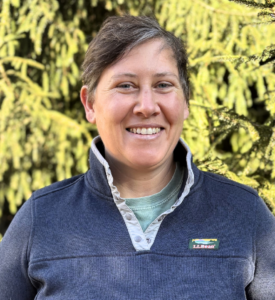 Please join us in welcoming Sarah Cogswell to the Marion Institute!
A coalition advancing regional food security through equity and sustainable systems
|
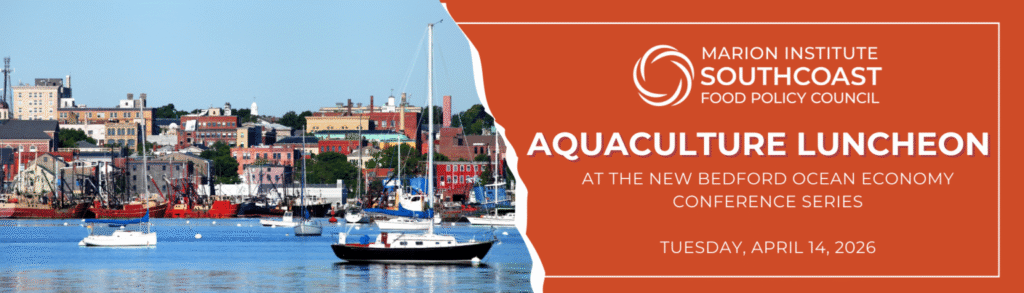
We’re excited to share that the Aquaculture Policy Coalition will be convening during the Aquaculture Luncheon at the New Bedford Ocean Economy Conference Series on April 14. |
|
|
The luncheon portion is complimentary to attend, and we encourage you to grab a bite to eat and join us to learn more about the Aquaculture Policy Coalition’s goals and how to get involved. Please register for this portion below. You are also welcome to participate in the full Aquaculture conference — or register for a two-track bundle that includes both the Aquaculture session (April 14) and the Commercial Fishing session (October 15). |
Ag Day at the Massachusetts State House
On March 11, the Marion Institute joined farmers, agricultural leaders, and advocates from across the Commonwealth for the 2026 Ag Day at the Massachusetts State House, hosted by the Massachusetts Farm Bureau Federation. The event celebrates Massachusetts agriculture and brings together farmers, organizations, and policymakers to discuss key issues impacting the agricultural community.
The Marion Institute tabled during the event to raise awareness about our work strengthening the regional food system — from farm-to-food relief and food literacy education to food policy and advocacy. It was a great opportunity to connect with legislators, farmers, and partners while sharing how community-based solutions are helping ensure everyone can access healthy, locally grown food.
Plymouth County, We Need Your Help!
Residents, farmers, fishers, food businesses, and community organizations across Plymouth County are invited to help shape the future of our regional food system by taking a short public survey.
The survey is part of a regional initiative led by the Old Colony Planning Council, in partnership with Plymouth County, the Marion Institute, and regional partners, to better understand how food moves through our communities — from farms and fisheries to markets, restaurants, schools, and households.
Your feedback will help inform a Regional Food System Action Plan that identifies opportunities to strengthen local food production, support food-related businesses, improve access to food, and build resilience in the face of supply disruptions and extreme weather.
The survey takes about 5 minutes (10 minutes for businesses) and is open through March 22.
Farming, harvesting, & gleaning fresh produce to feed our neighbors in need
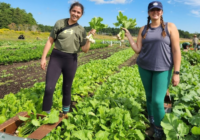
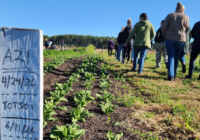
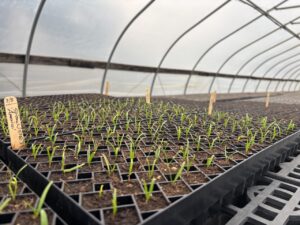 While the fields may still look quiet, the season is already underway at Frogfoot Farm. Greenhouse work has begun, with early seeding and planting in progress for crops that will support both our Grow Education school gardens and our Farm-to-Food Relief programs.
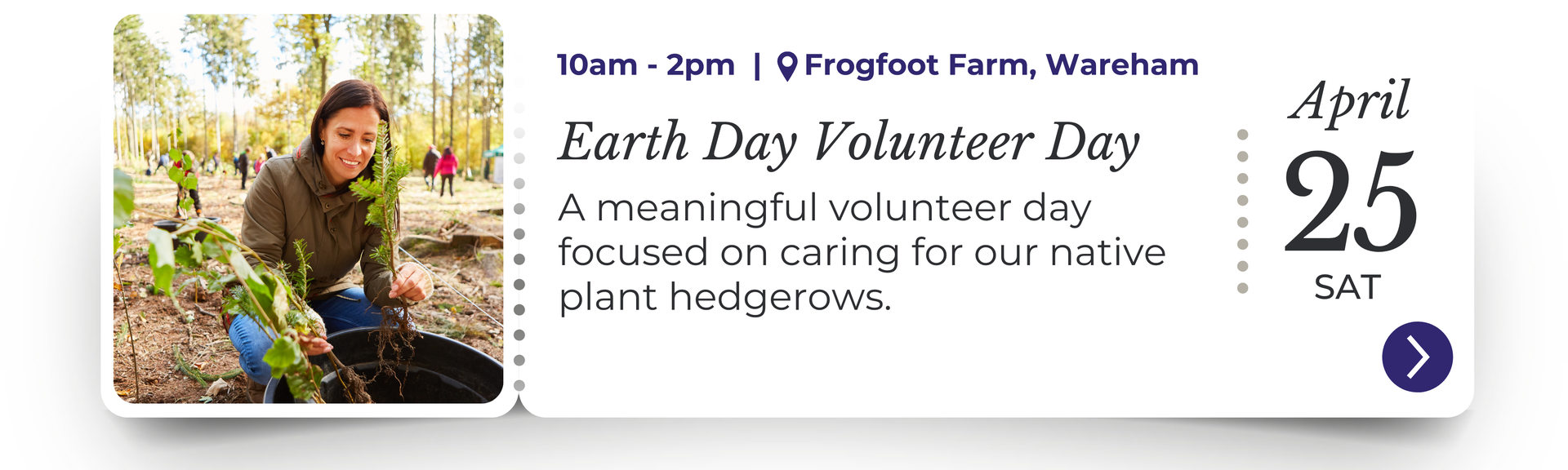
As the season ramps up, we’re actively recruiting volunteers to help bring this work to life. We’ll also be hosting an Earth Day Volunteer Event at Frogfoot Farm on April 25, welcoming community members to help care for our native plant hedgerows.
If you’d like to be the first to know when additional volunteer opportunities open, be sure you’re signed up to volunteer.

Farm-to-school program promoting health, sustainability, equity, and ecological literacy
 Reduce. Reuse. Recycle.
Even while school gardens rest under winter snow, Grow Education classrooms across the Southcoast remain busy exploring food literacy, soil health, and the journey of food from farm to plate. Students have been diving into lessons on seed saving, composting, food waste, and advocacy.
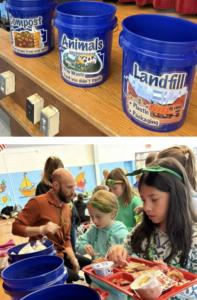
We are currently launching Food Waste Audits in participating schools, where students sort, weigh, and track cafeteria waste to better understand what can be composted, fed to animals, or sent to a landfill. During a recent audit at Old Hammondtown School in Mattapoisett, students diverted the majority of waste from the trash — contributing 8.5 lbs to compost, 3.5 lbs to feed animals, and just 4 lbs to landfill.
Through hands-on learning and real-world action, students are discovering how small choices can make a big impact on our local food system.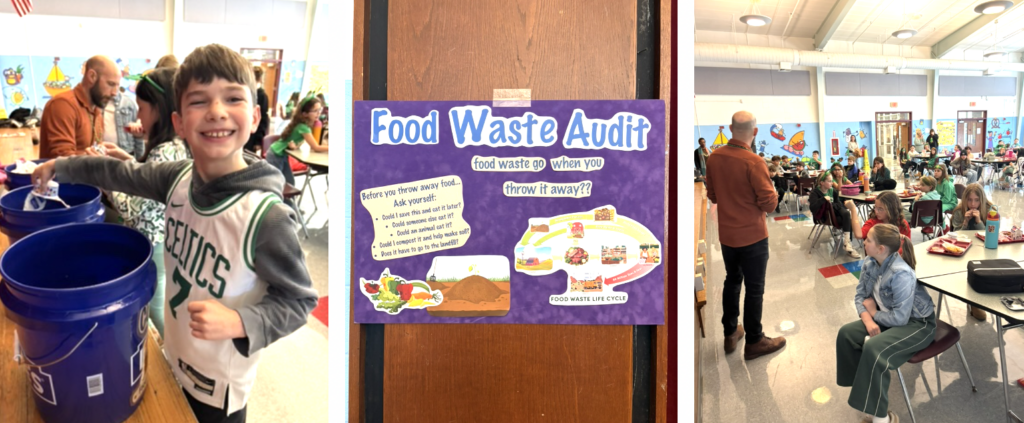

Craft a meaningful legacy through the Marion Institute’s Legacy Society with planned gifts, impacting our mission in perpetuity.
If you’ve designated a planned gift, or have questions about our Legacy Society, please reach out at legacy@marioninstitute.org or 508-748-0816, ext. 118.
Related Posts