Farm tour and fermentation workshop highlight how education, sustainable agriculture, and food relief work together to nourish communities.
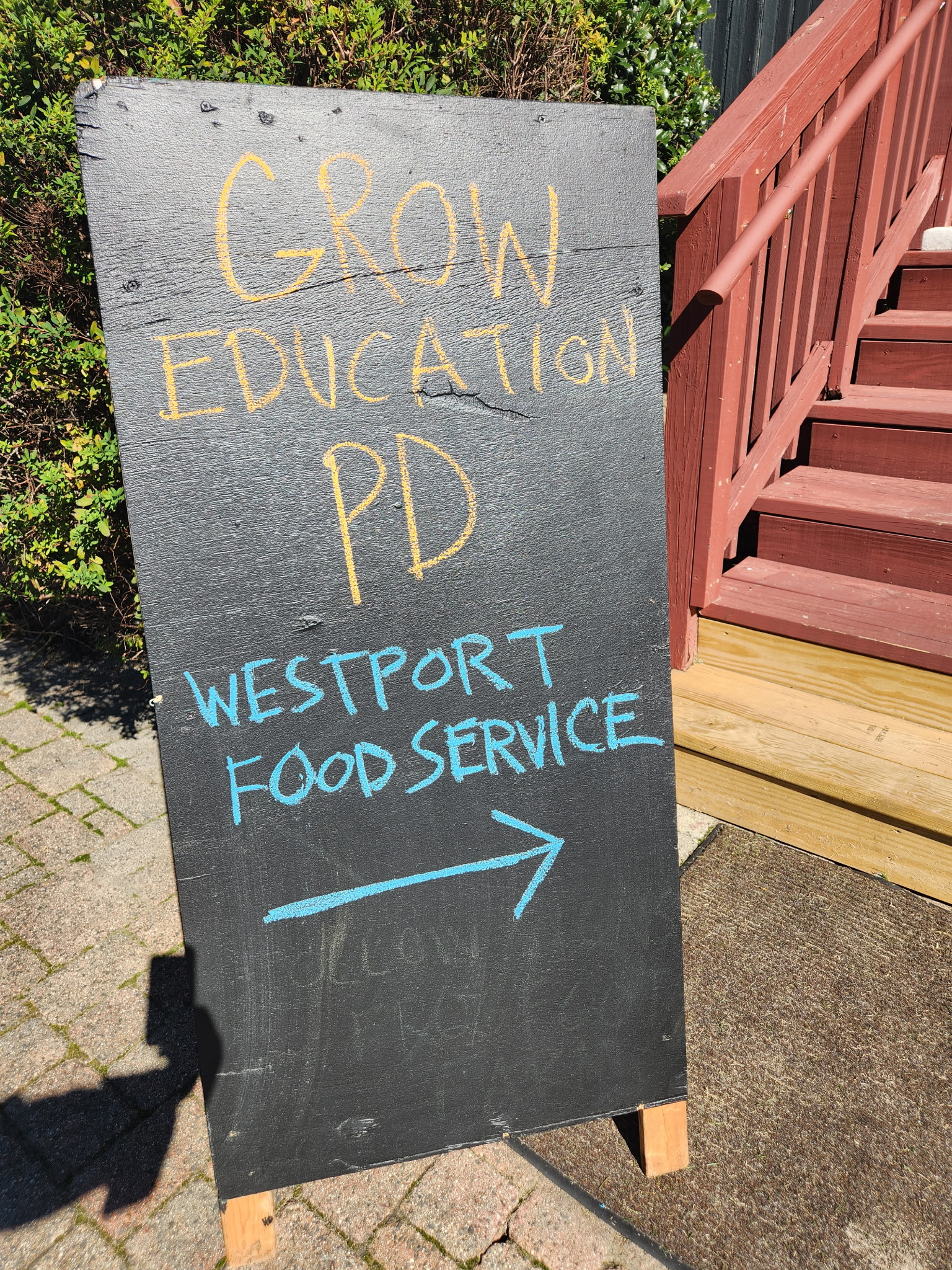
Building a food-secure future takes people willing to learn, try new approaches, and put ideas into action. On October 7, the Marion Institute welcomed staff from the Westport Schools Food Service Department to Frogfoot Farm for a day connecting the people who nourish students with the soil, crops, and practices behind healthy food.
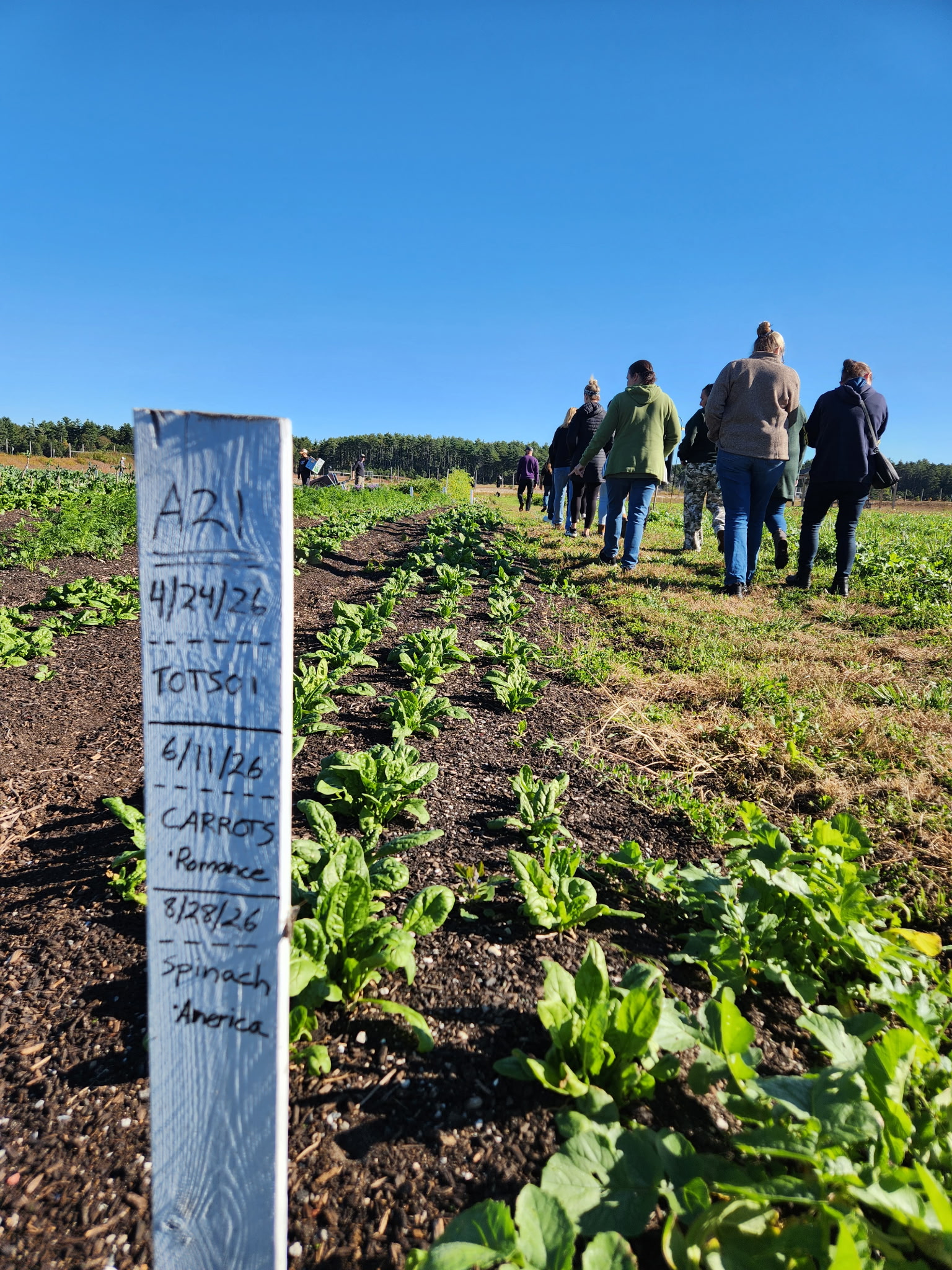
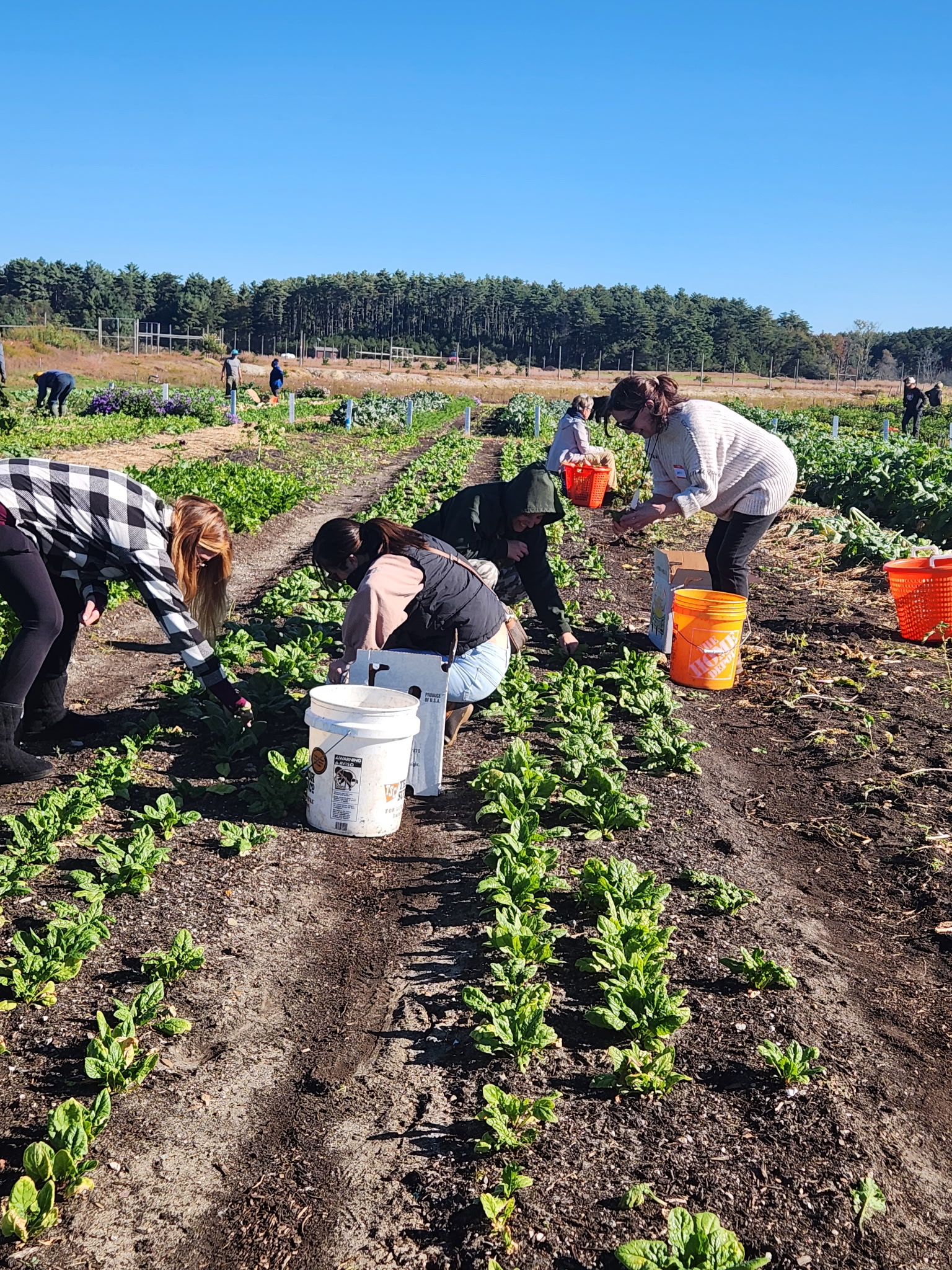
Led by Nate Sander, the Marion Institute’s Grow Education Program Manager, the visit combined a farm tour, harvesting, and a fermentation workshop. It offered school food service staff an opportunity to explore the connections between agriculture, nutrition, and their daily work serving students.
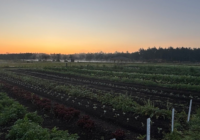
Frogfoot Farm operates on land provided through the Marion Institute’s partnership with A.D. Makepeace Company. This collaboration helps make the farm’s work possible, providing a place where regenerative agriculture, community education, and food relief come together to benefit neighbors across Southeastern Massachusetts.
During the tour, participants learned about the cycle of crop cultivation and how resting fields help replenish soil nutrients for the next growing season. They also explored how the farm provides habitat for wildlife, including stopping points for migrating birds. These conversations illustrated an approach to farming that considers the health of the whole landscape—from the soil beneath the crops to the wildlife that depends on it.
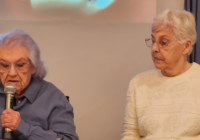
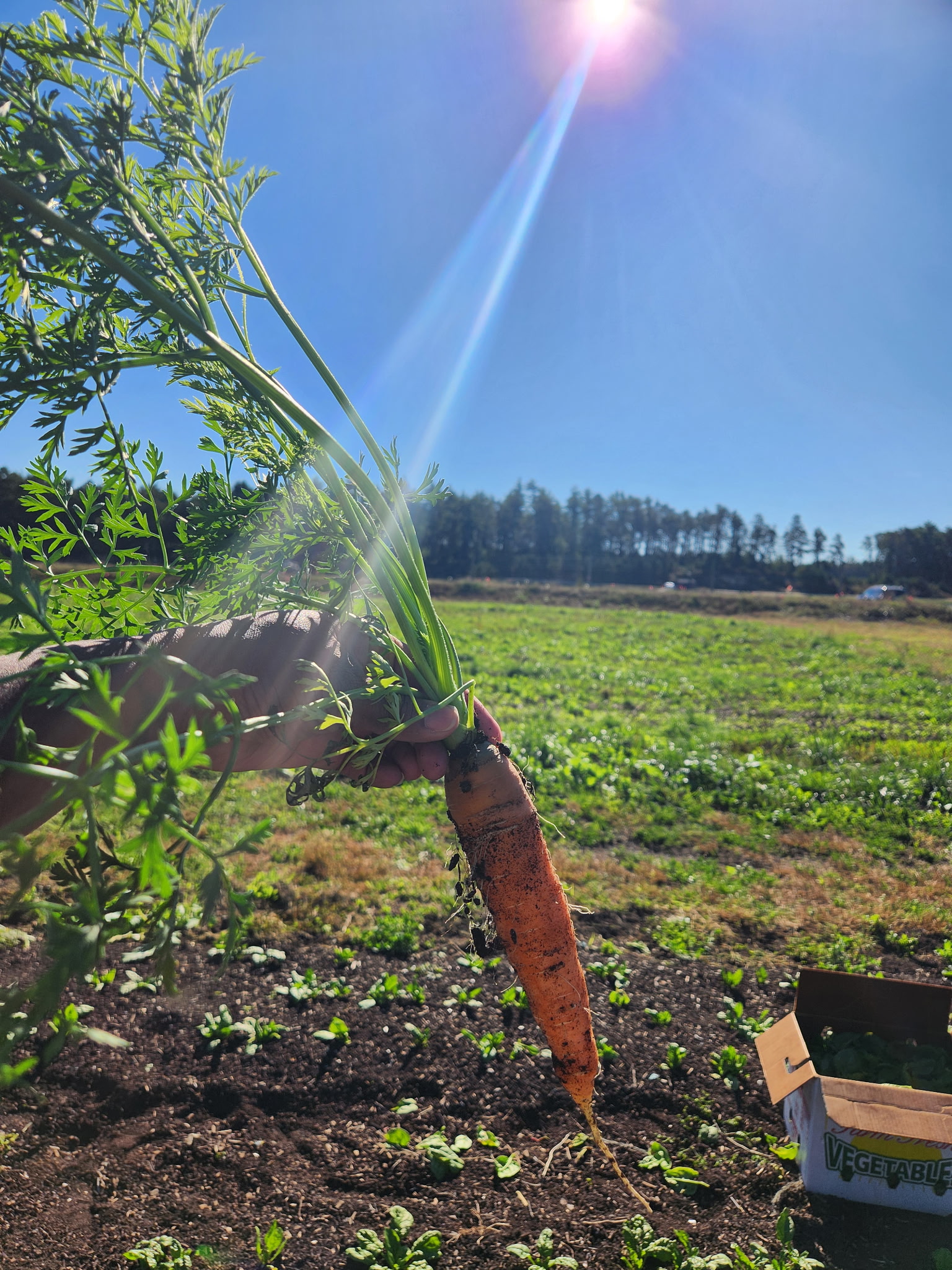
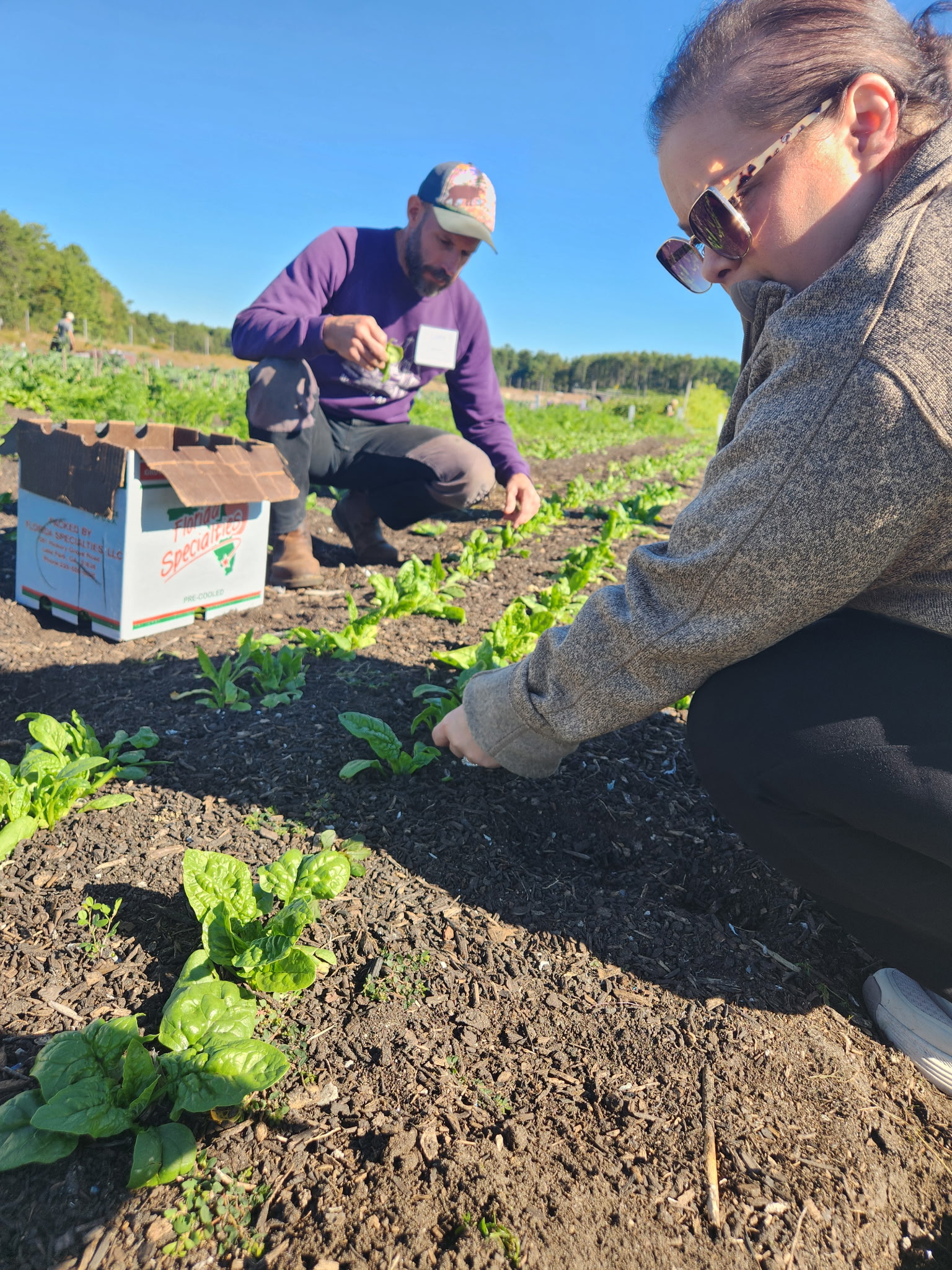
The group helped harvest spinach, carrots, and chard before joining Rose from IndieFerm in Plymouth for a workshop on fermentation and sauerkraut making. Using ingredients from Frogfoot Farm, participants explored how preserving a harvest can create new ways to prepare and enjoy local produce.
The visit brought two parts of the Marion Institute’s work together. Grow Education connects students, teachers, and school communities with food and farming through school gardens, classroom lessons, and taste tests. Engaging school food service staff extends those connections to the people who help shape students’ everyday experiences with food.
At Frogfoot Farm, those lessons take place on a working regenerative farm where all produce grown is donated for food relief. The farm brings volunteers and community partners together to grow fresh, health-promoting food for neighbors in need while caring for the land that makes each harvest possible.
That work is complemented by Fields to Families, the Marion Institute’s gleaning and food recovery program. Through partnerships with local farms and volunteers, Fields to Families harvests and recovers fresh produce and connects it with food pantries and other community organizations. Together, the two programs turn local agricultural resources into nourishment for Southeastern Massachusetts communities.
The Westport visit demonstrated how these efforts reinforce one another: healthy soil supports fresh food; education builds knowledge and engagement; and growing, gleaning, and sharing help more neighbors access the harvest. Partnerships with schools, farmers, businesses such as A.D. Makepeace Company, and community organizations help put those connections into practice.
For the Marion Institute, a food-secure future is something to build through practical action today. Bringing school food service staff onto the farm is one way to strengthen the relationships, skills, and local connections that move that work forward.
Related Posts