January 2026 Newsletter
As we welcome 2026, we’re stepping into a year of reflection, refinement, and renewed focus. This is a moment for the Marion Institute to clarify our voice, sharpen our mission, and strengthen how our work shows up in community. Below, we’re proud to share some impact data from 2025—a snapshot of what your support made possible and the foundation we’re building from as we move forward. And as we look ahead, we invite you to Save the Date for our 1st Annual Roots & Revelry fundraiser on May 2—more details coming soon.

Farming and harvesting fresh produce to feed our neighbors in need
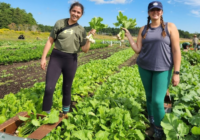
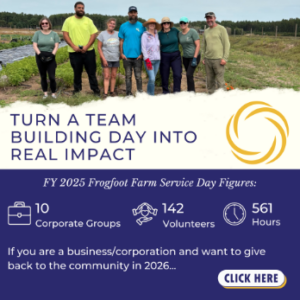 This season, Frogfoot Farm brought together 211 volunteers who contributed 1,761 volunteer hours to harvest 12,919 pounds of fresh, local produce—equal to 121,911 nourishing servings—across 25 unique varieties of vegetables and herbs. Corporate service days played a powerful role, with 10 businesses engaging 142 team members for 561 hours of hands-on impact.
Looking for a meaningful, feel-good team service day that strengthens food access and regenerative farming? We’d love to host your business at Frogfoot Farm!

A coalition advancing regional food security through equity and sustainable systems
The Southcoast Food Policy Council’s work continues to be powered by people. Our Community Advisory Board (CAB) and Food Equity Advisors (FEA) contributed more than 15,862 volunteer hours to support coordination, advocacy, and collaborative action across the region over the past fiscal year—strengthening food system connections and advancing shared priorities throughout the Southeastern, MA.
In addition, the Southcoast Food Policy Council (SFPC) has a few updates to share as we head into the new year. Our Emergency Food Resources meeting has shifted from weekly to a monthly schedule following consensus from our January meeting. Our Lunch & Learn series is officially on the calendar, with sessions scheduled from February through March (with more to come!). You can view upcoming dates, times, and topics here. We’re also elevating our core advocacy efforts and will continue to keep you informed as opportunities and updates take shape.

HARVESTING SURPLUS | SHARING ABUNDANCE | STRENGTHENING COMMUNITY
Harvesting surplus crops, feeding neighbors, and building community across Southeastern Massachusetts
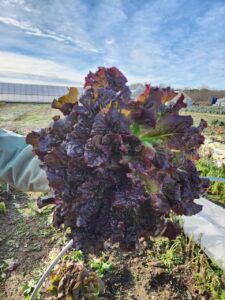 The impact of the first year of our Fields to Families gleaning program is already making a meaningful difference. Thanks to 59 volunteers, we harvested 10,920 pounds of fresh food, providing 51,939 servings to local food pantries across our region. This included 12,029 servings of fruit and 39,910 servings of vegetables, spanning 29 unique varieties of fruits, vegetables, and herbs. Across 7 participating farms, volunteers contributed 318 hours to help bring fresh, local food to families who need it most.
Gleaning plays a critical role in food access: fresh fruits and vegetables are among the most requested foods at food pantries, yet they are often the hardest to source in consistent, high-quality quantities. By recovering surplus crops and directing them to emergency food providers, Fields to Families strengthens nutrition access, supports local farmers, and ensures more of the harvest reaches our community.

Farm-to-school program promoting health, sustainability, equity, and ecological literacy
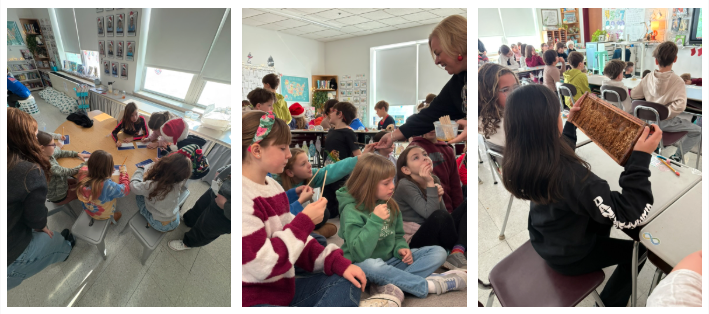
What’s Growin’ On!
Last fiscal year, Grow Education reached 1,437 students through 20,833 hands-on learning experiences, delivering 630 lessons both indoors and in school gardens. Students also participated in 119 taste tests, building curiosity, confidence, and connection to fresh food through hands-on exploration.
Beyond the garden, students are learning how to use their voices. As part of our advocacy efforts, students are writing to Massachusetts legislators to share why farm-to-school programs matter to them—highlighting how growing, tasting, and learning about food helps them understand where food comes from, care for the planet, and make healthy choices. Their messages urge state leaders to support Farm-to-School (S.311/H.565) and Food Literacy (S.392/H.735) legislation so more students across Massachusetts can learn, grow, and eat fresh food at school.
Right before winter break, students explored pollination by taste-testing local honey and learning about bees. Now, classrooms are diving into seeds and seed saving, connecting food literacy with stewardship, resilience, and civic engagement—showing students that their actions and voices can help grow healthier communities.





Craft a meaningful legacy through the Marion Institute’s Legacy Society with planned gifts, impacting our mission in perpetuity.
If you’ve designated a planned gift, or have questions about our Legacy Society, please reach out at legacy@marioninstitute.org or 508-748-0816, ext. 118.
Related Posts