New School Gardens Will Bring Hands-On Food and Environmental Education to Hundreds of Students
Planting Knowledge. Cultivating Community.
 FALL RIVER, MA — Marion Institute is proud to announce the expansion of its Grow Education Farm-to-School Program into Fall River Public Schools, bringing hands-on garden-based learning opportunities to students across the district.
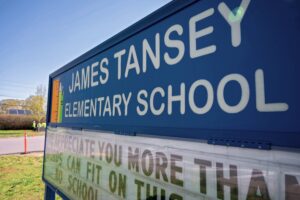
This fall, third-grade students at Westall, Tansey, and Watson Elementary Schools will begin exploring nutrition, environmental science, and plant life cycles through newly installed school gardens designed to serve as outdoor classrooms—the first phase of a three-year effort to bring Grow Education programming and school gardens to every elementary school in the district.
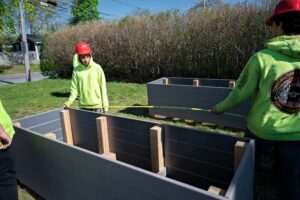
The project is made possible through Marion Institute’s Grow Education program and a unique partnership with B.M.C. Durfee High School’s Construction Craft Laborers program. Students in the program have built and are now installing 21 raised garden beds—seven at each elementary school—creating spaces where third graders can learn by growing their own food.
 The launch of the program will begin with a professional development day for participating educators, equipping teachers with the tools, resources, and confidence to integrate garden-based learning into their classrooms throughout the school year.
“These gardens represent more than just a place to grow vegetables,” said Liz Wiley, Executive Director of Marion Institute. “They create opportunities for students to connect with where food comes from, develop healthy habits, and engage with science and environmental stewardship in a hands-on and meaningful way.”
 Designed for durability, accessibility, and long-term use, the raised beds will become living laboratories where students can observe the growing process firsthand while reinforcing classroom lessons through experiential learning.
The expansion marks an important milestone for Grow Education, which currently reaches thousands of students annually across the Southcoast of Massachusetts through school gardens, classroom lessons, field experiences, and food literacy programming.
While Westall, Tansey, and Watson Elementary Schools will serve as the first cohort of implementation, the Marion Institute and Fall River Public Schools plan to install gardens and expand programming to all elementary schools across the district over the next three years. Fall River Public Schools serves more than 11,100 students, making this one of the largest district-wide farm-to-school initiatives in Southeastern Massachusetts.
“We know our students will be excited about learning, planting, and caring for something they helped create,” said Assistant Superintendent and Chief Academic Officer Brian Raposo. “These gardens will offer students a fun and engaging way to learn about science, agriculture, nutrition, and sustainability. We are grateful for our partnership with the Marion Institute and look forward to expanding these experiences to more schools across Fall River Public Schools in the years ahead.”
 From the classroom to the cafeteria to the community, Grow Education helps students build a deeper understanding of food, health, and the environment while fostering lifelong connections to healthy eating and local food systems.
In addition to expanding school gardens, the Marion Institute’s Southcoast Food Policy Council continues to advocate for strong Farm-to-School and Food Literacy policies that support equitable access to healthy, locally sourced food for students across Massachusetts.
About the Marion Institute
The Marion Institute believes that food is a powerful connector and the foundation of health. Through partnerships, education, and community engagement, we are strengthening our local food system to ensure all people can access and enjoy health-promoting food. To learn more, visit: marioninstitute.org.
About Grow Education Farm-to-School Program:
Grow Education is the Marion Institute’s farm-to-school program that partners with public schools to build school gardens, promote food literacy, and connect students to healthy, local food. By integrating hands-on learning with curriculum, Grow Education helps students understand where their food comes from, why it matters, and how it connects to their health, community, and environment. The program currently operates across all elementary schools in New Bedford (18), Westport (2), Wareham (1) Marion (1) Mattapoisett (1) and Rochester (1).
Related Posts