
A Gleaning Initiative of the Marion Institute
Harvesting surplus. Sharing abundance. Strengthening community.
Fields to Families is a regional gleaning initiative that connects farms with volunteers to harvest surplus crops—food that would otherwise not get harvested—and redistributes it to neighbors facing food insecurity across Southeastern Massachusetts.
Overview
Fields to Families is the Marion Institute’s regional gleaning program that connects local farms with volunteers to harvest surplus fruits and vegetables and distribute them to hunger relief organizations across Southeastern Massachusetts. By rescuing food that would otherwise be lost due to crop loss, we reduce food insecurity, support farmers, and build a more resilient local food system—one harvest at a time.
Our Mission
Fields to Families rescues surplus produce from local farms and redistributes it to those in need—reducing crop loss, supporting farmers, and nourishing our community with fresh, local food, all while strengthening the regional food system.
Our Vision
A Southeastern, MA where fresh, local food is never wasted and everyone has access to the nourishment they need to thrive.
Core Values
- Food Equity – We believe everyone deserves access to fresh, nutritious food—regardless of income or circumstance.
- Community Engagement – We foster connections between volunteers, farmers, and food access organizations to build a stronger, more resilient Southeastern, MA.
- Sustainability – We reduce crop loss and environmental impact by rescuing surplus produce that would otherwise go uneaten.
- Collaboration – We thrive through partnerships—with farms, pantries, funders, and neighbors—to make meaningful change together.
- Stewardship – We honor the land, the food it grows, and the hands that harvest it by using resources responsibly and with gratitude.
What is Gleaning?
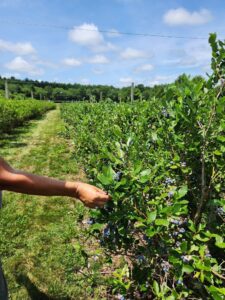
Gleaning is the act of collecting leftover crops from fields after the main harvest or gathering produce that might not otherwise be picked because of surplus, size, shape, or market conditions.
Historically, it was a way to share food with those in need, and today it remains an important practice for increasing access to fresh, healthy produce.
Why is Gleaning Important?
-
1 in 3 households in Massachusetts experienced food insecurity in the past year.
-
At the same time, an estimated 35% of edible food in the U.S. is never eaten, with much of it left unharvested in farm fields.
-
Southeastern MA is home to over 1,500 farms, yet most excess produce isn’t reaching emergency food providers.
2025 GOALS
Increase Gleaning Volume and Reach
Collect and distribute at least 15,000 pounds of surplus produce from Southeastern, MA farms to regional hunger relief partners, expanding gleaning efforts to 5+ new farm sites.
Grow Volunteer Engagement
Recruit, train, and retain a network of 150+ active volunteers, creating a more consistent and community-driven gleaning schedule throughout the harvest season.
Strengthen Farm and Pantry Partnerships
Establish or deepen relationships with 10+ local farms and food access organizations, ensuring timely distribution of fresh, local food and reducing post-harvest waste.
Get Involved
HOW CAN I HELP?
VOLUNTEER
Volunteer as an individual or bring a group!
DONATE
Support our mission—donate to fight hunger in Massachusetts.
EVENTS
Attend an upcoming event to support our mission.


