Learning Grows All Year: What Farm-to-School Looks Like in Winter
Planting Knowledge. Cultivating Community.
When school gardens settle in for winter, learning doesn’t stop—it simply moves indoors. Through our Grow Education farm-to-school program, students continue building food literacy, curiosity, and confidence all winter long through hands-on lessons, taste tests, virtual field trips, and even advocacy.
Here’s a look at how students stay connected to food, farming, and community during the colder months.
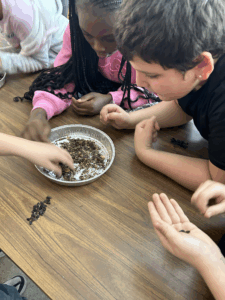 Indoor Learning That Starts with the Soil
Winter is the perfect time to slow down and dig deeper—literally. Students explore soil health, composting, seed saving, and food waste, learning how healthy soil supports everything that grows. Lessons help students understand how food scraps can become compost, how nutrients cycle back into the soil, and how small choices—like what happens in their cafeteria—connect to larger food systems across our region.
These conversations are framed positively and age-appropriately, helping students see themselves as part of the solution.
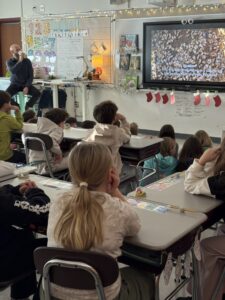 Virtual Field Trips: Bringing the Farm Inside
Even when fields are frozen, students still get farm-connected experiences through virtual field trips. These interactive lessons introduce students to:
-
Bees and pollination
-
Herbalism
-
Composting & Food Waste
- Regenerative Farming
- Seeds & Seed Saving
Students watch short films, learn new vocabulary, and engage in hands-on activities like exploring a demo beehive—no bees required. These lessons build science skills while keeping learning engaging and fun.
 Taste Tests: Learning Through the Senses
Winter is also prime time for taste tests, which help students connect learning to real food. This season, students experienced food as part of a full-circle learning journey—from seed to table:
-
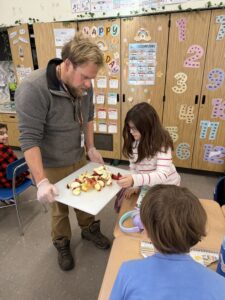
Participated in an apple taste test featuring apples from a local orchard, comparing texture, flavor, and variety.
-
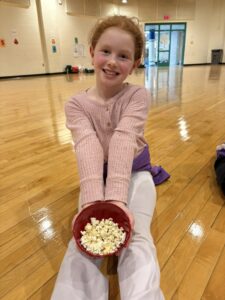
Enjoyed a popped corn taste test tied directly to seed-saving lessons—learning that popcorn kernels are seeds.
-
Seasoned popcorn with garlic grown in their school garden and coriander made from cilantro they had grown themselves, reinforcing the connection between growing, harvesting, and eating.
-
Students in all New Bedford schools participated in a three sisters stew taste test that reinforced lessons on the Wamponoag agricultural traditions of companion planting corn, beans, and squash and third graders even visited Plimoth Patuxet, connecting history, culture, and food in an immersive and experiential experience.
-
Sampled local raw honey while learning about bees, pollination, and their essential role in food systems.
By tasting what they learn about, students experience how food systems come full circle—building curiosity, confidence, and a deeper understanding of where food comes from.
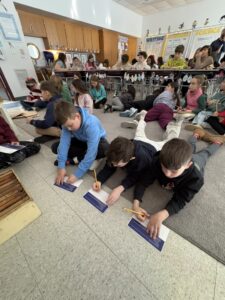 Growing Voices: Advocacy in Action
Food literacy also means understanding how systems—and policies—shape access to healthy food. This winter, students had opportunities to use their voices by sharing what they love about their farm-to-school experiences and why food literacy matters to them.
As state food literacy legislation moves through the review process in early February, these student voices are especially timely and important while lawmakers are reviewing bills specifically on farm-to-school and food literacy. By speaking directly with decision-makers and school leaders, students are learning that their experiences and perspectives matter—and that they can help shape a healthier future for their communities.
 Learning Through Winter, Growing Into Spring
Through indoor lessons, virtual field trips, taste tests, and advocacy, Grow Education keeps curiosity growing all winter long. When spring arrives and gardens wake up again, students return outside with deeper knowledge, stronger connections, and a clearer understanding of how food, land, and community are all connected.
Because in Grow Education, learning doesn’t pause for the season—it grows year-round.
About Grow Education Farm-to-School Program:
Grow Education is the Marion Institute’s farm-to-school program that partners with public schools to build school gardens, promote food literacy, and connect students to healthy, local food. By integrating hands-on learning with curriculum, Grow Education helps students understand where their food comes from, why it matters, and how it connects to their health, community, and environment. The program currently operates across all elementary schools in New Bedford (18), Westport (2), Wareham (1) Marion (1) Mattapoisett (1) and Rochester (1).
Related Posts