November 2025 Newsletter
As we move into this season of gratitude, we’re especially mindful of the tremendous local need our community is facing this month — we are deeply thankful for everyone who has stepped in to help.
From our volunteers harvesting in the fields to our partners coordinating emergency food resources, and our donors sustaining this vital work — your compassion and action has made all the difference.
Together, we’ve nurtured growth, strengthened community, and responded with care when it mattered most. From farm fields and school gardens to policy tables and family homes, the Marion Institute’s network continues to sow the seeds of health, equity, and connection across Southeastern MA.
Read on to see how your support is helping us meet the moment — and build a more resilient food system for the seasons ahead.

Farming and harvesting fresh produce to feed our neighbors in need
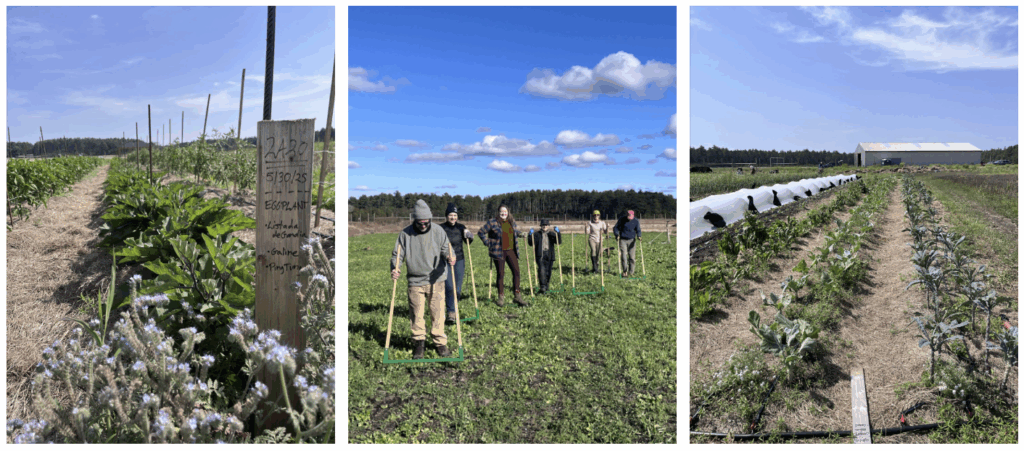
In just the past couple of weeks, Frogfoot Farm harvested and donated over 1,600 pounds of 14 varieties of fresh, local veggies! From spinach and kale to carrots, beets, and peppers — each crop represents healthy food grown with care and shared with our neighbors in need.
A huge thank-you to our incredible volunteers who showed up with heart, energy, and stories — you’re helping nourish our community from the ground up.
We Did It — The Harvest Hopper Is Fully Funded!
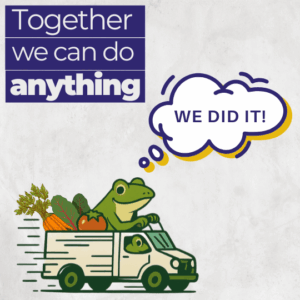
Thanks to your incredible generosity, we’ve officially reached our $75,000 goal in just under two months to purchase the “Harvest Hopper” — a zero-emission refrigerated van that will help us deliver fresh, local produce to food pantries across Southeastern Massachusetts.
This milestone shows what our community can achieve when we come together with purpose. Your donations, shares, and support made this possible — and because of you, more Southcoast families will have access to fresh, healthy, local food year-round.
From all of us at the Marion Institute — thank you for fueling this mission and helping the Harvest Hopper hit the road!

A coalition advancing regional food security through equity and sustainable systems
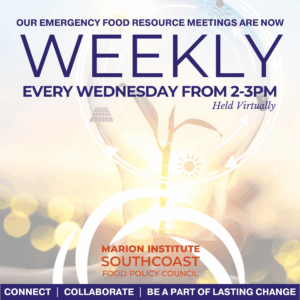
Emergency Food Resource Meetings Now Held Weekly
As we move into this season of gratitude, we’re especially mindful of the tremendous need our community has faced — and deeply thankful for everyone who has stepped up to help.
Earlier this month, the Southcoast Food Policy Council (SFPC) hosted a special Emergency Food Resource Meeting with Pat Baker of the Massachusetts Law Reform Institute, who shared vital updates on the SNAP crisis and its impact on families across Massachusetts. These conversations continue to guide our collective response and strengthen the partnerships that keep our regional food system resilient.
As we move from crisis response to long-term coordination, SFPC will now host Emergency Food Resource Meetings weekly — creating space for partners to share updates, align efforts, and develop lasting solutions together.

HARVESTING SURPLUS | SHARING ABUNDANCE | STRENGTHENING COMMUNITY
Harvesting surplus crops, feeding neighbors, and building community across Southeastern Massachusetts
Unbeetable Nutrition from the Southcoast
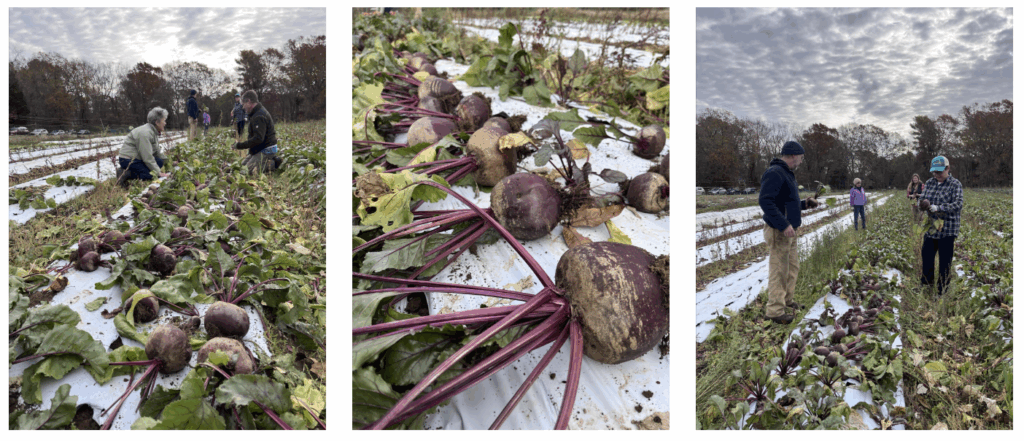
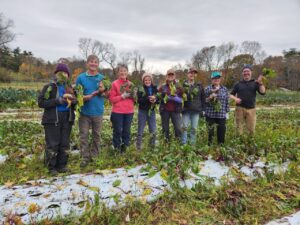
Our Fields to Families program has harvested and donated 636 pounds of produce — including 10 unique vegetable varieties — through our partnership with Skinny Dip Farm in Westport. We also gleaned more than 4,000 pounds (2 tons!) of beets from our partners at Heart Beets Farm in Berkley, MA.
A huge thank you to our incredible volunteers who showed up this month to harvest alongside our regional farm partners. Your hands and hearts helped get fresh, local food to neighbors who need it most.
Did you know?
Beets grown in Southeastern Massachusetts thrive in the region’s rich, sandy loam soil, which drains well and warms quickly — ideal conditions for sweet, tender roots. Many Southcoast farms, from Westport to Wareham, grow vibrant red and golden beet varieties.
Fun Beet Facts:
- Beets are naturally sweet — they were once used to make sugar before cane sugar became popular!
- Their deep red color comes from betalains, powerful antioxidants that help fight inflammation.
- Beets can boost your energy — their nitrates improve blood flow and oxygen delivery, making them a natural pre-workout food.
- You can eat the entire plant — beet greens are packed with vitamins A and K (even more than spinach!).
- Beets have been grown for over 4,000 years, making them one of the world’s oldest cultivated crops.

Farm-to-school program promoting health, sustainability, equity, and ecological literacy

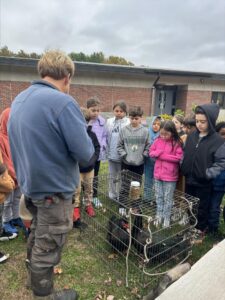
What’s Growin’ On!
Fall in the garden means soil, seeds, and lots of learning! Across 24 Grow Education schools, students harvested potatoes, planted garlic, sowed cover crop, and learned how healthy soil supports healthy communities. This summer we harvested 1,763 pounds of produce — shared with students, summer programs, and local food pantries.
Big thanks to our local partners — Coast of Maine Organic Soil, Ace Hardware in Dartmouth, and Aubuchon Ace in Wareham — for helping our school gardens thrive all year long!



Craft a meaningful legacy through the Marion Institute’s Legacy Society with planned gifts, impacting our mission in perpetuity.
If you’ve designated a planned gift, or have questions about our Legacy Society, please reach out at legacy@marioninstitute.org or 508-748-0816, ext. 118.
Related Posts