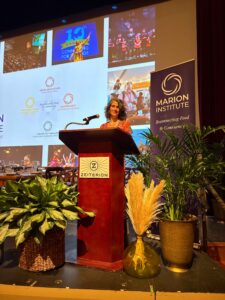
 A Note from Liz Wiley,
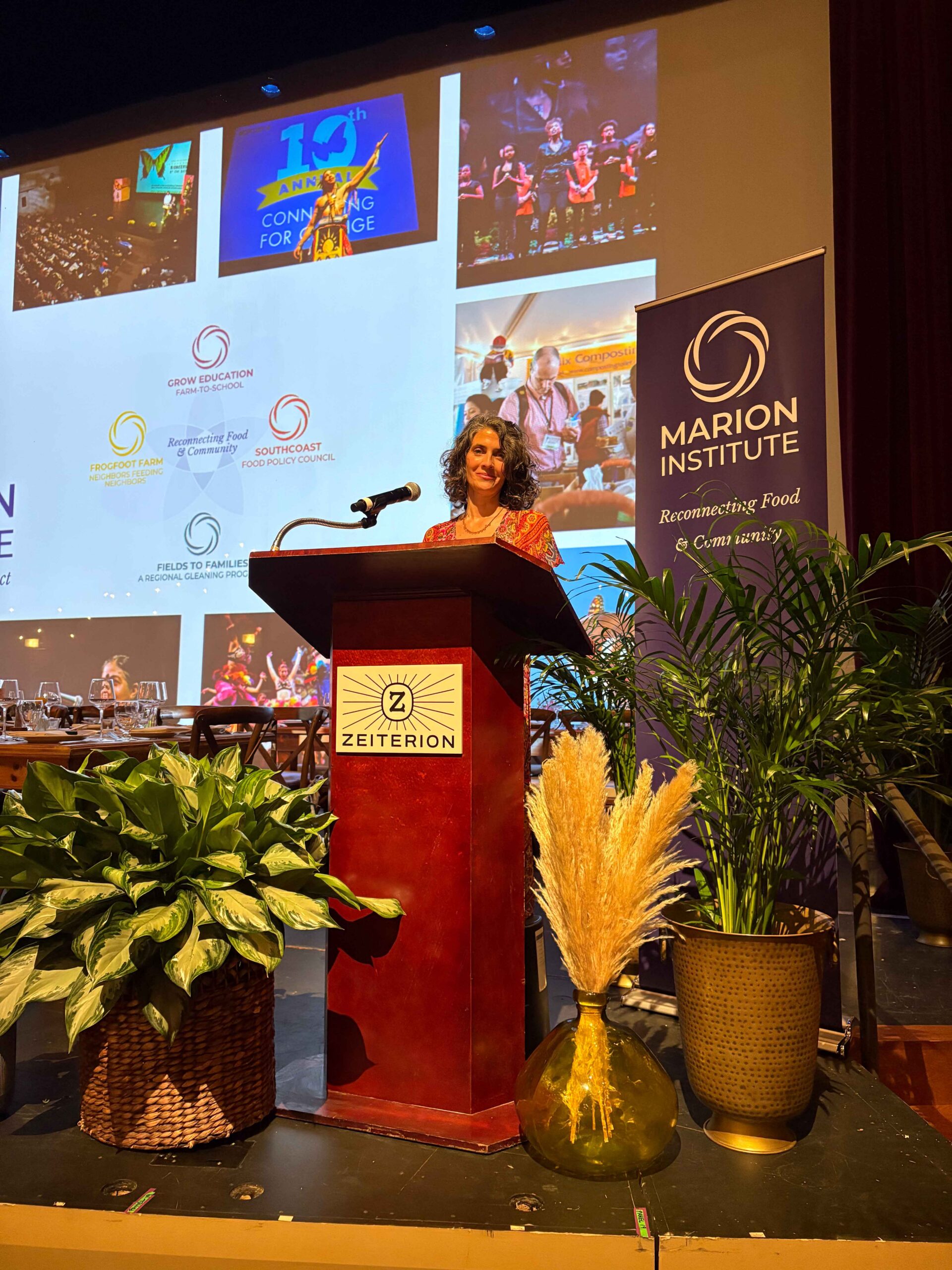
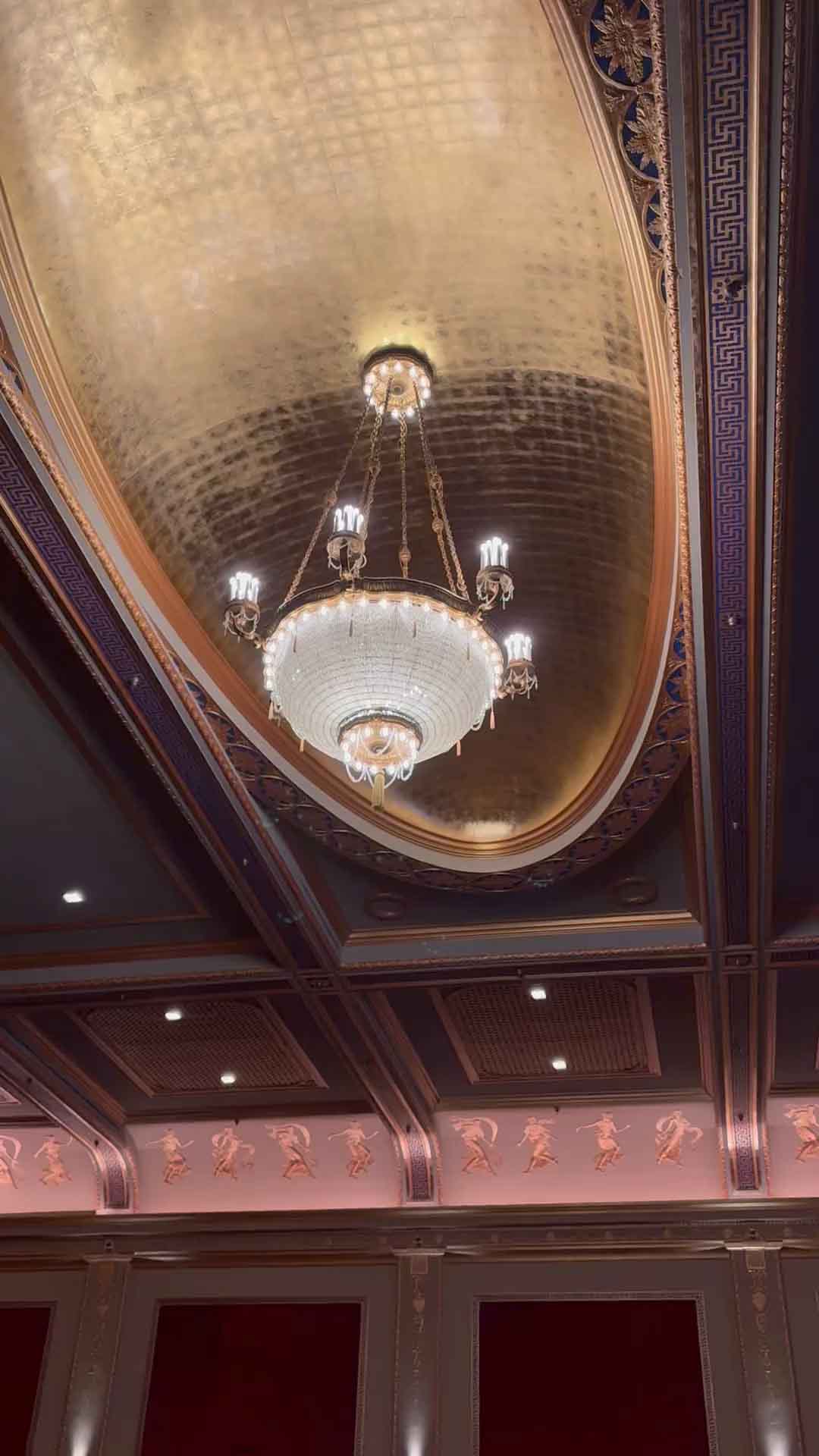
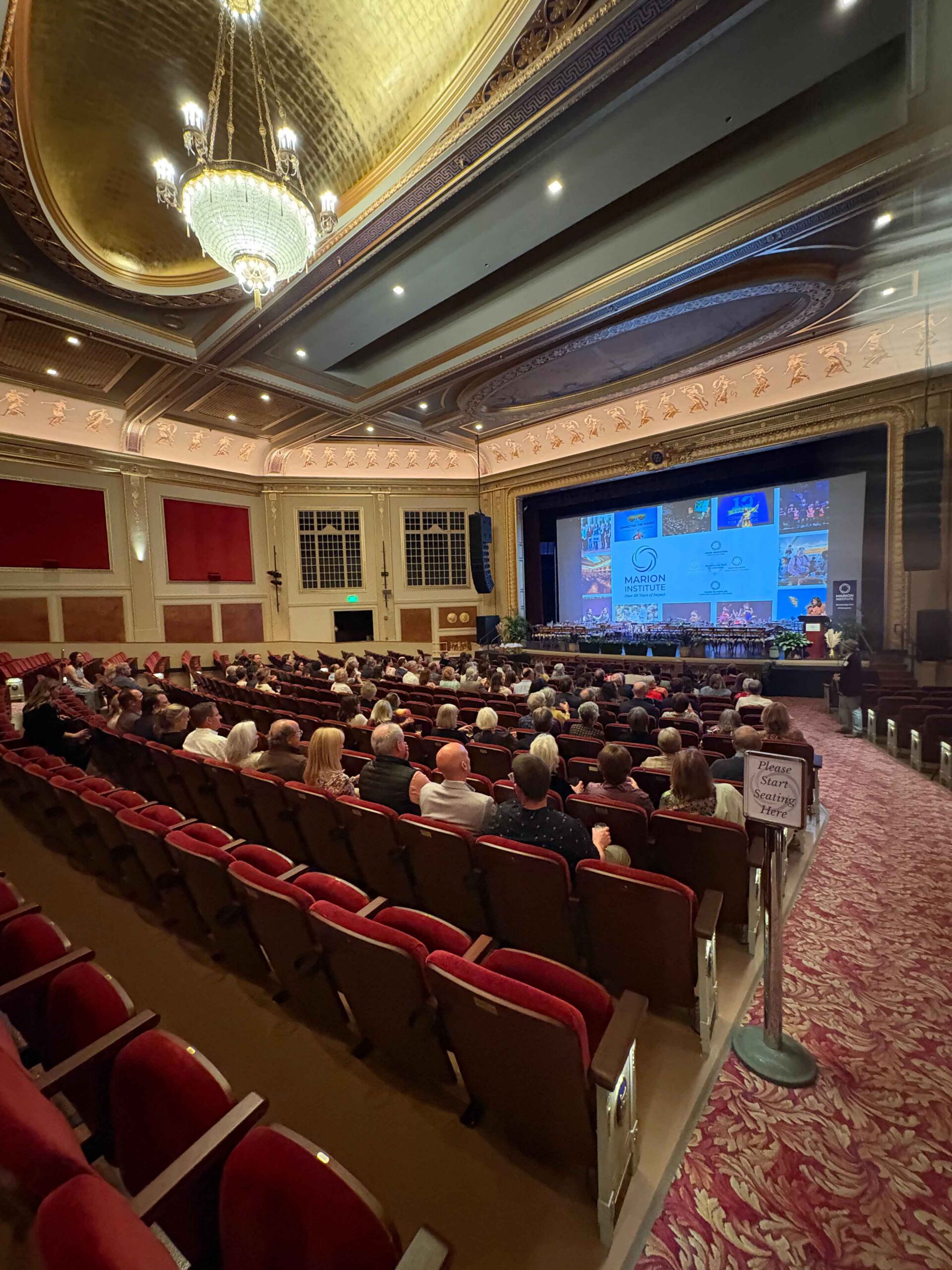
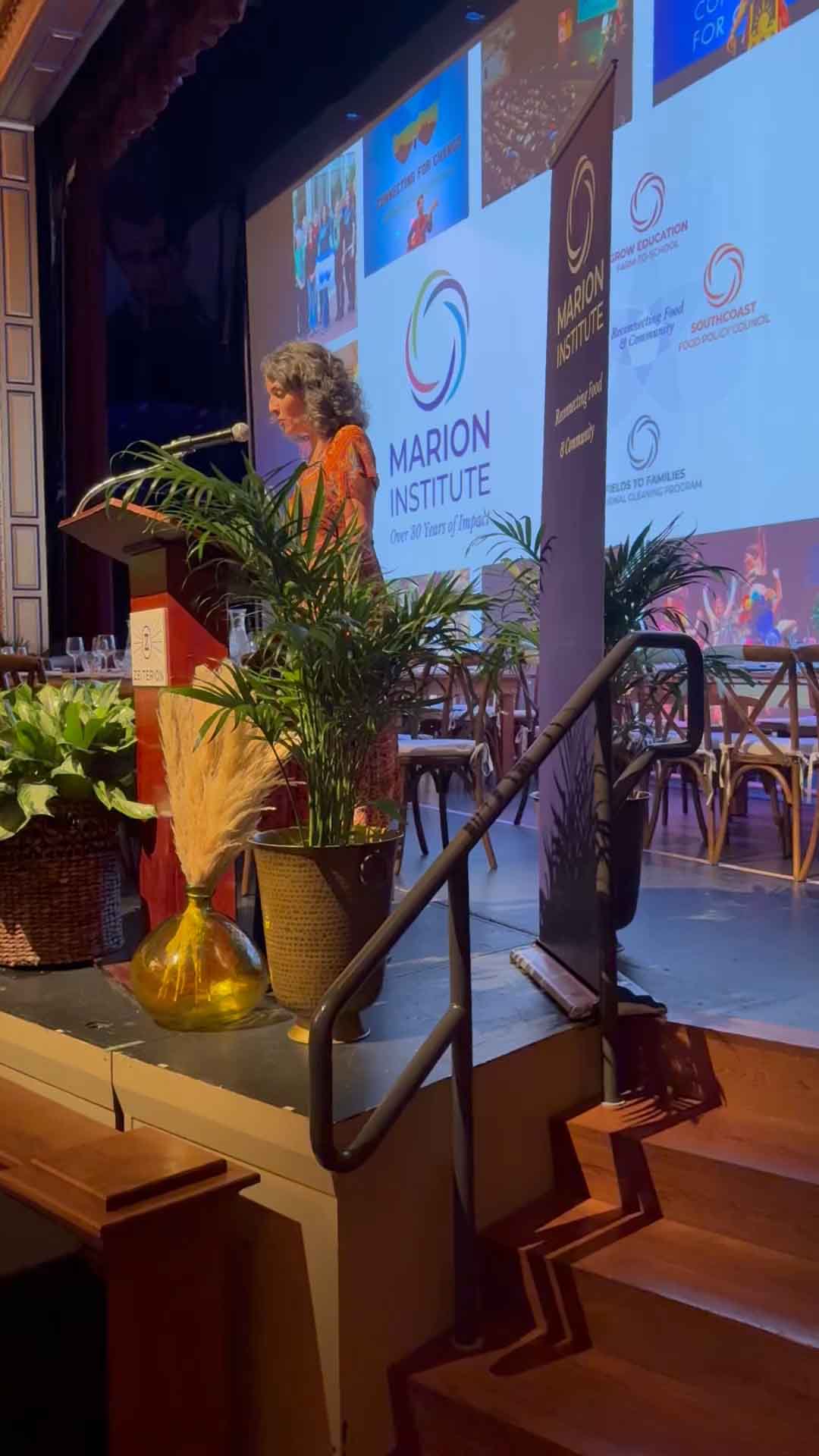
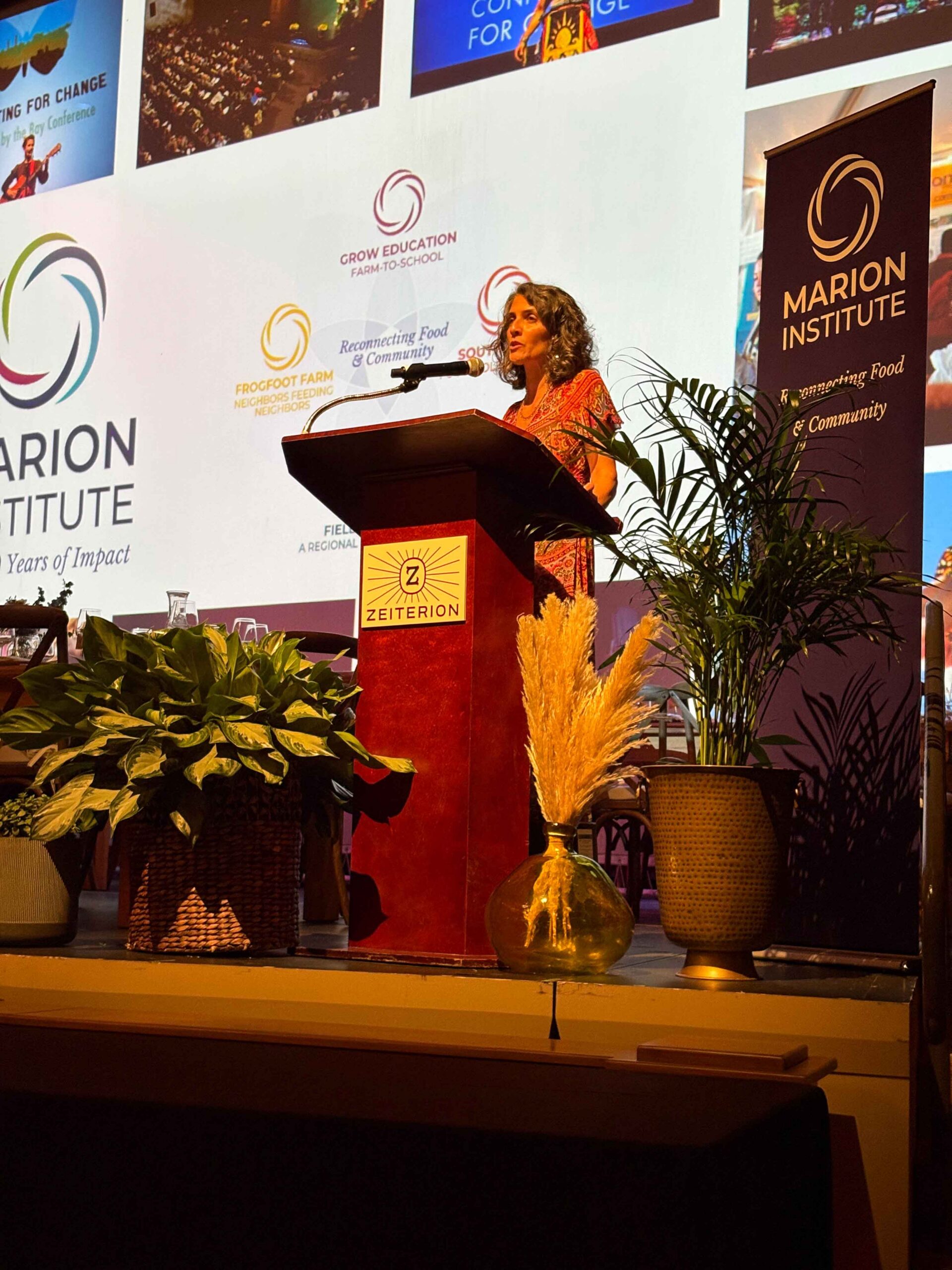
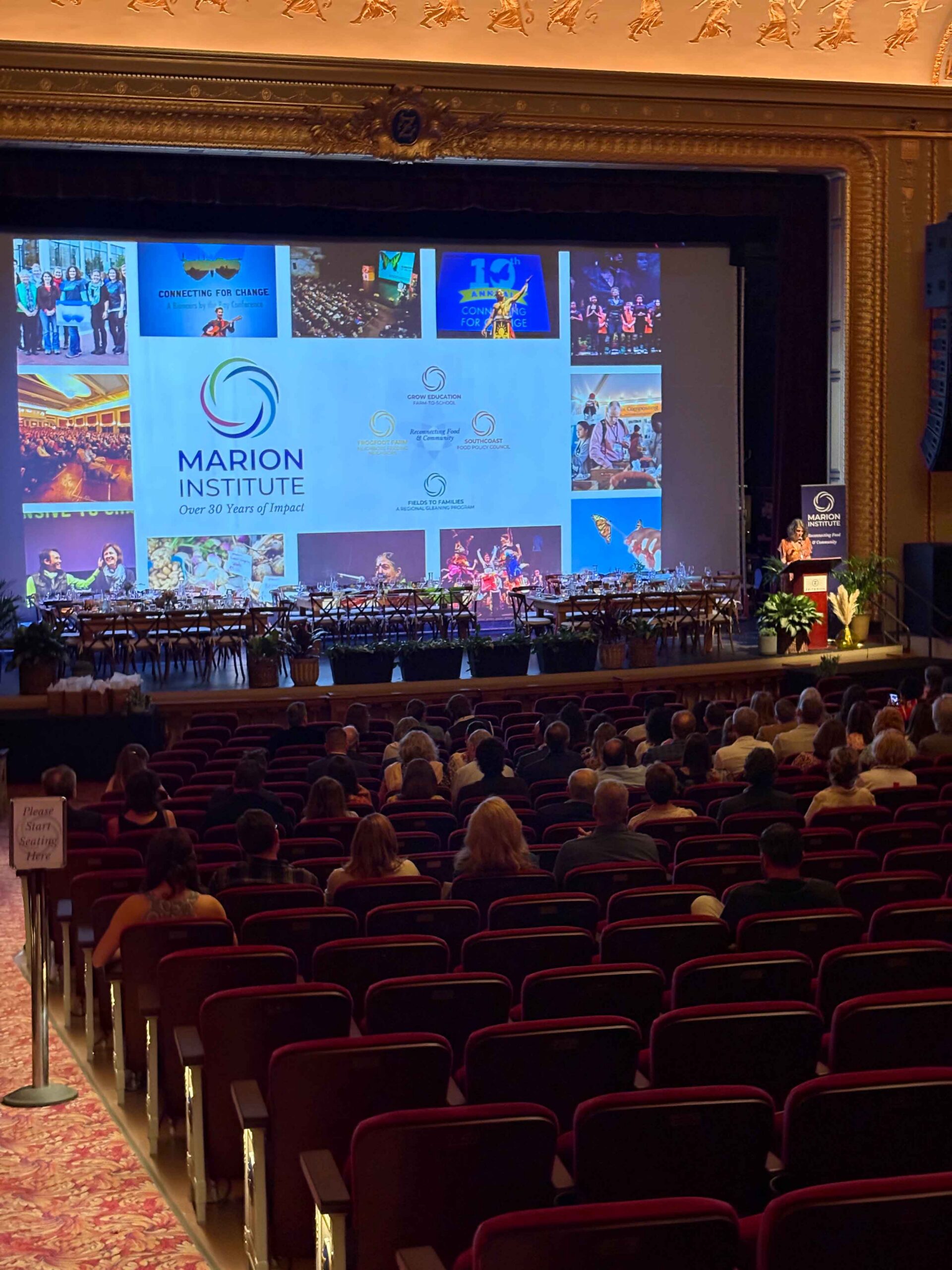
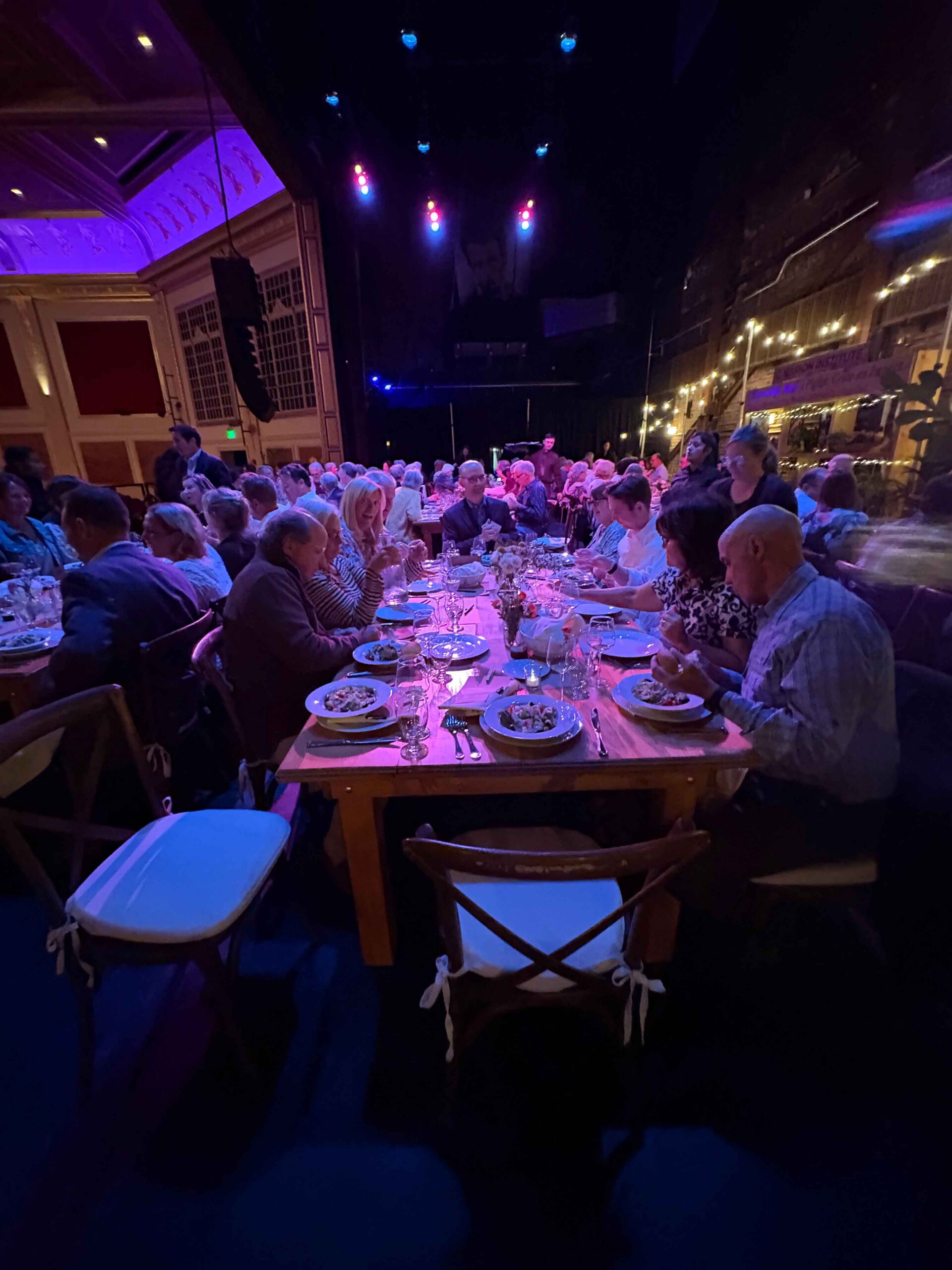
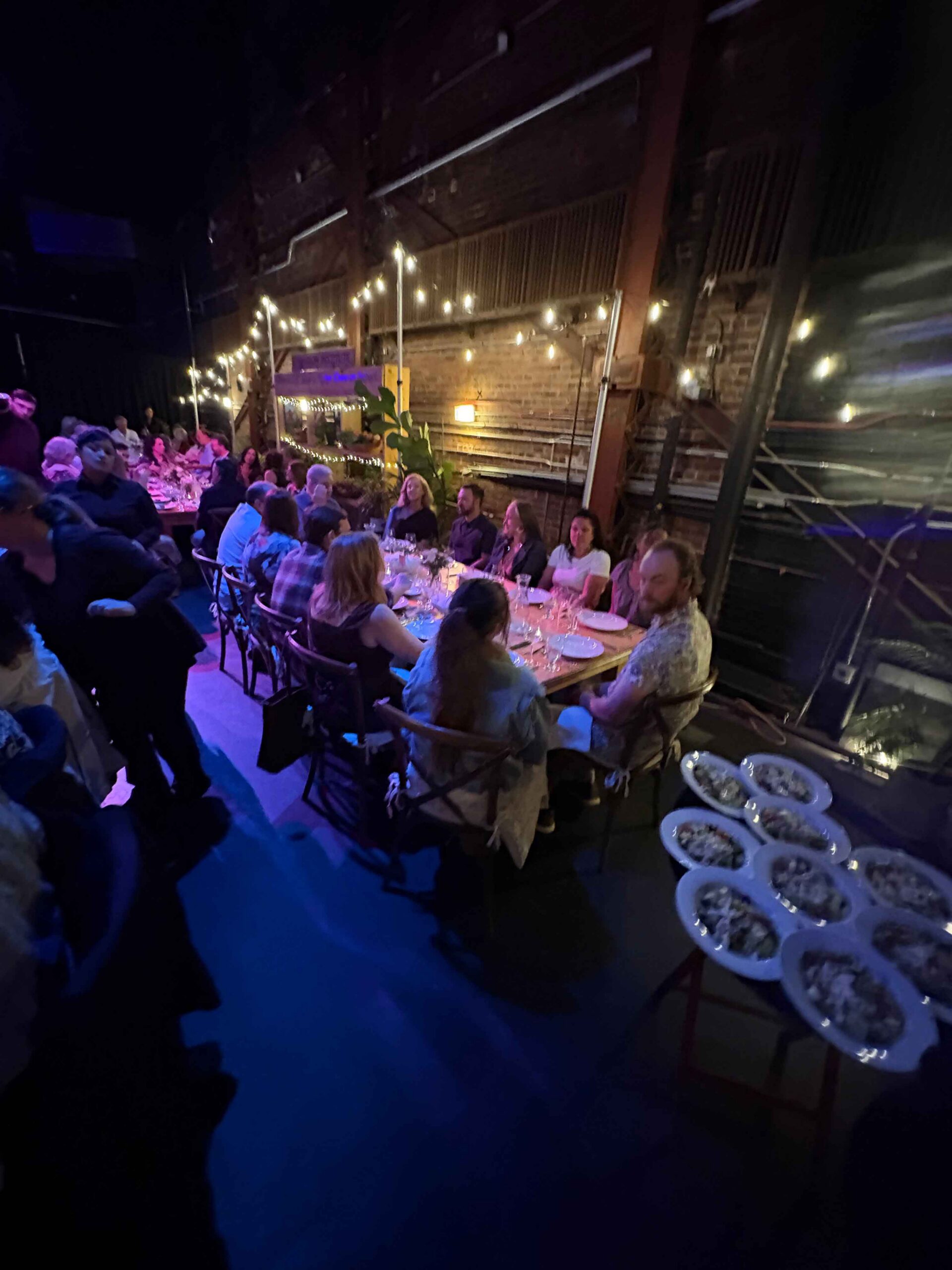
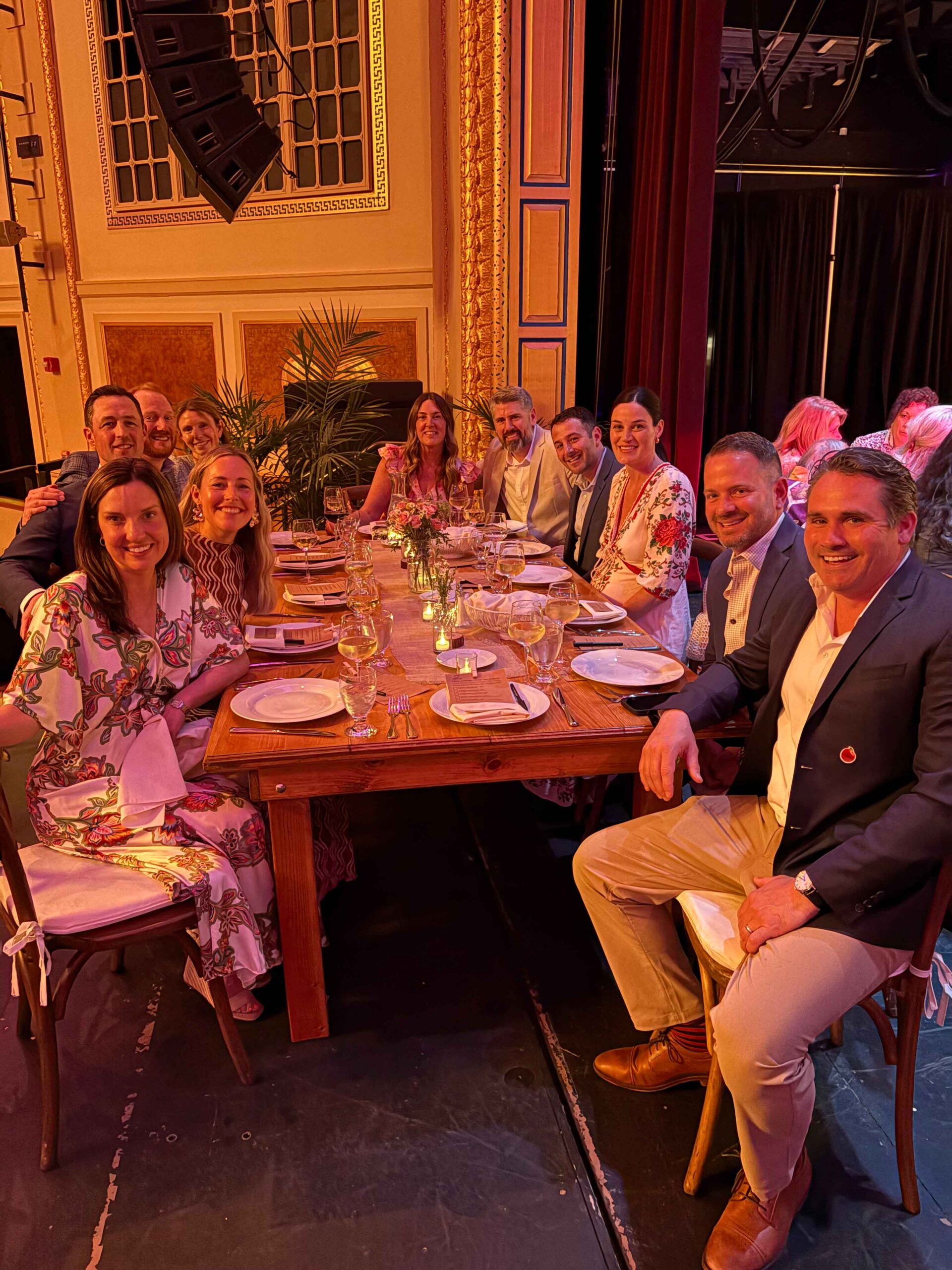
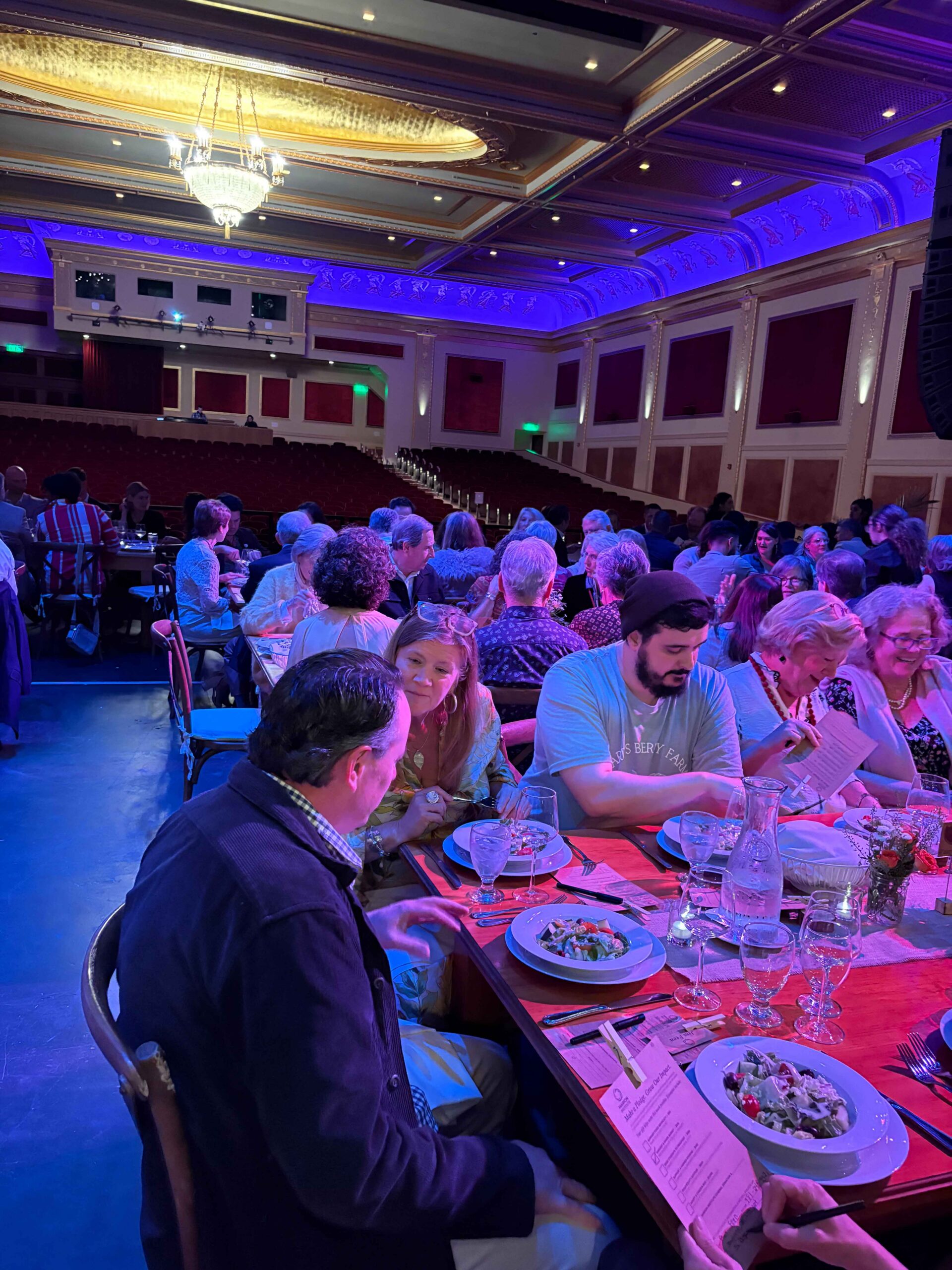
I’ve been thinking a lot about Saturday night—what it felt like to stand on the stage of the iconic Zeiterion Theater and look out at a room full of people who care so deeply about this work.
As I shared that evening, this wasn’t about bringing someone else’s story to the stage—it was about sharing our story… and inviting you into where it goes next.
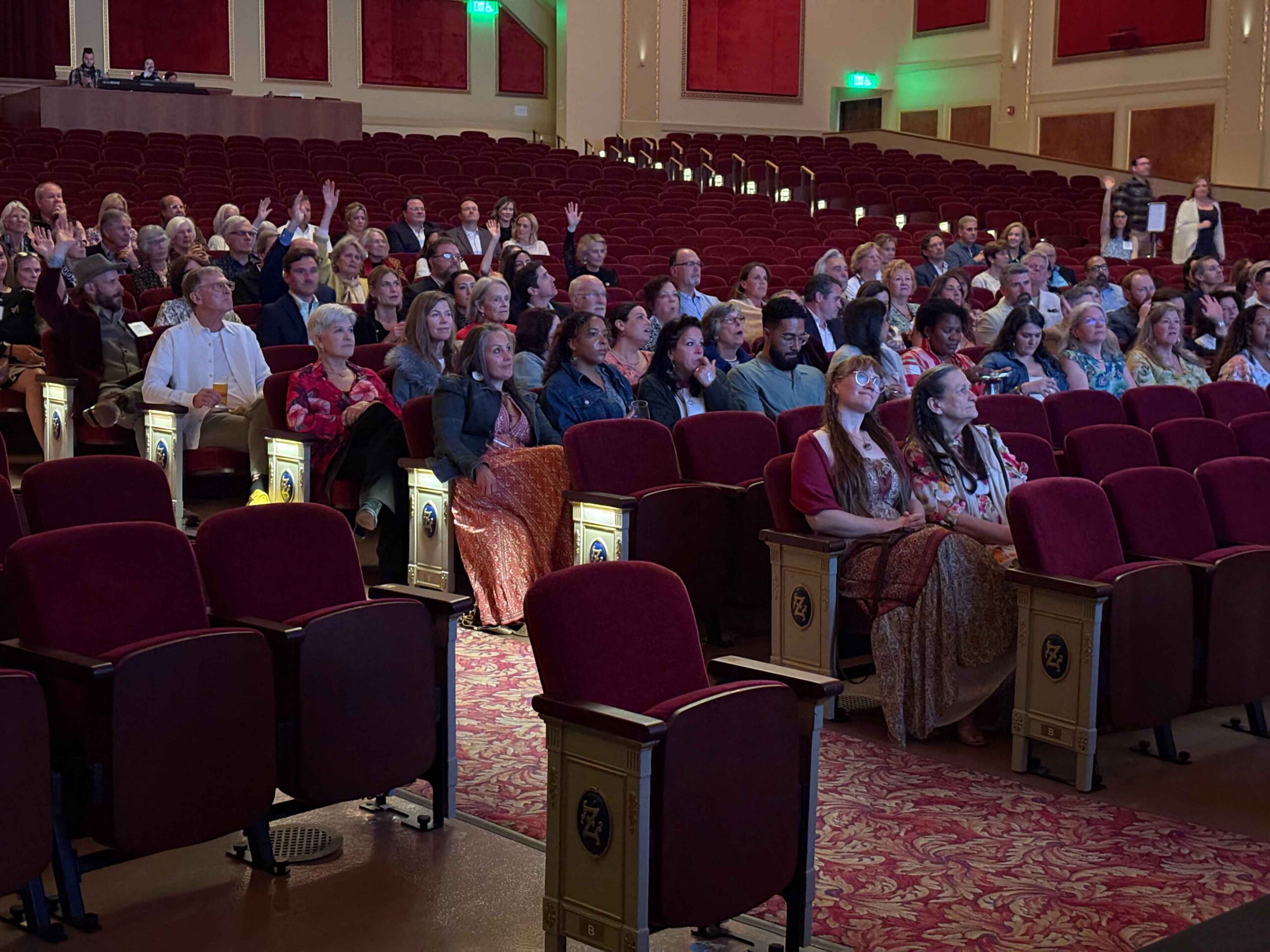
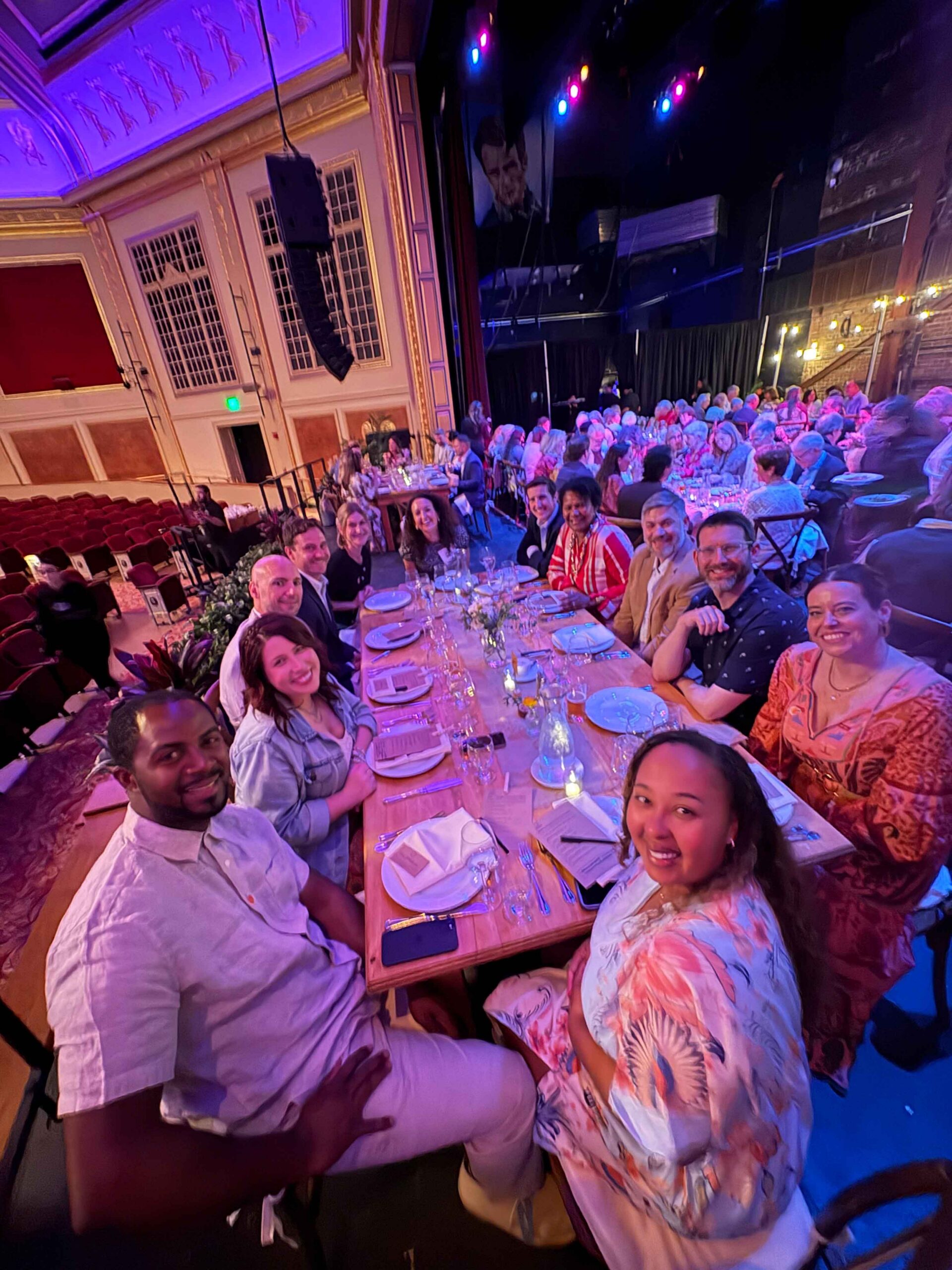
What stayed with me most was the sense of connection—across conversations, across tables, across the entire room. It was a powerful reminder that this work—reconnecting food and community—only moves forward because of people like you.
And it’s work that matters—deeply.
Across our region, more than 1,800 small farms and a vibrant fishing industry help define our local food landscape—yet too often, that food struggles to reach our communities due to gaps in infrastructure.
At the same time, we’re making meaningful progress. Each year, we reach more than 2,000 students through Grow Education, harvest over 121,000 servings of fresh produce for local food pantries through our Frogfoot Farm and Fields to Families programs, and—through the Southcoast Food Policy Council—we bring together farmers, advocates, and community leaders to advance solutions that strengthen our regional food system.
This is the work you are helping to grow—piece by piece, partnership by partnership.
Thank you for being part of our story.
Liz Wiley
Executive Director
FarmCoast Documentary Teaser
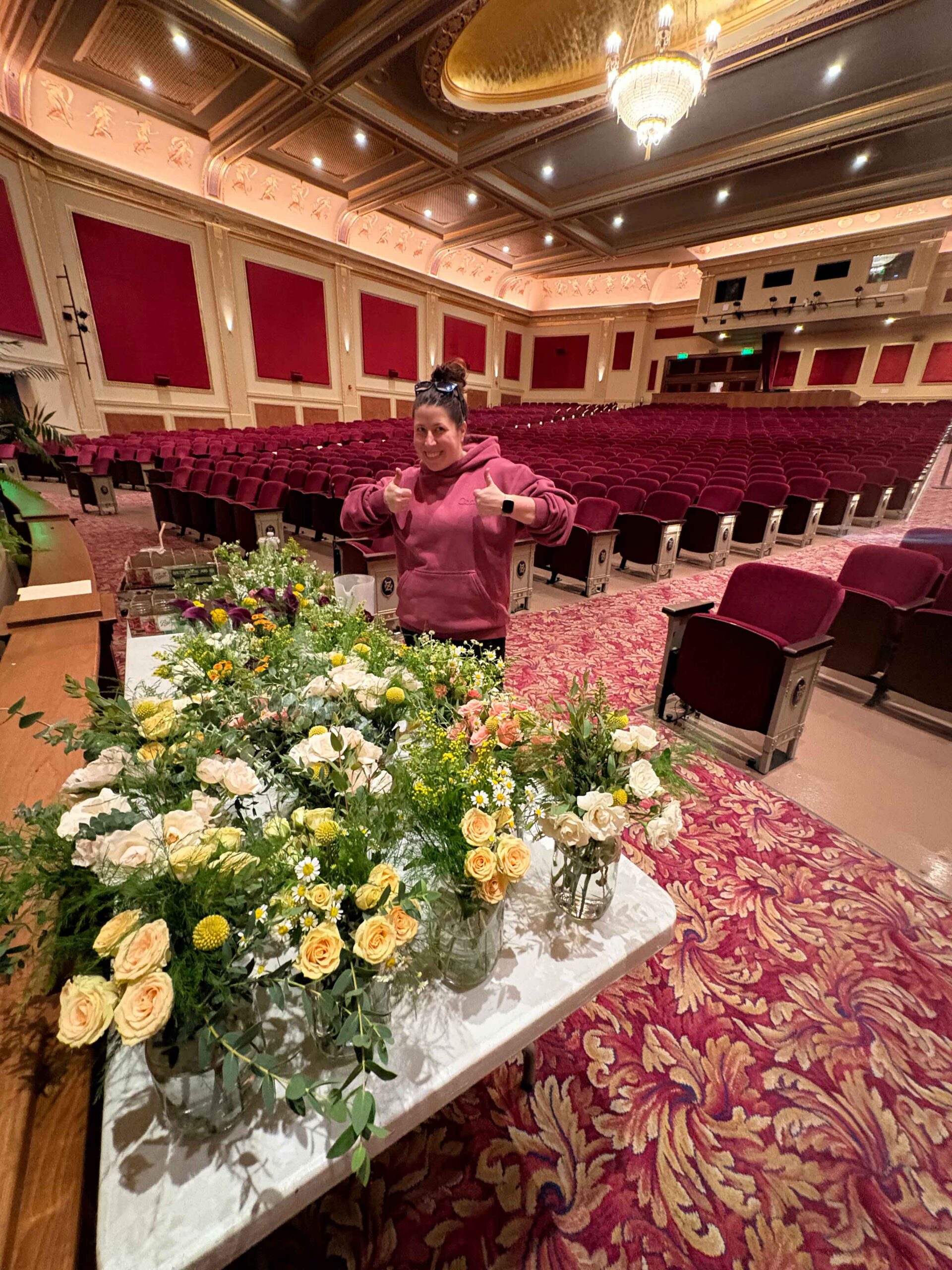
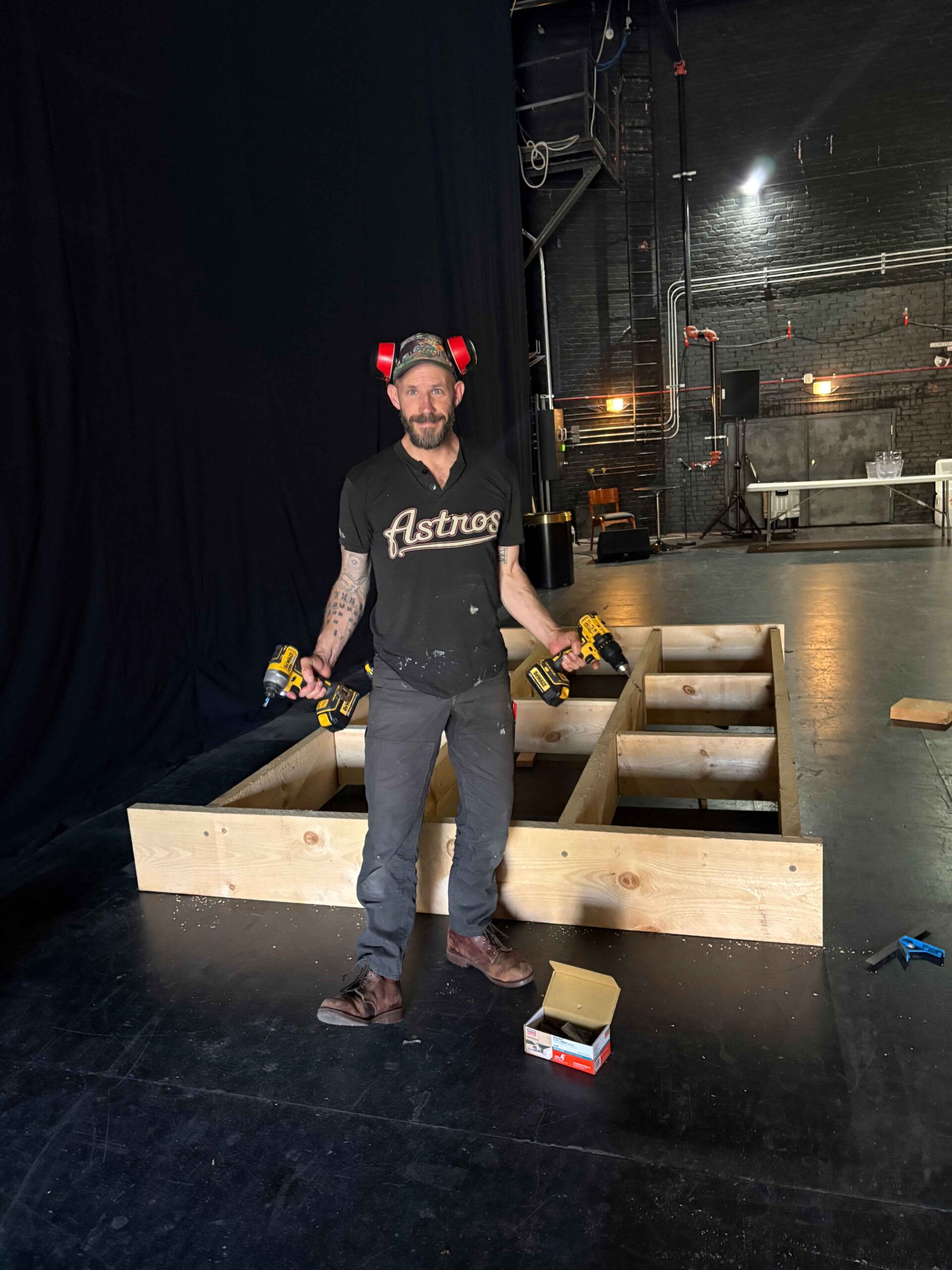
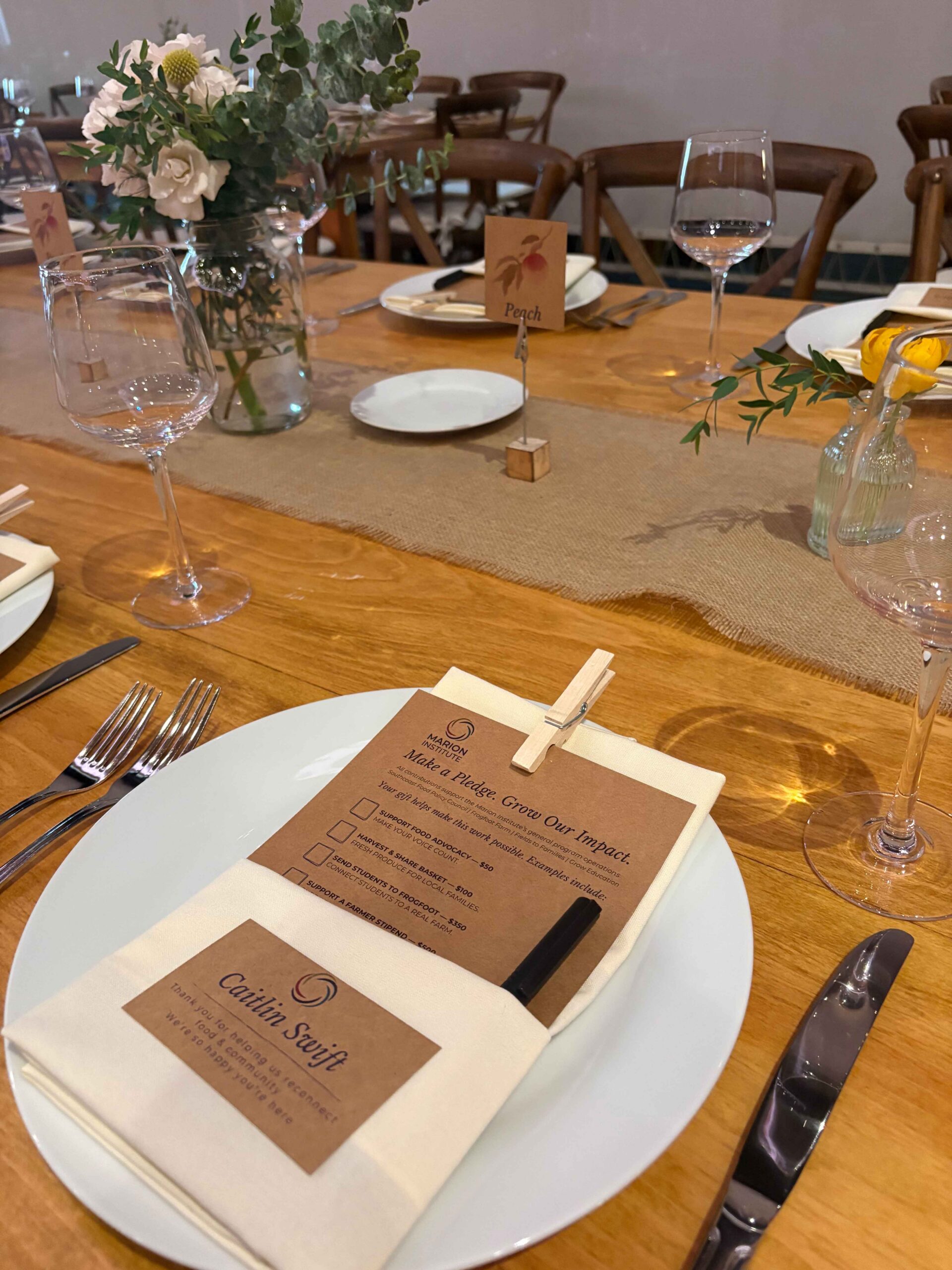
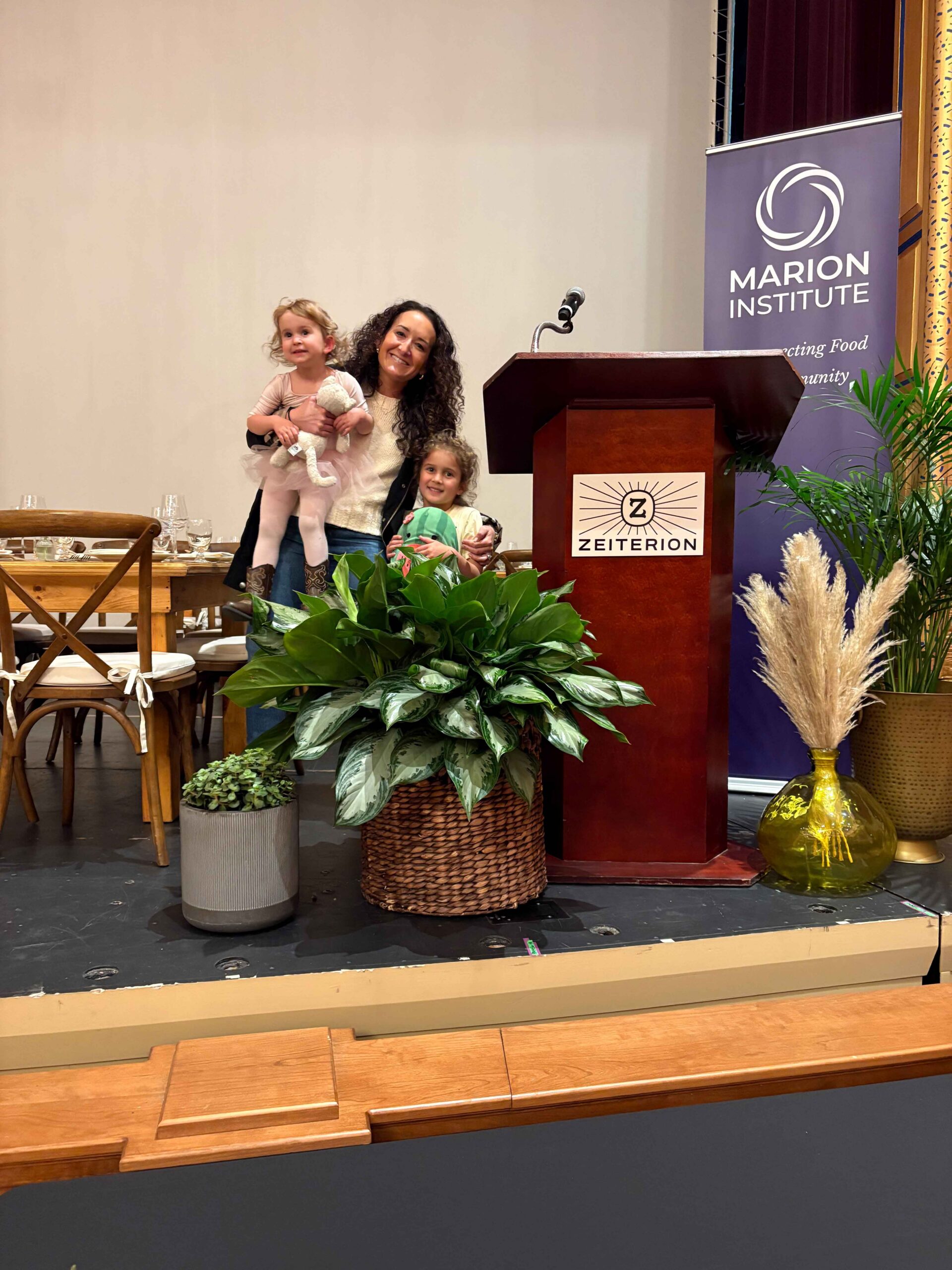
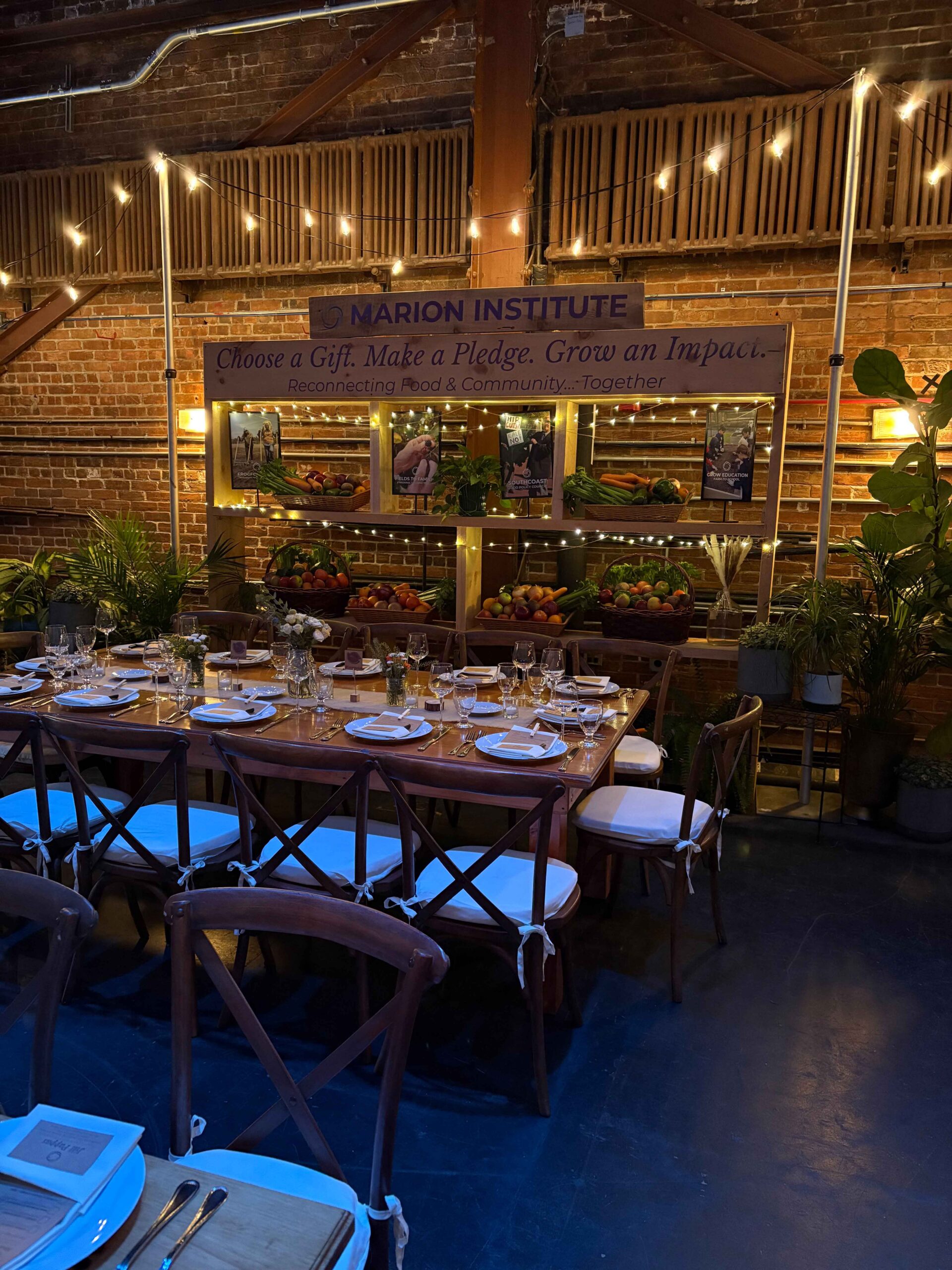
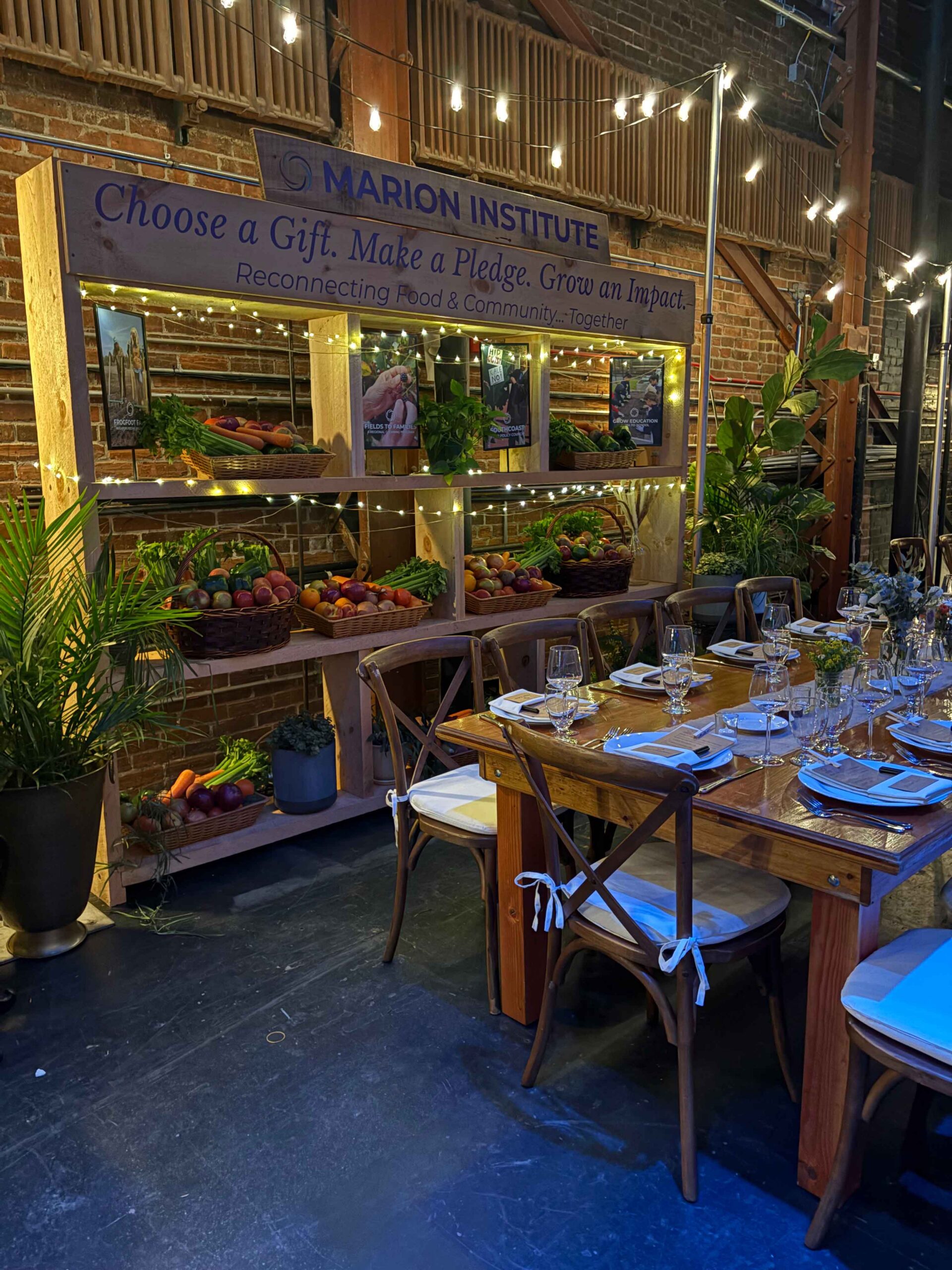
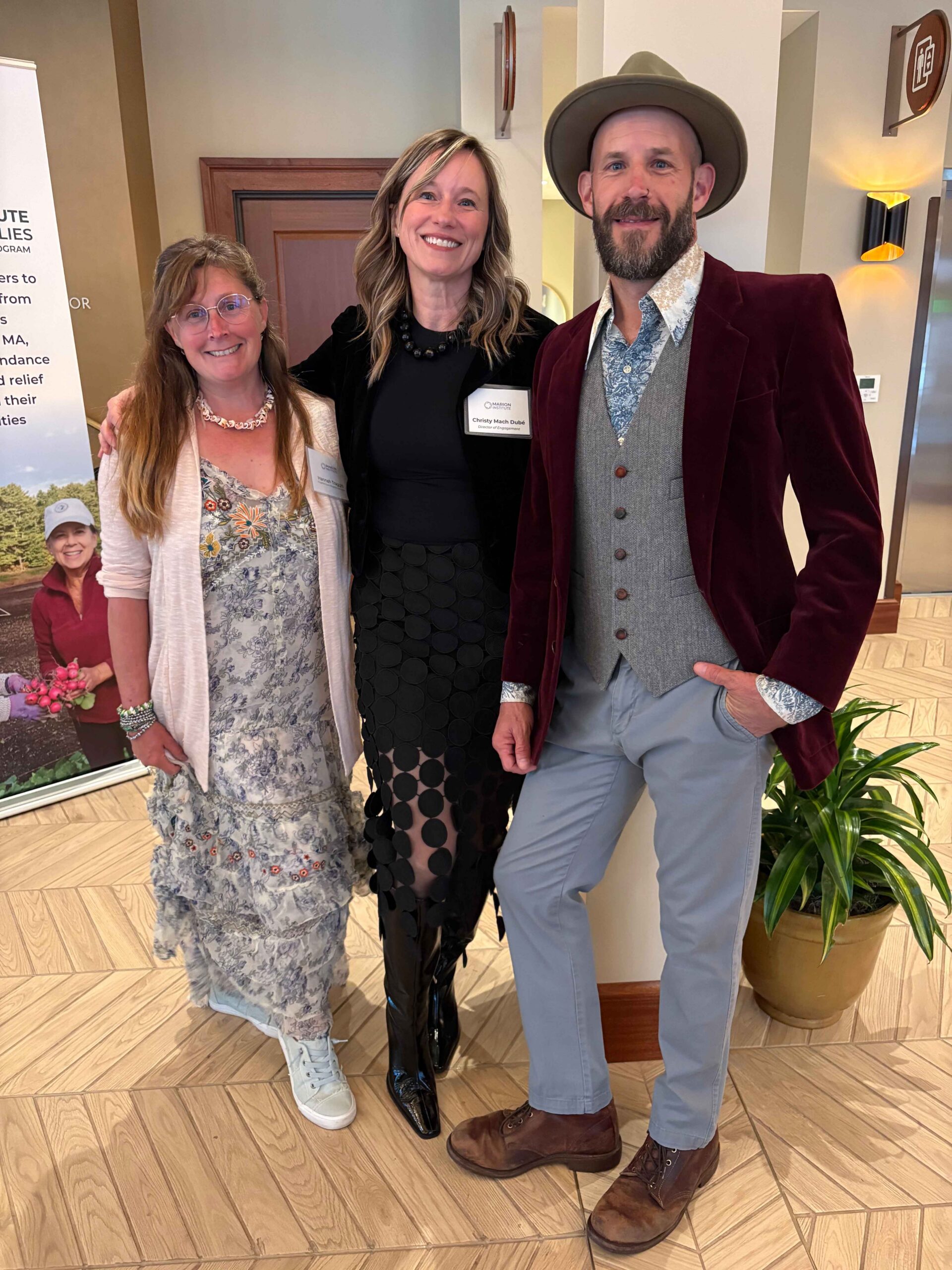
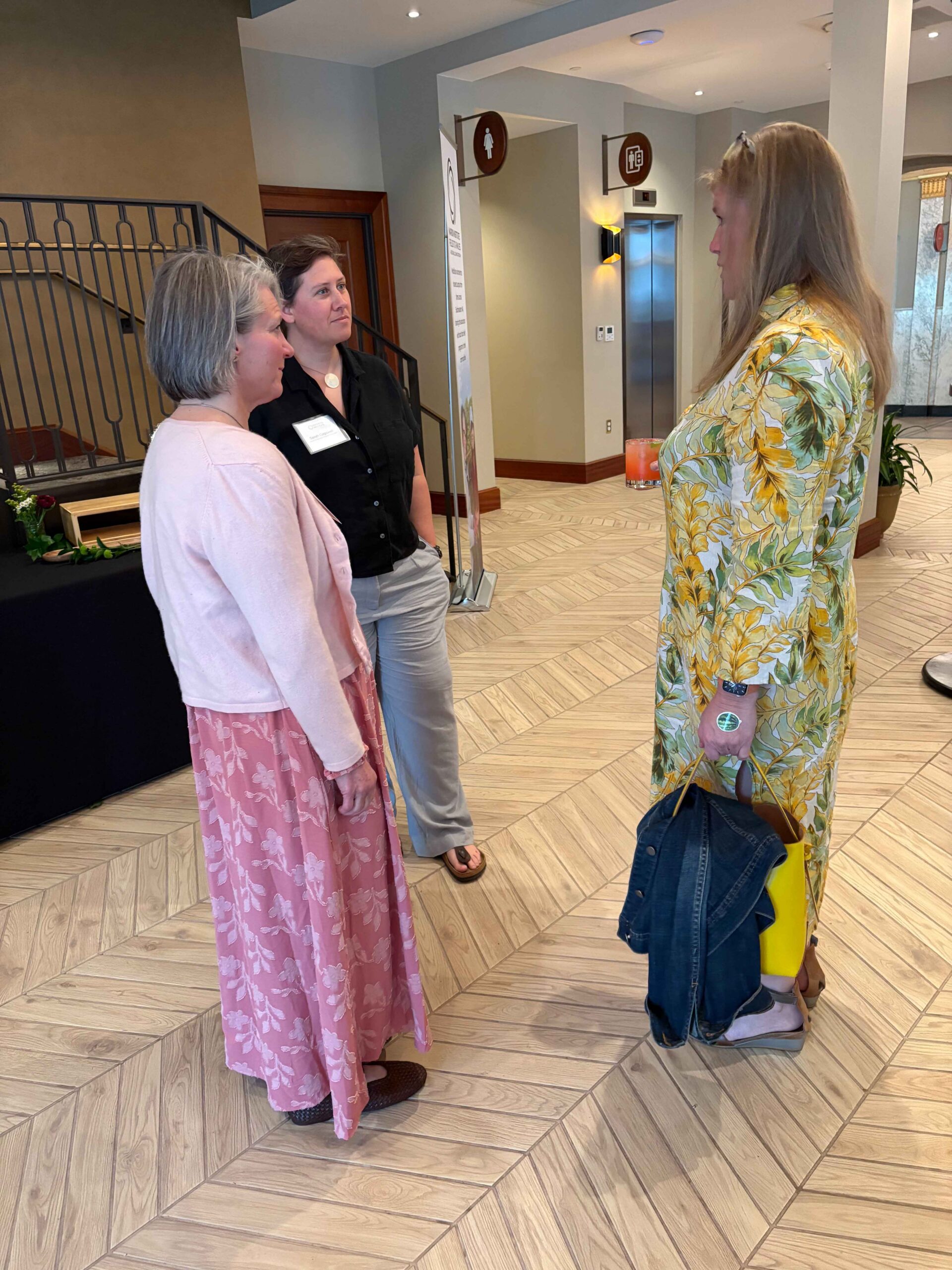
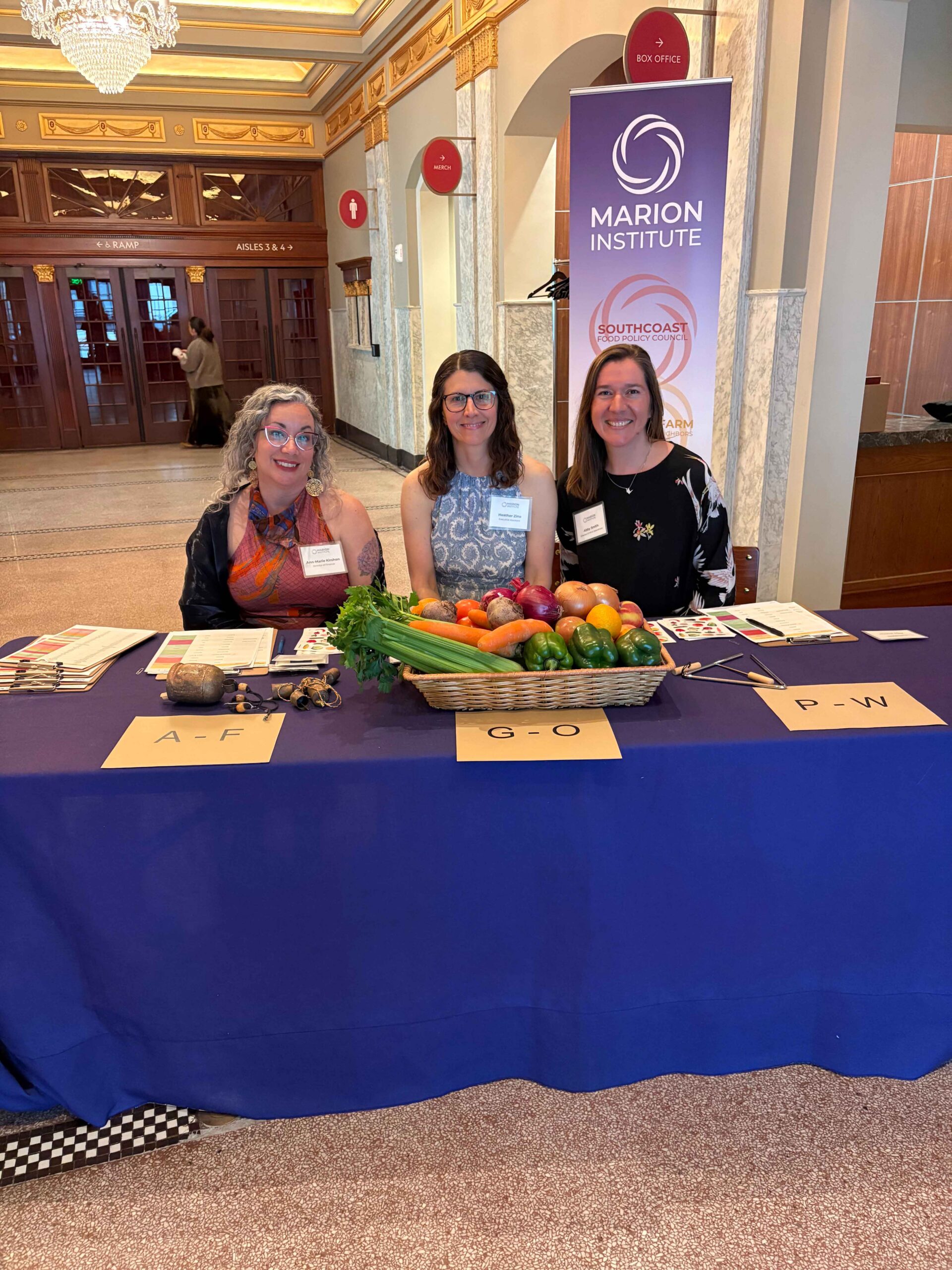
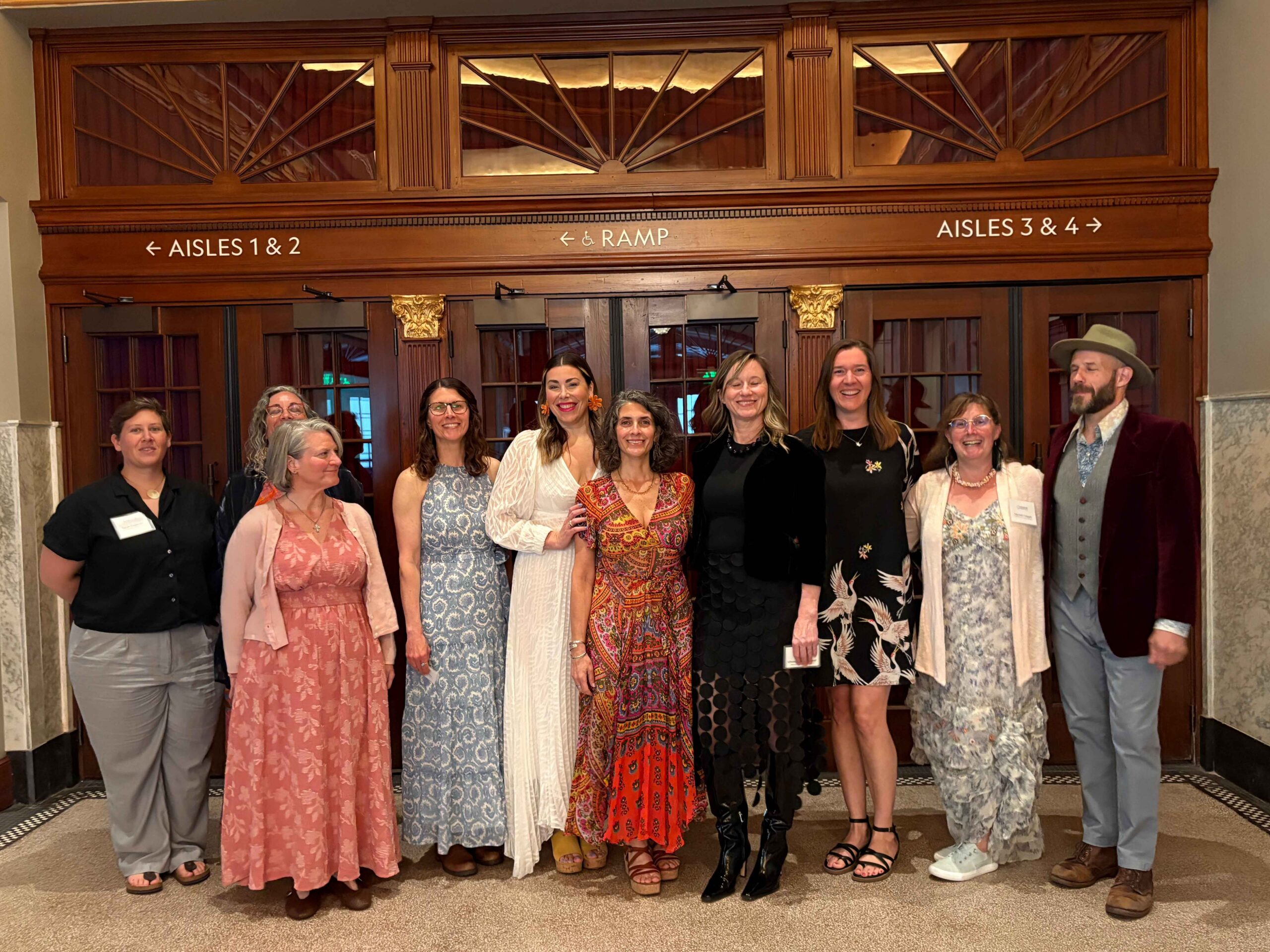
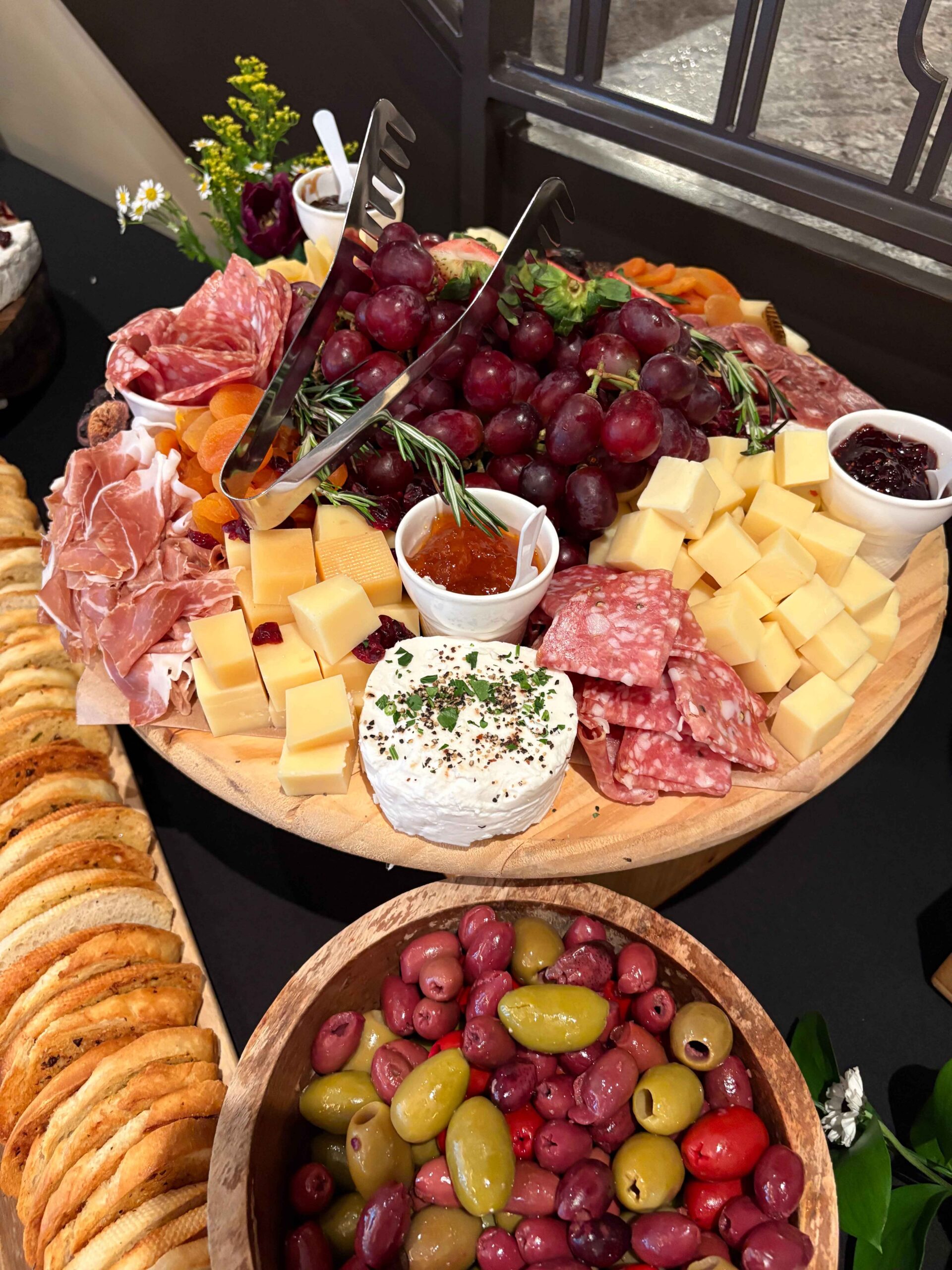
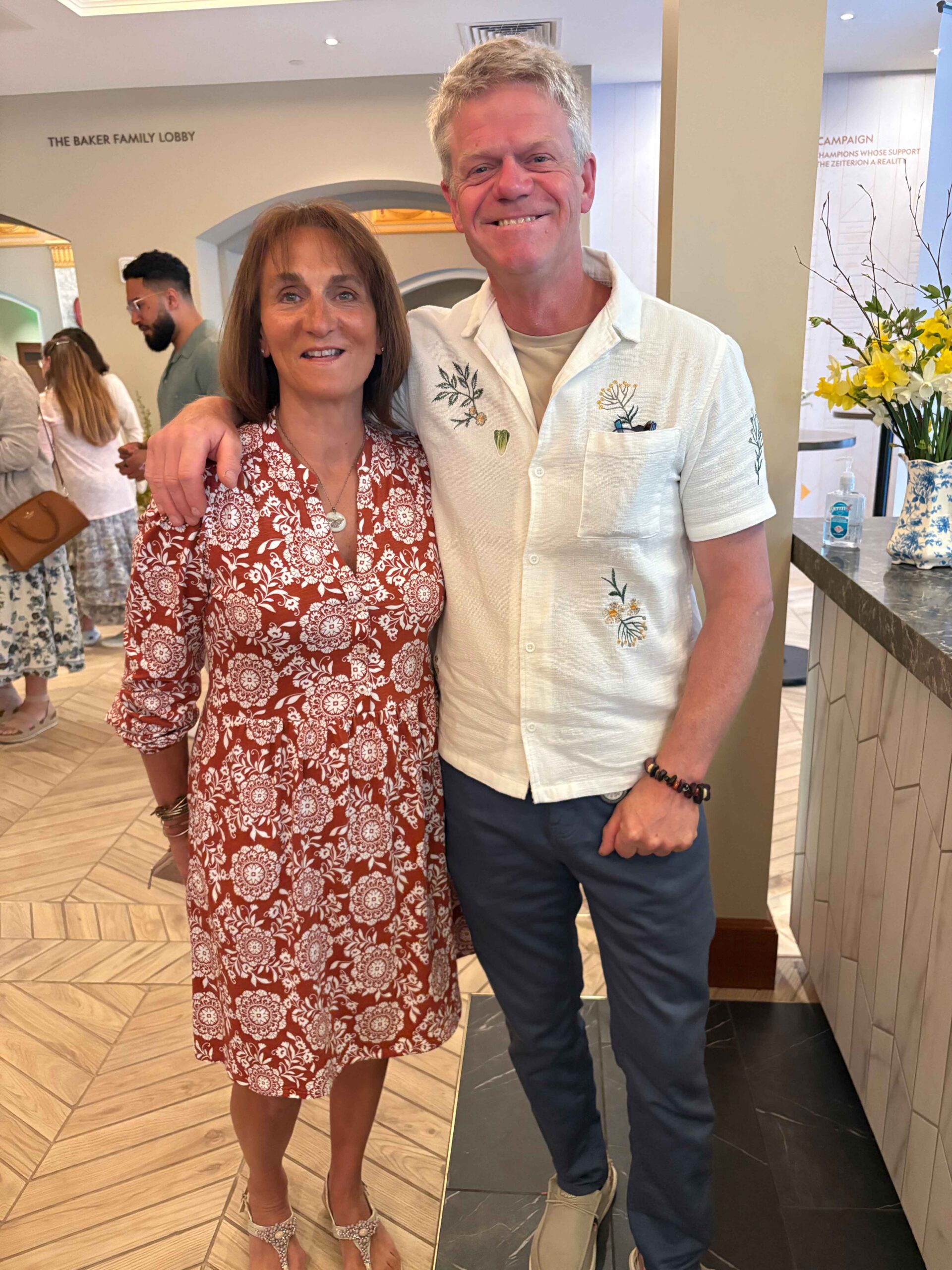
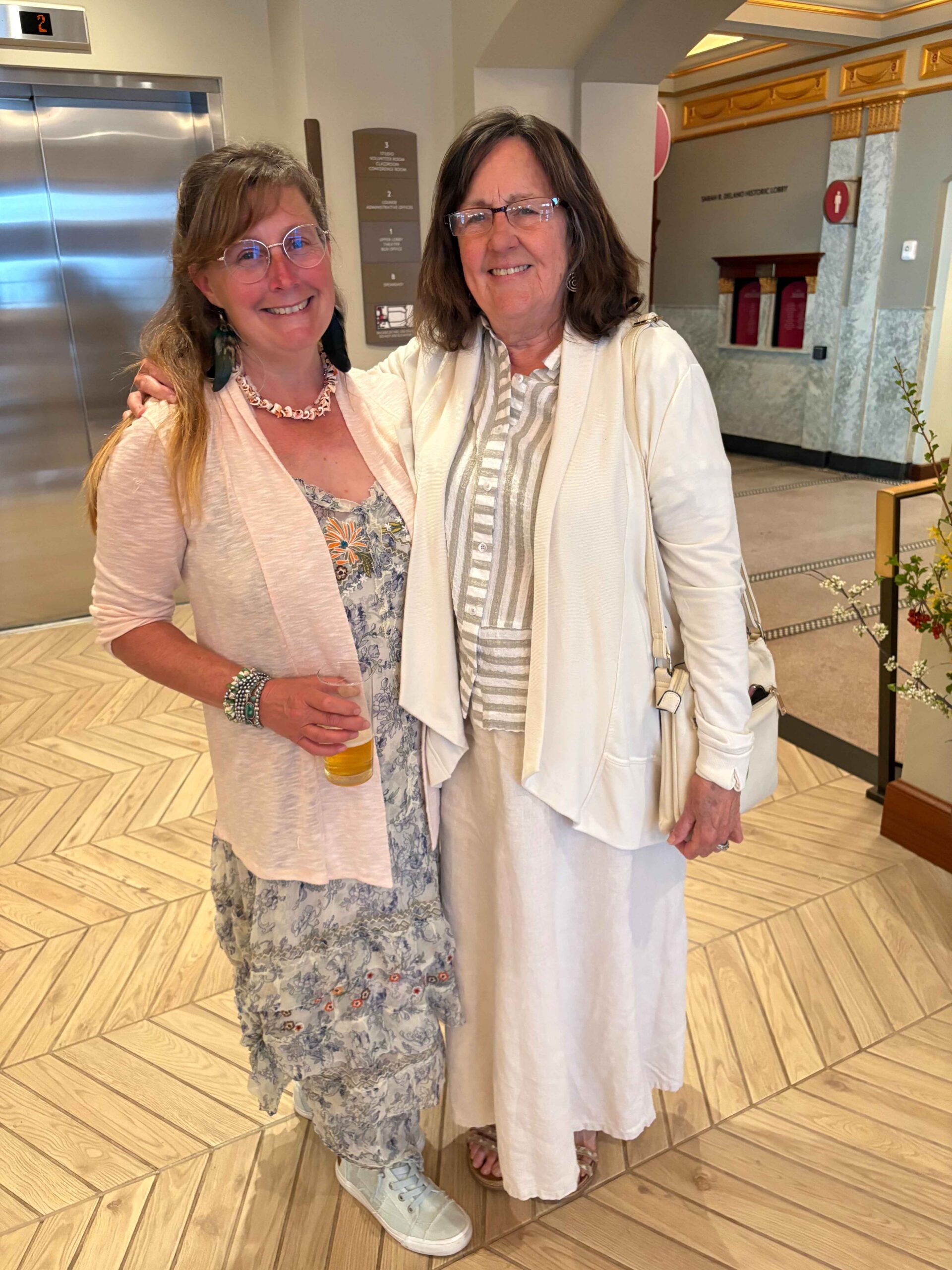
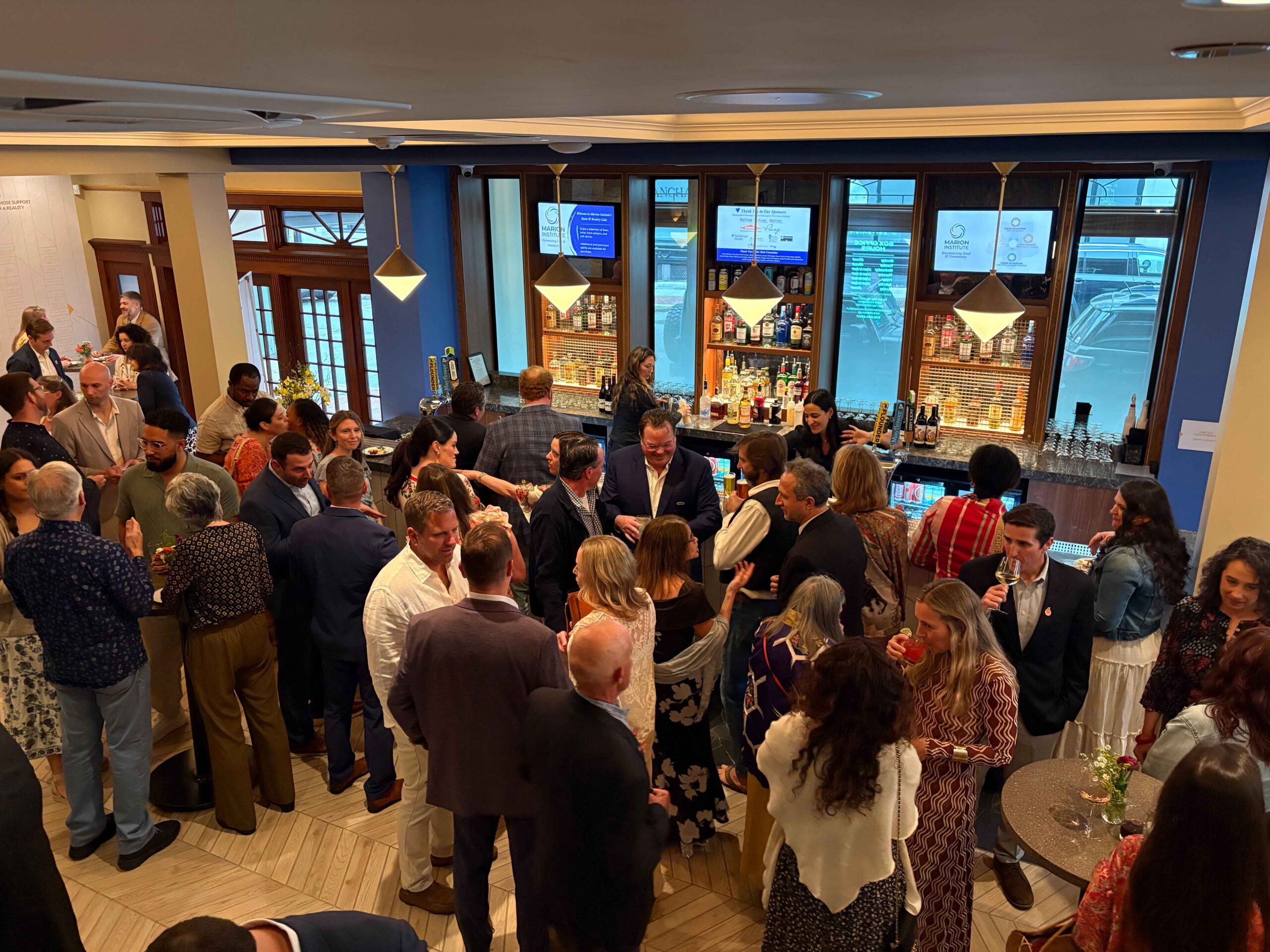
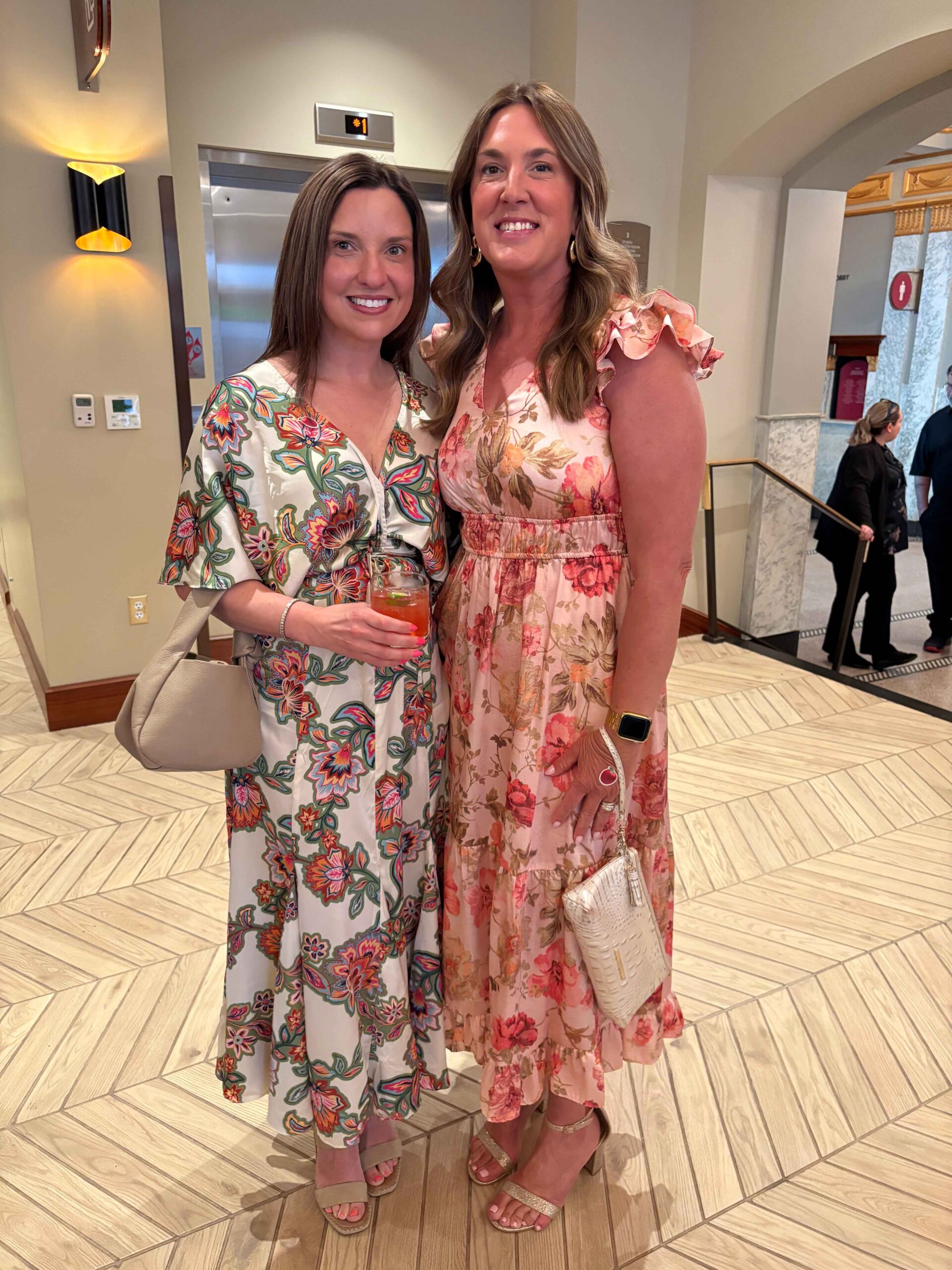
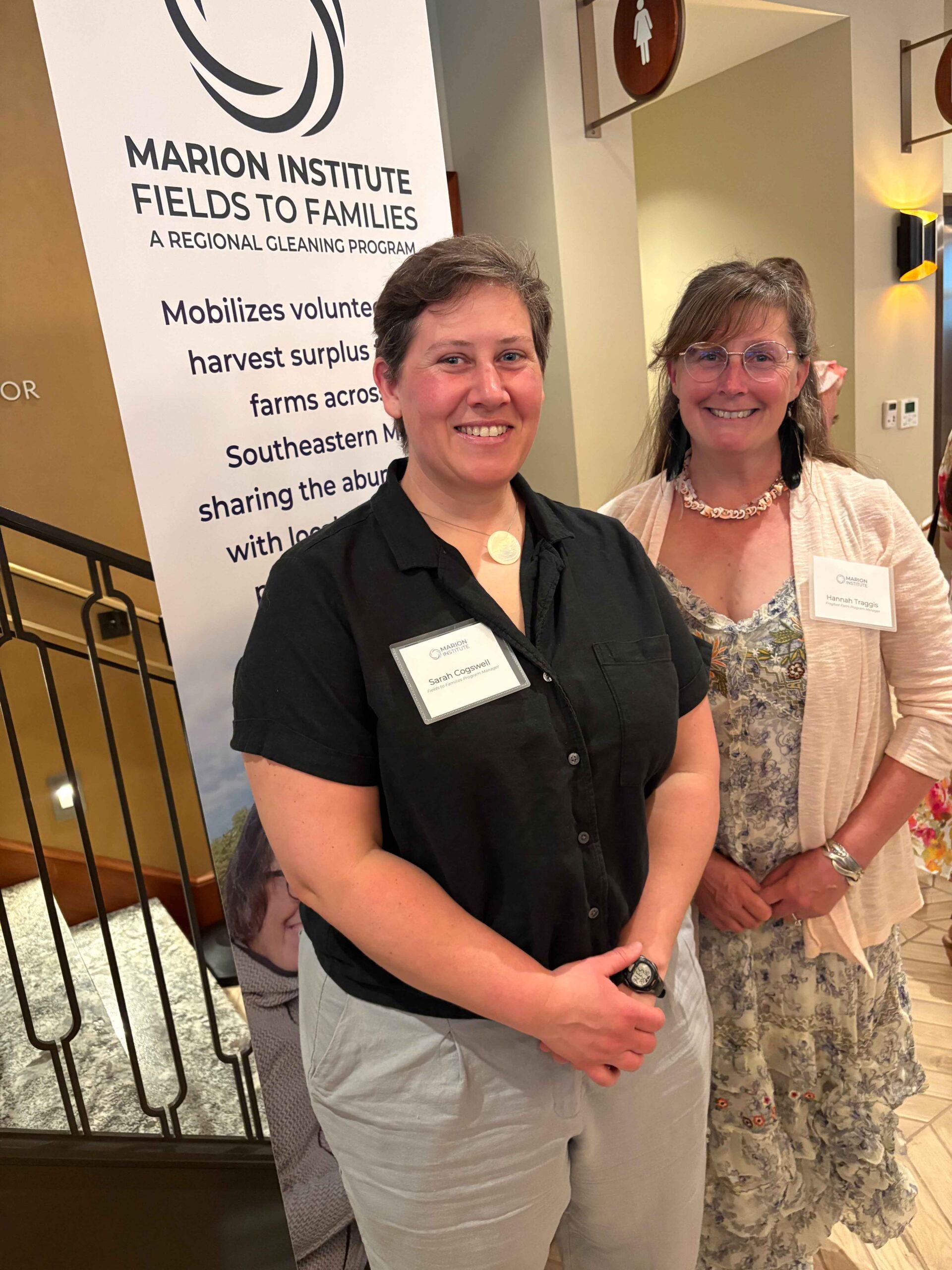
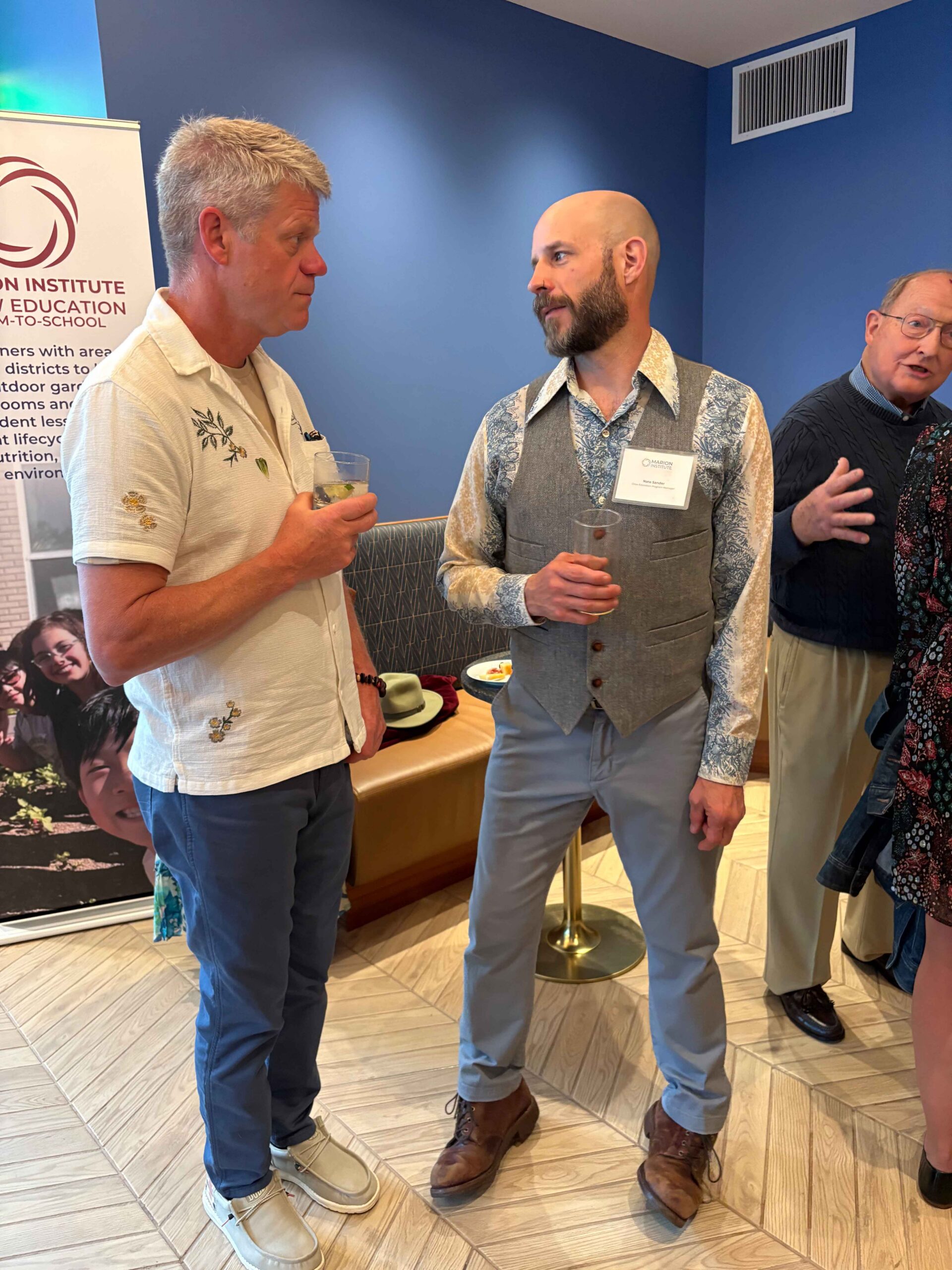
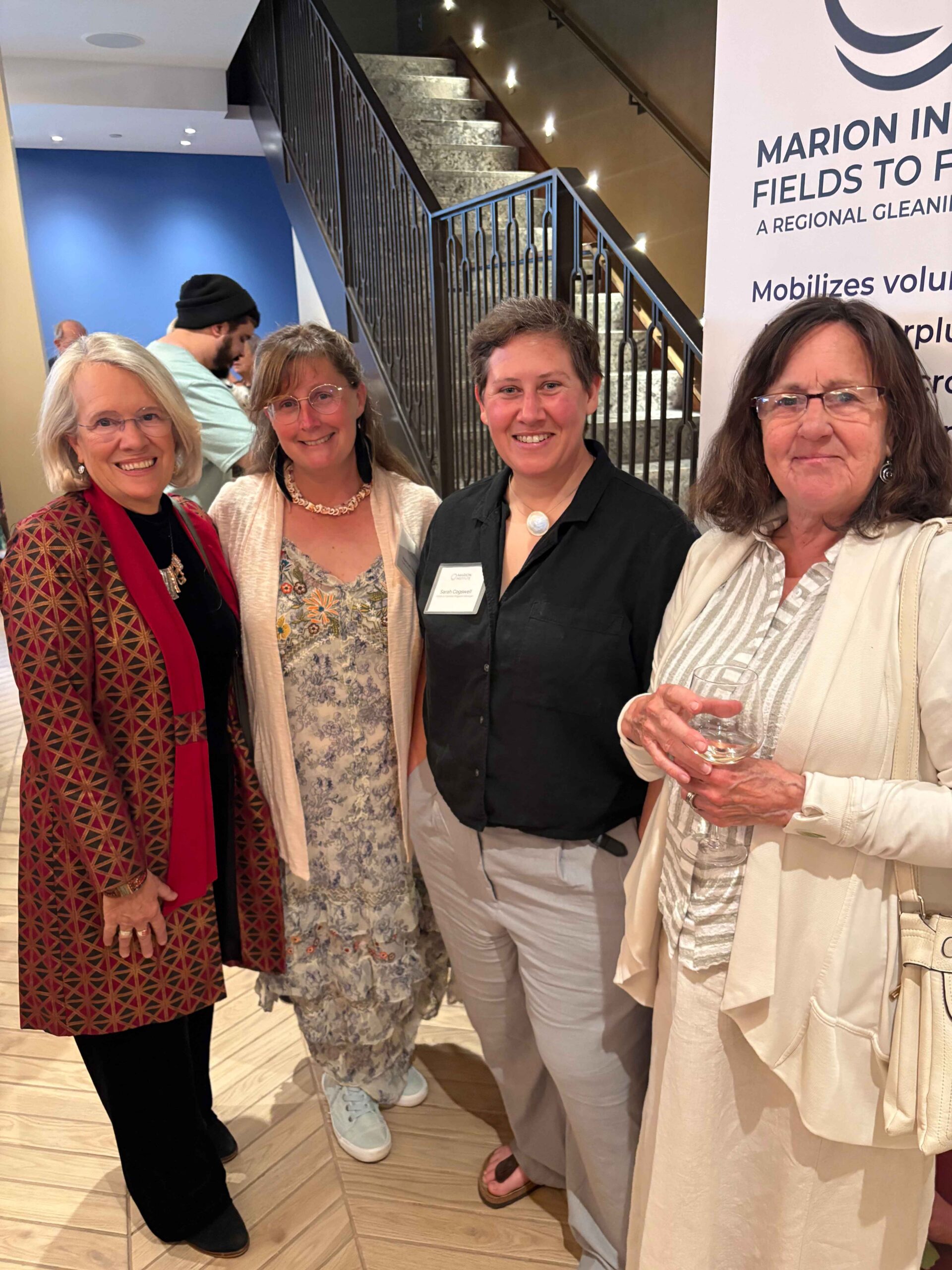
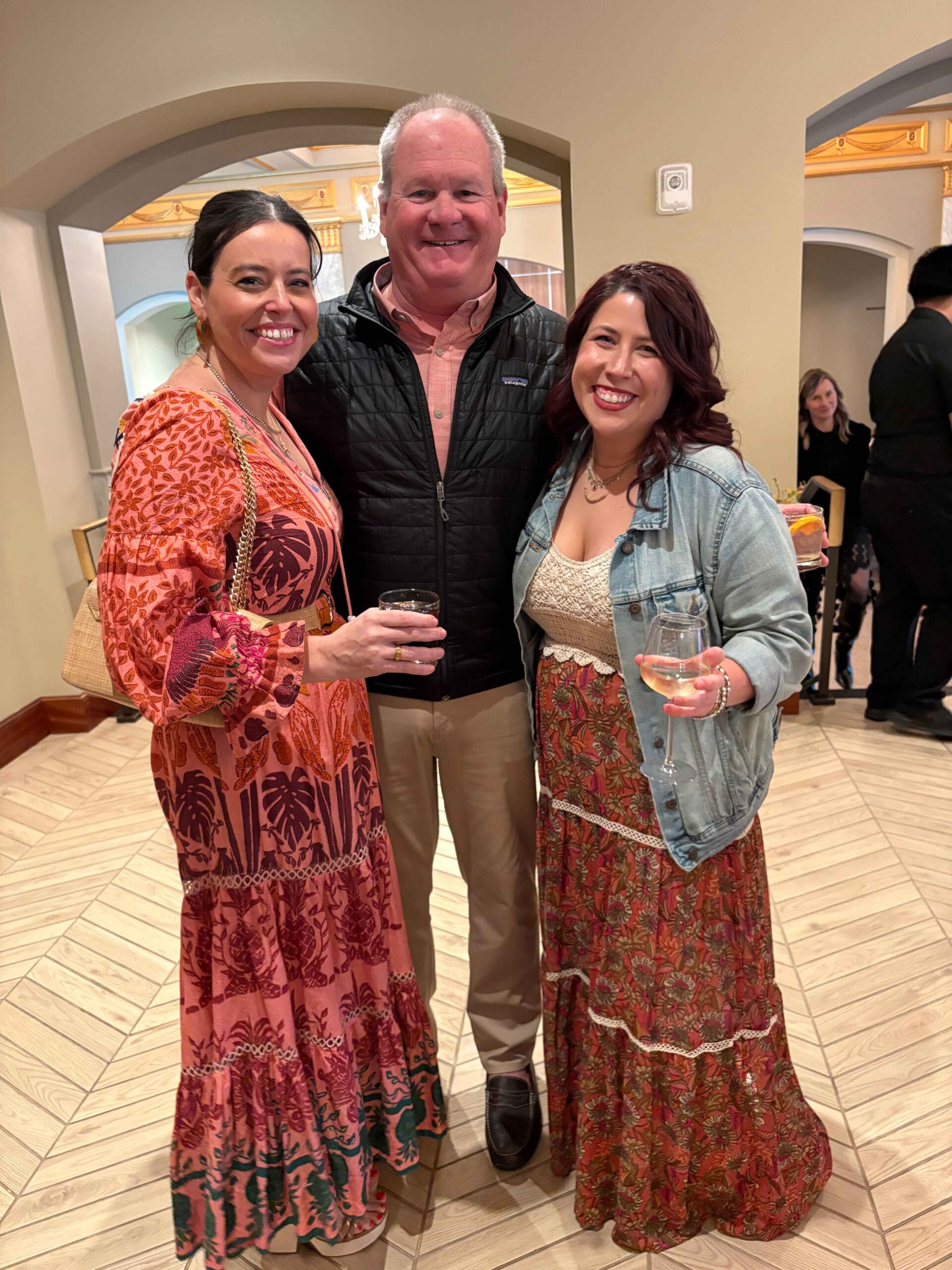
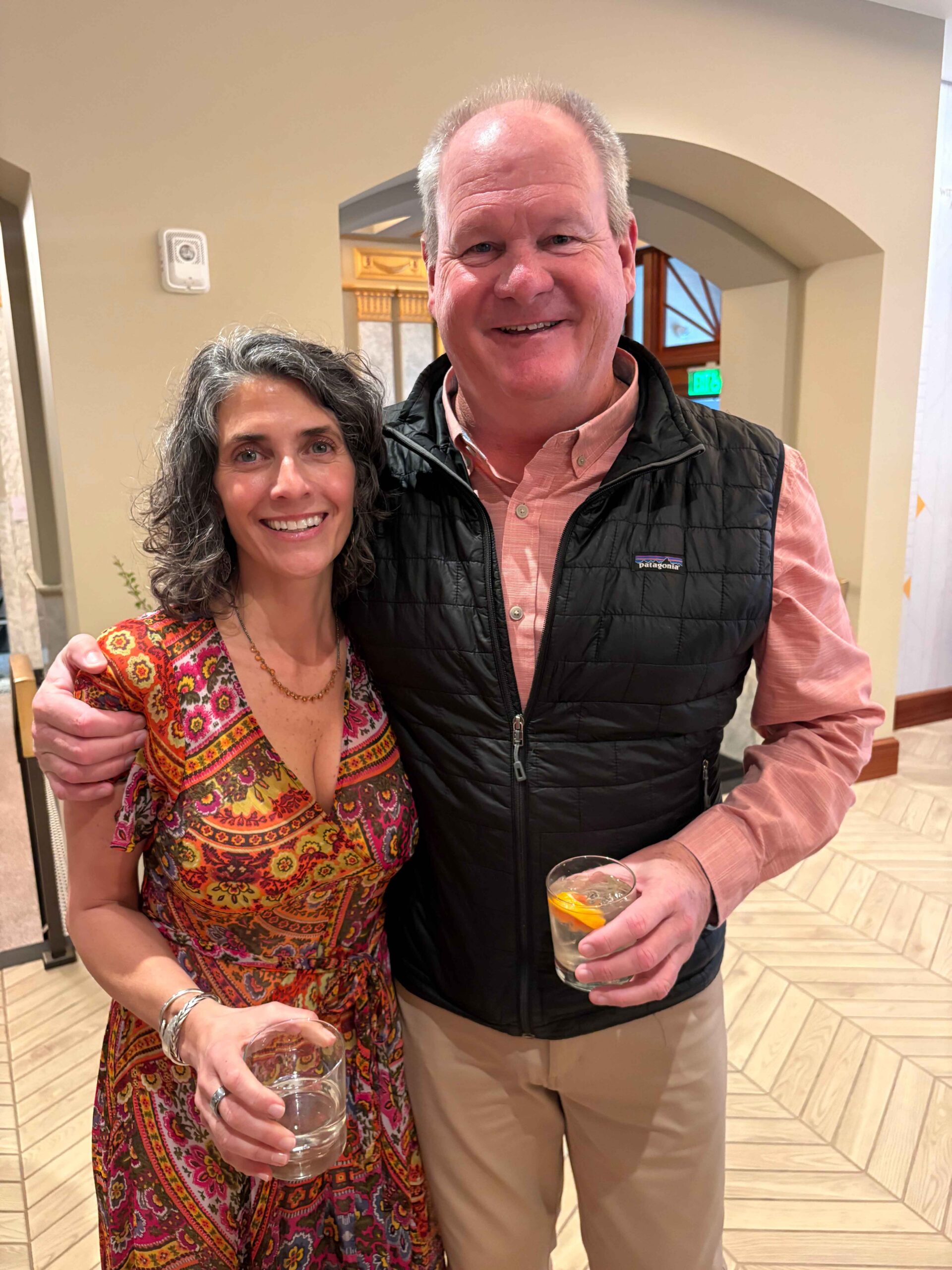
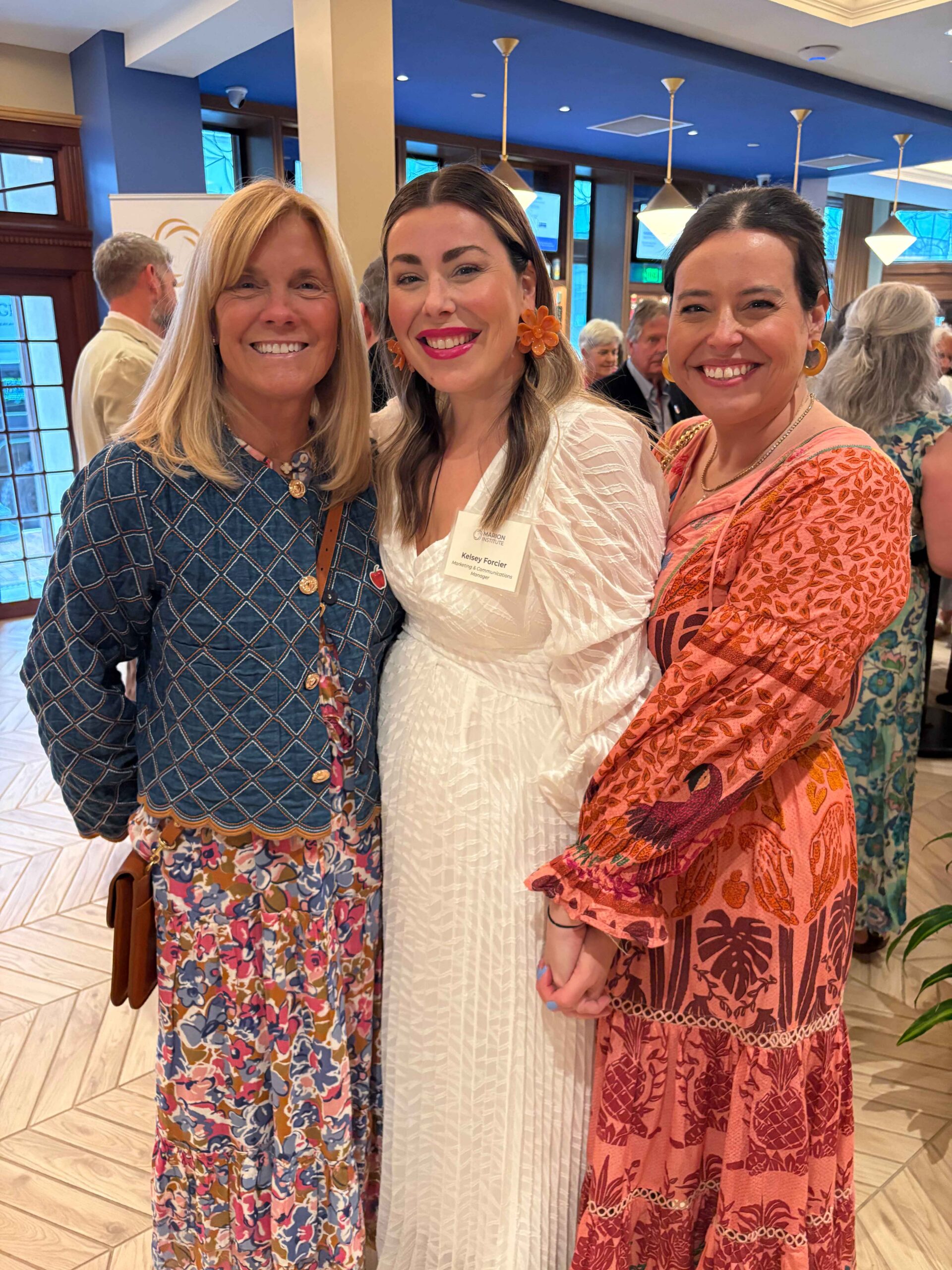
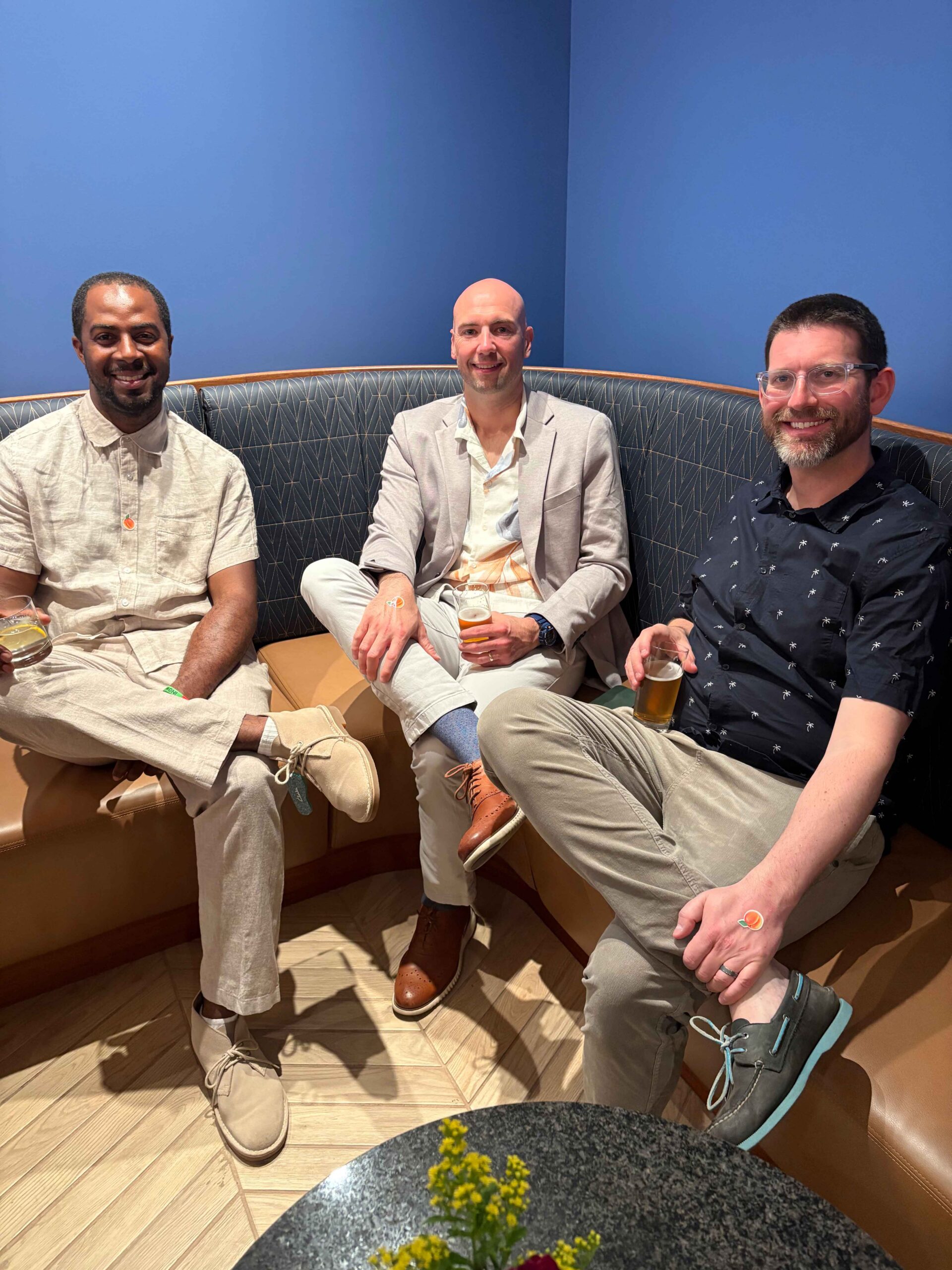
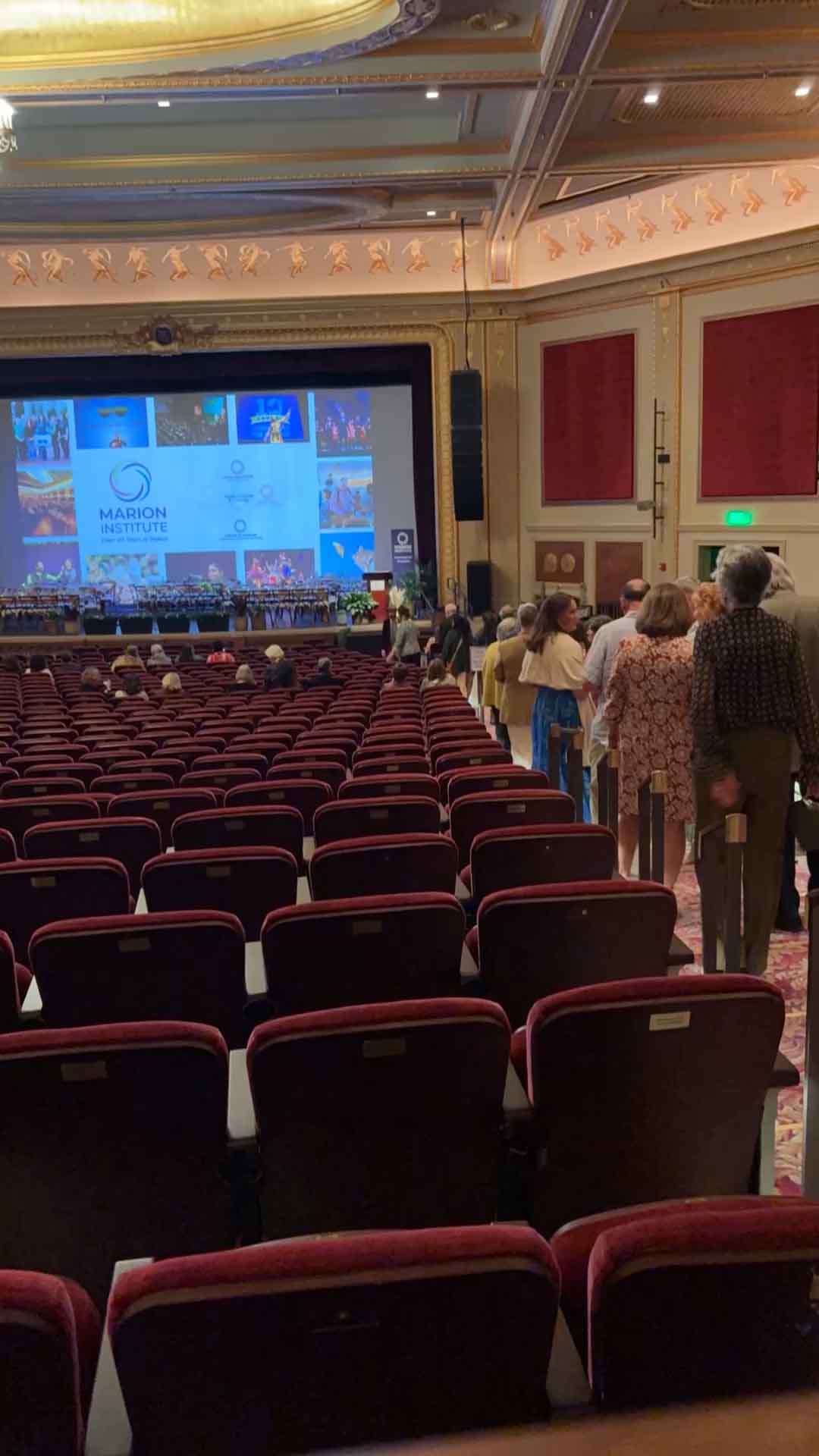
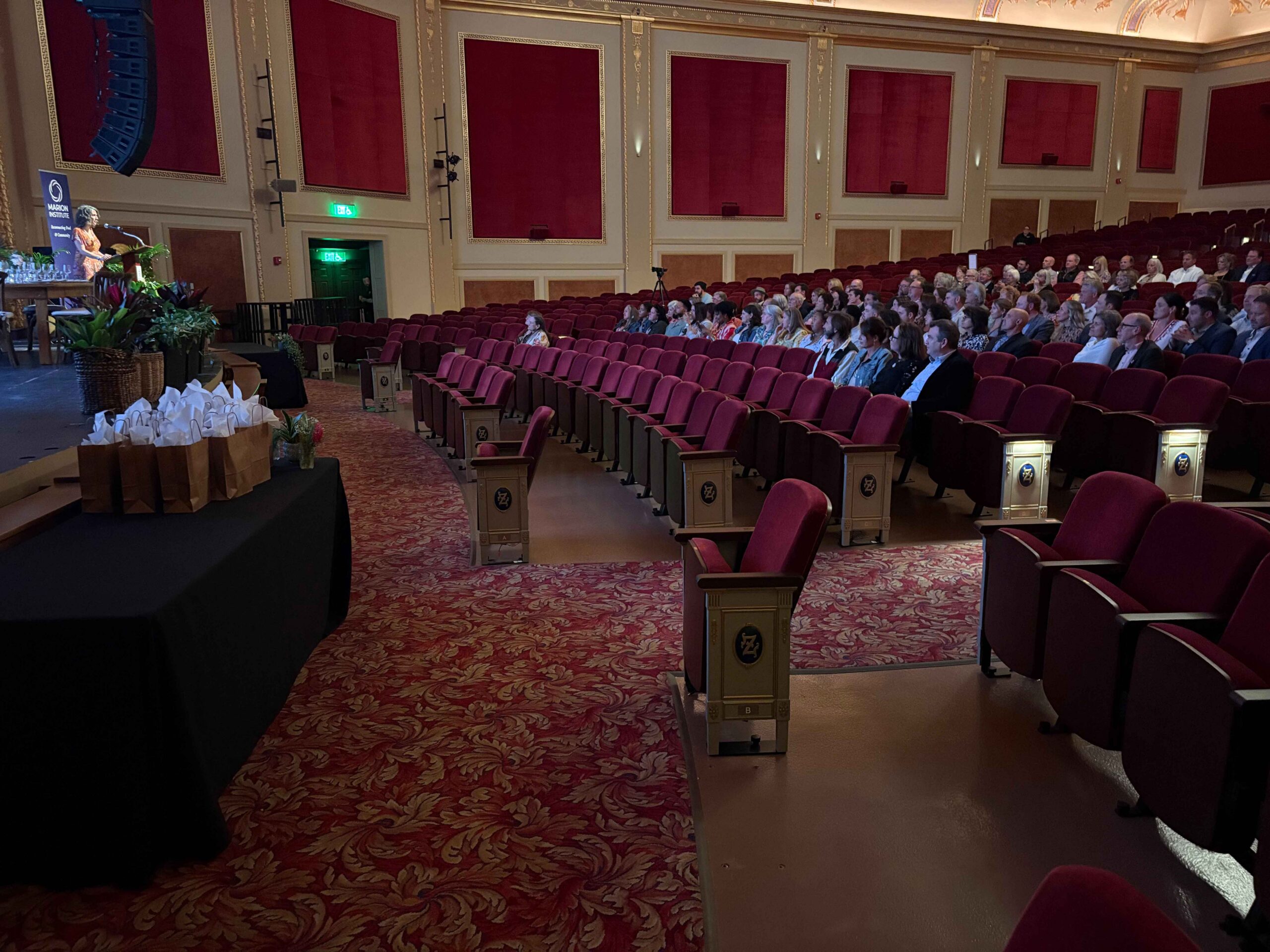
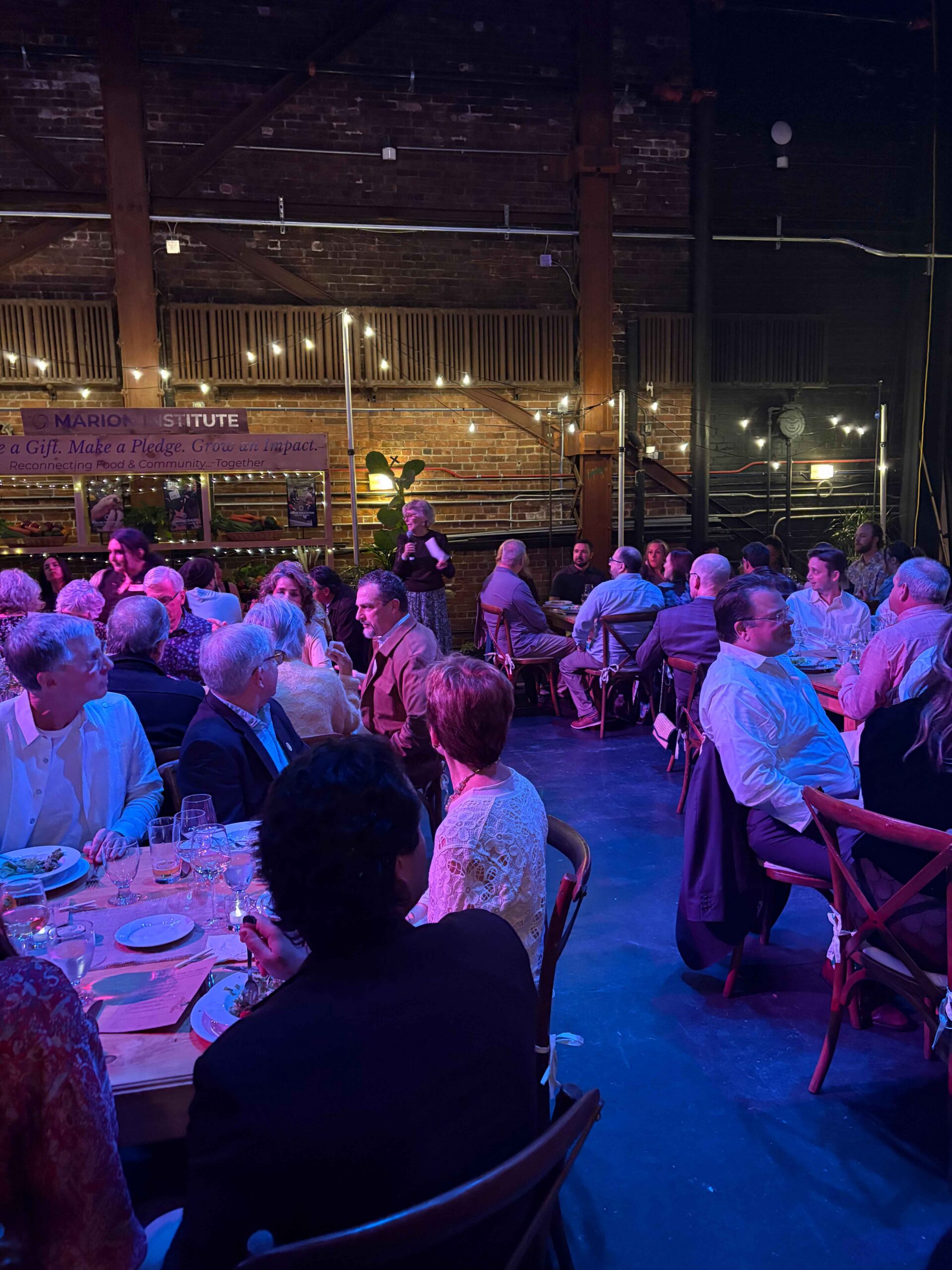
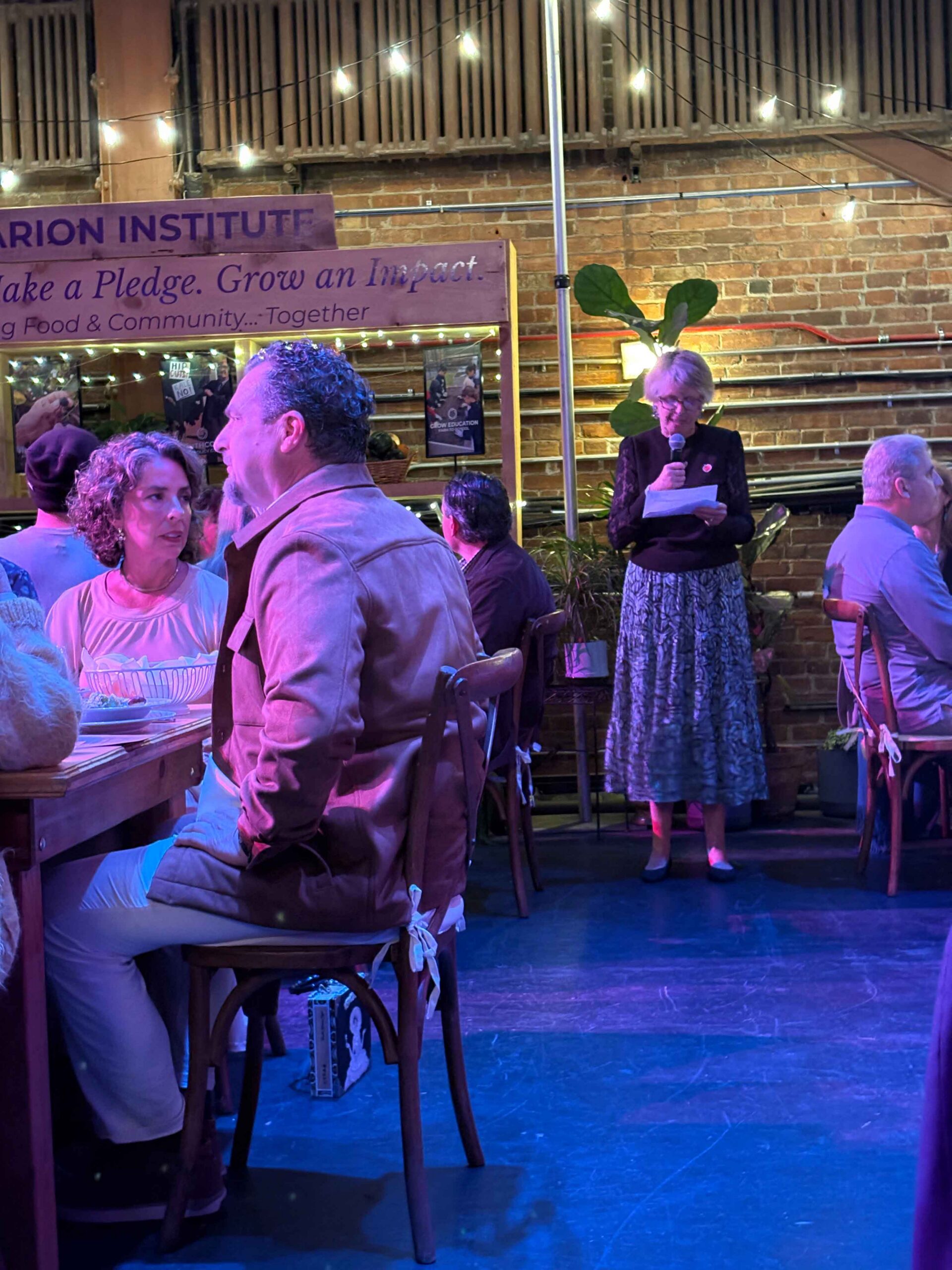
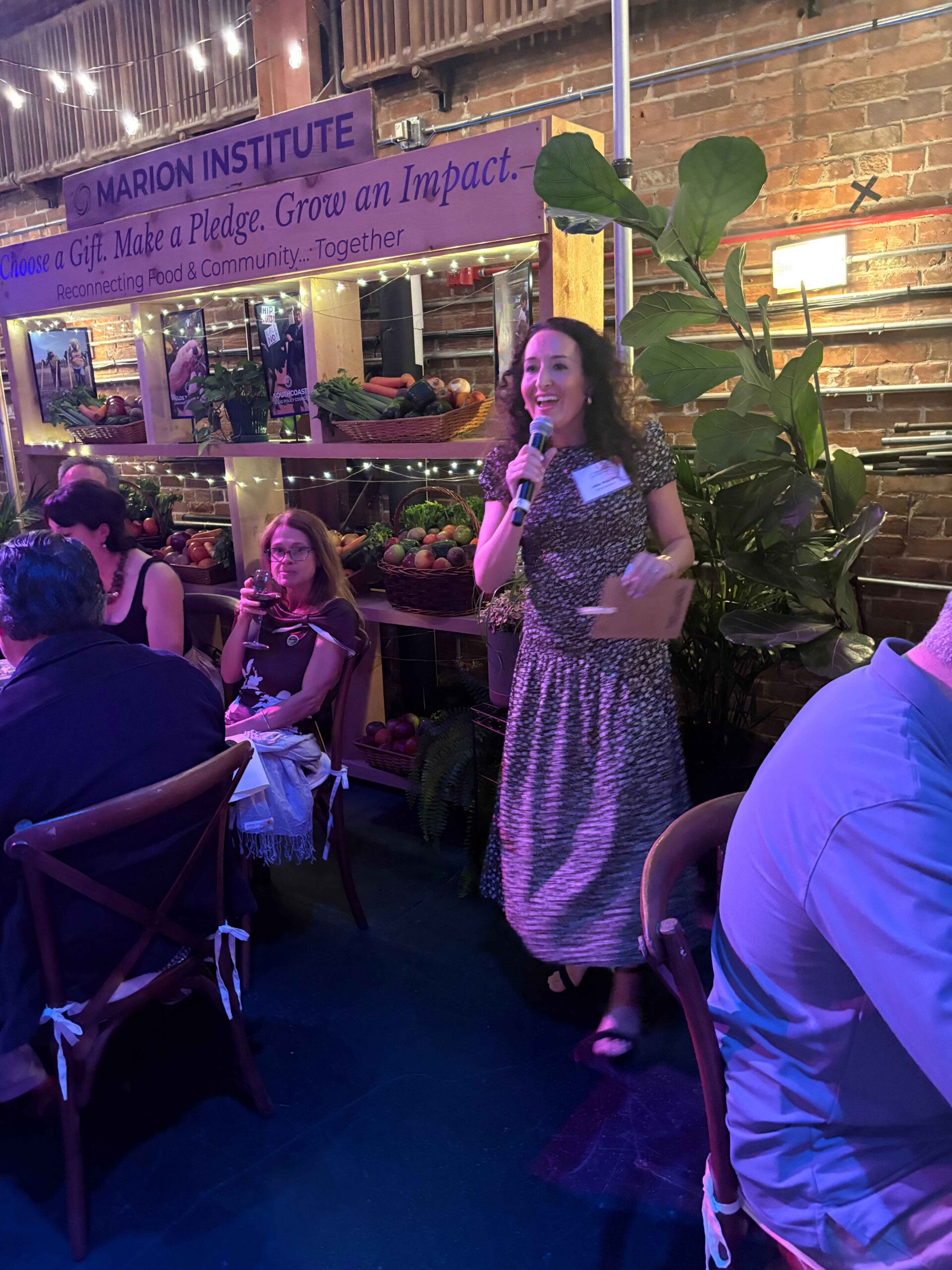
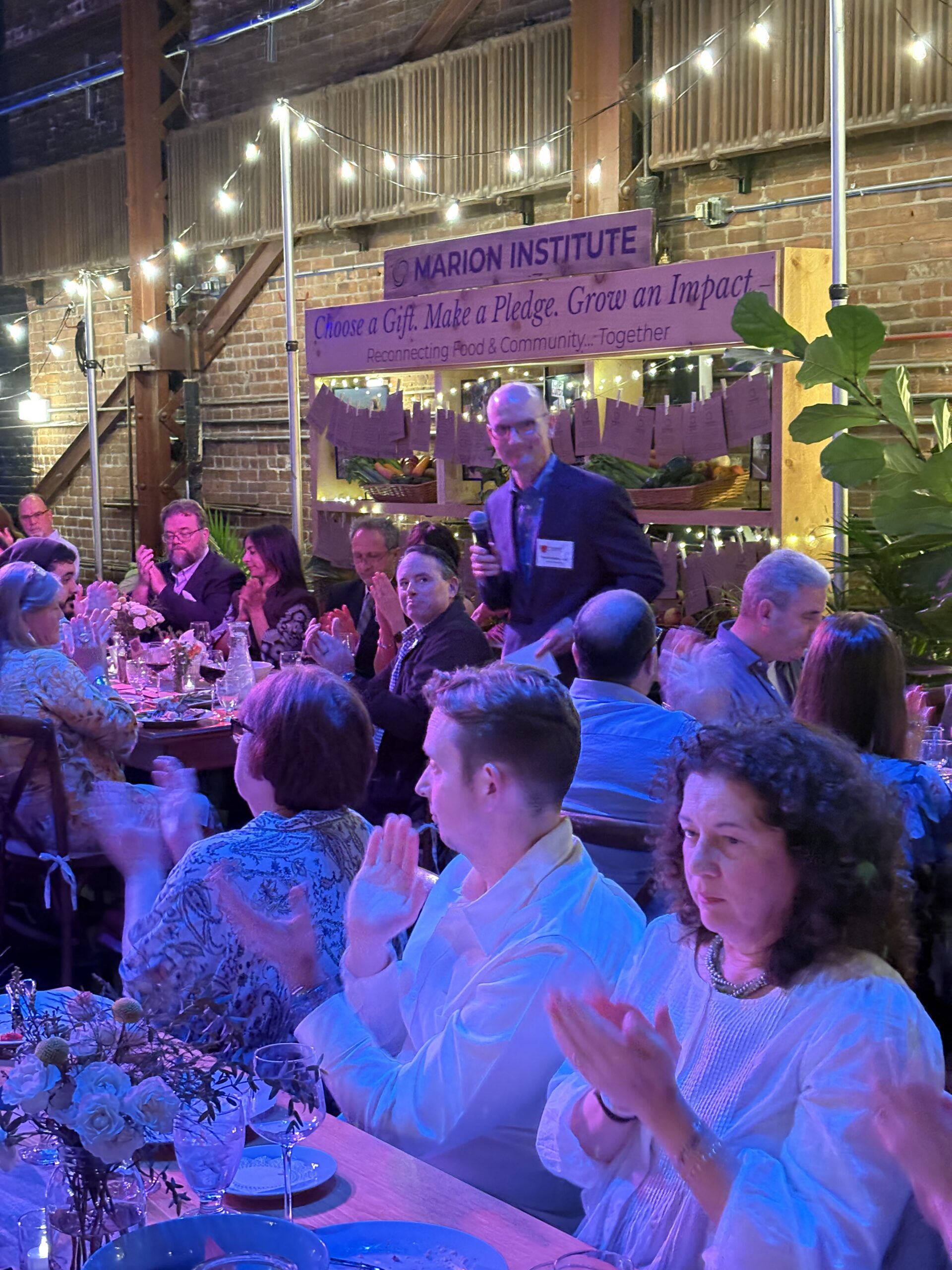
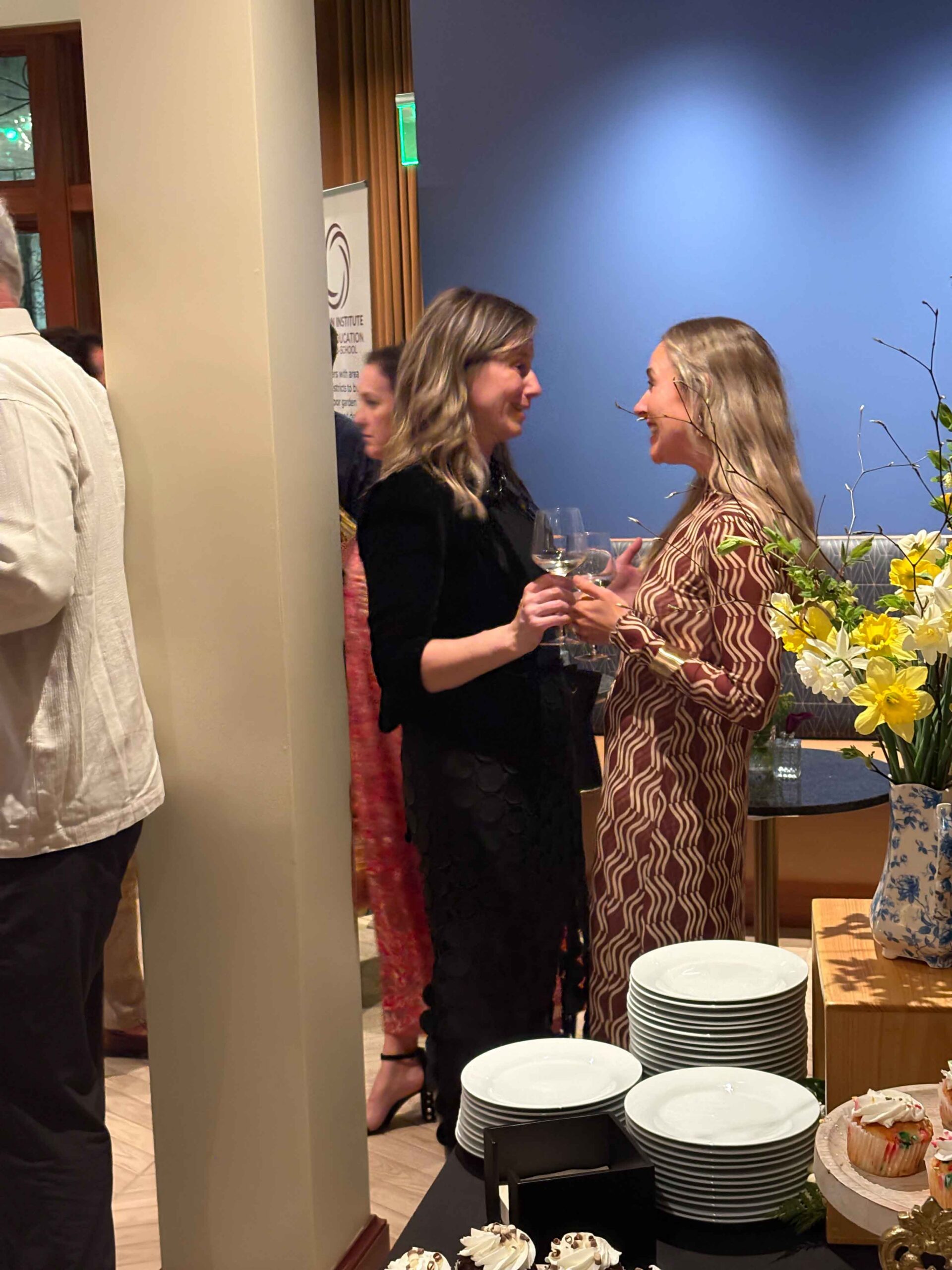
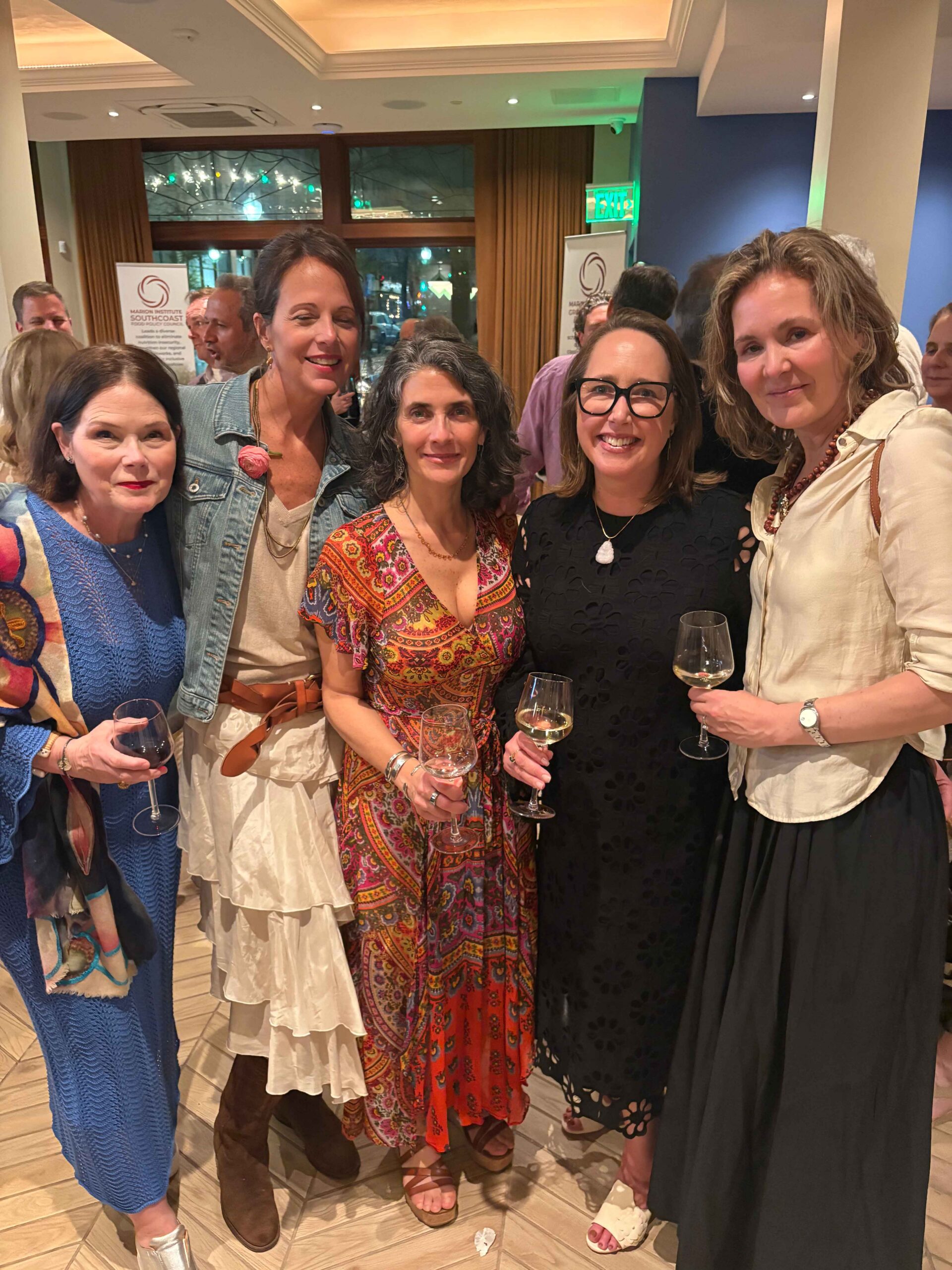
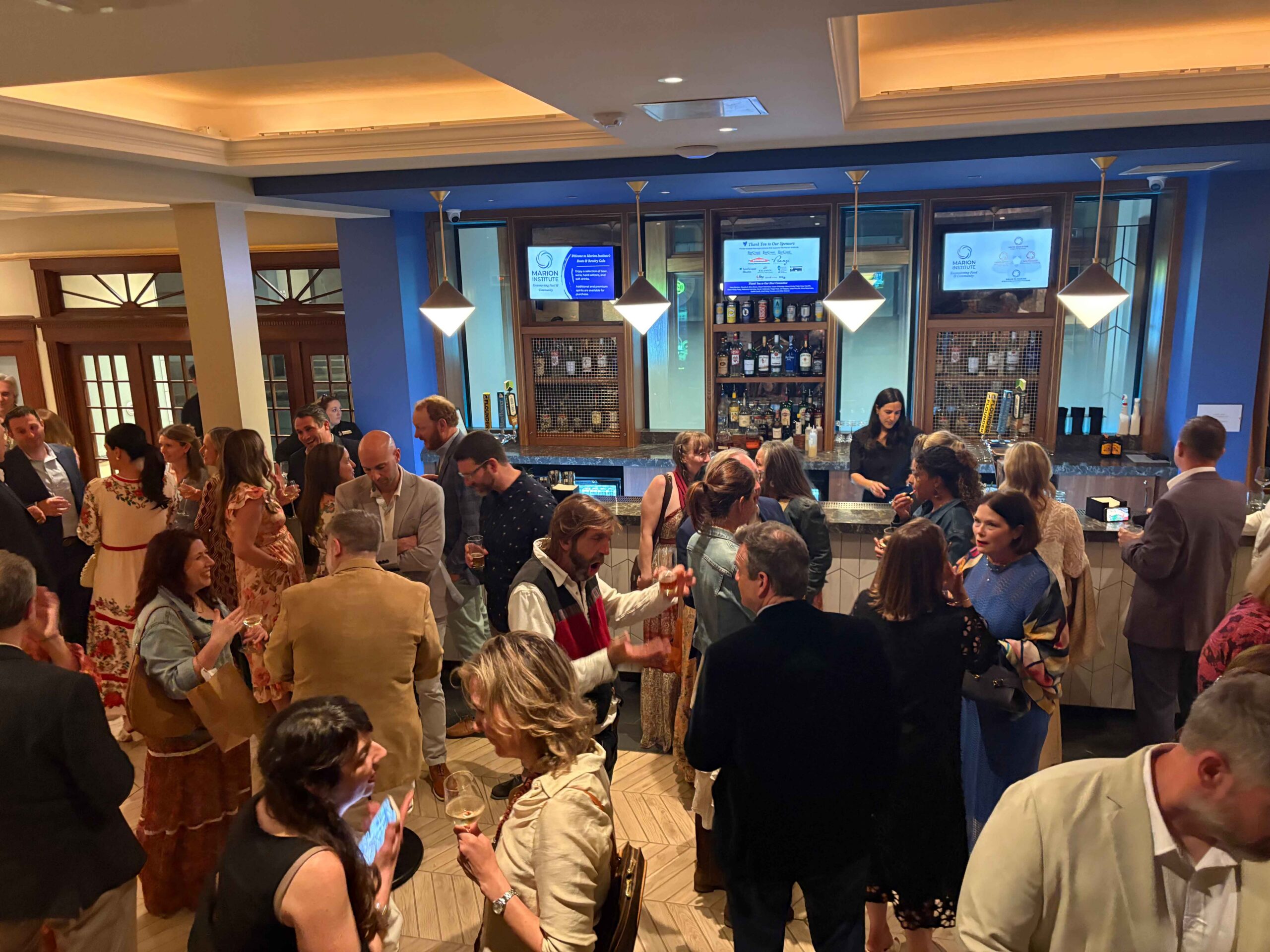
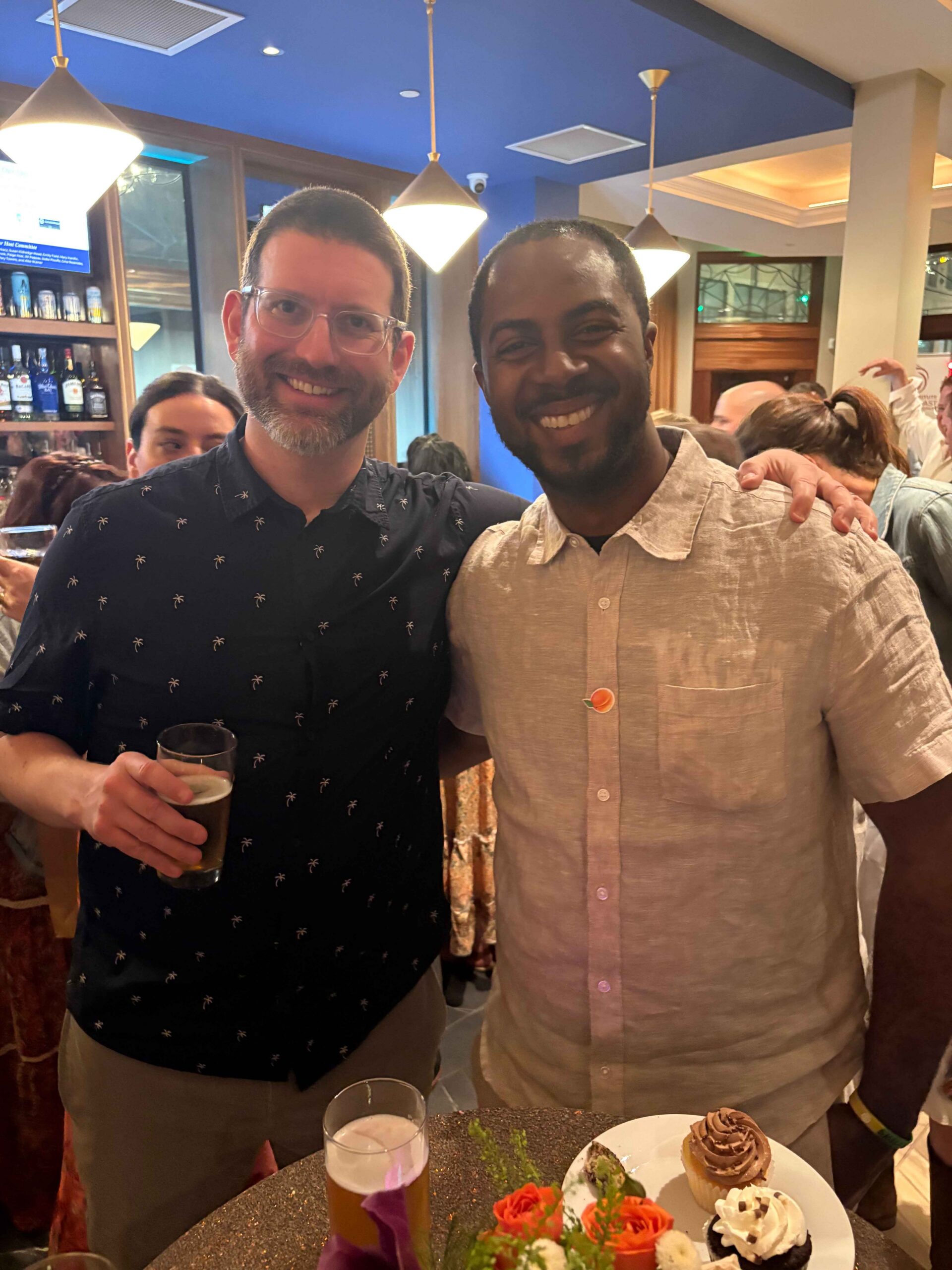
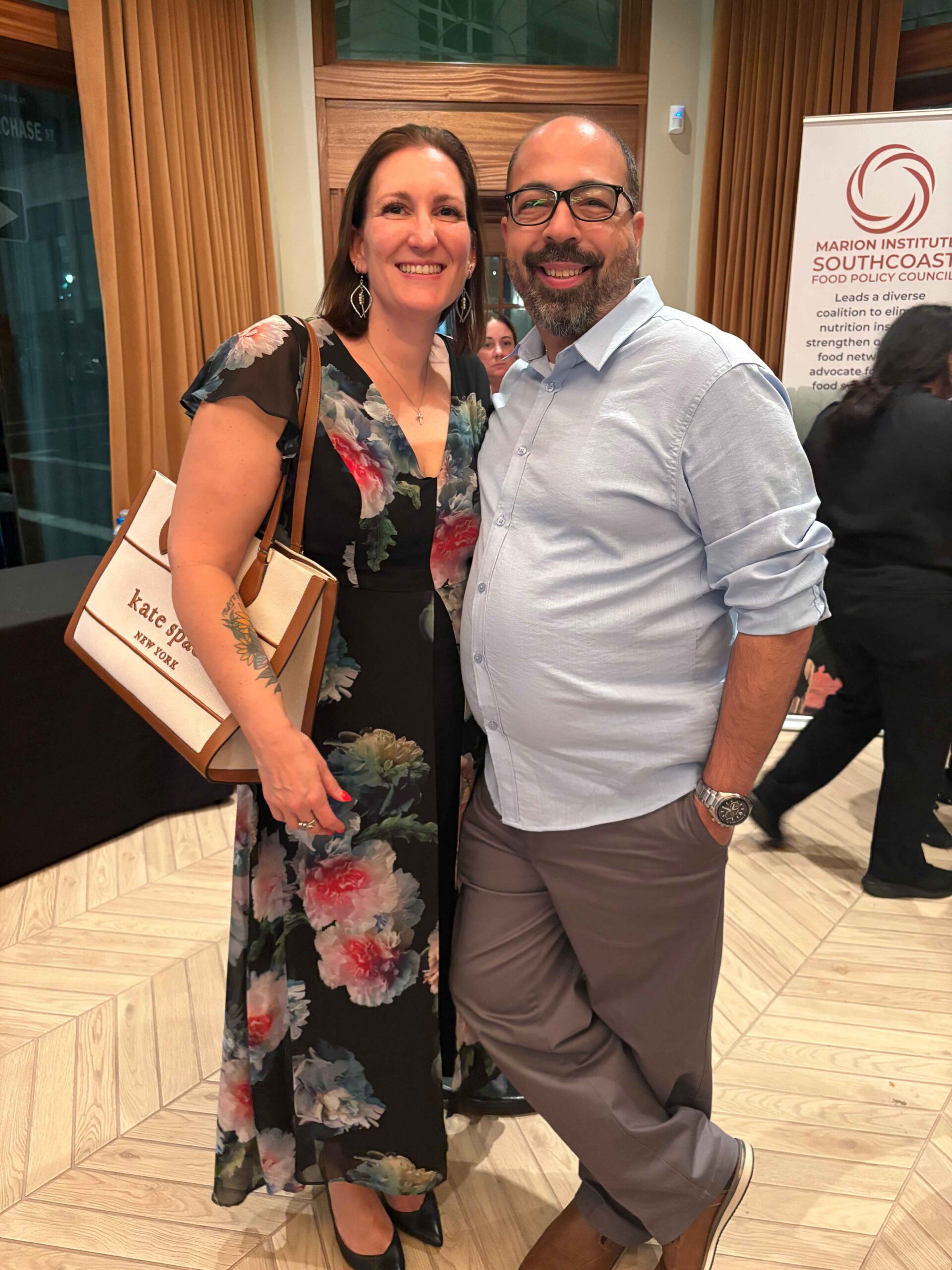
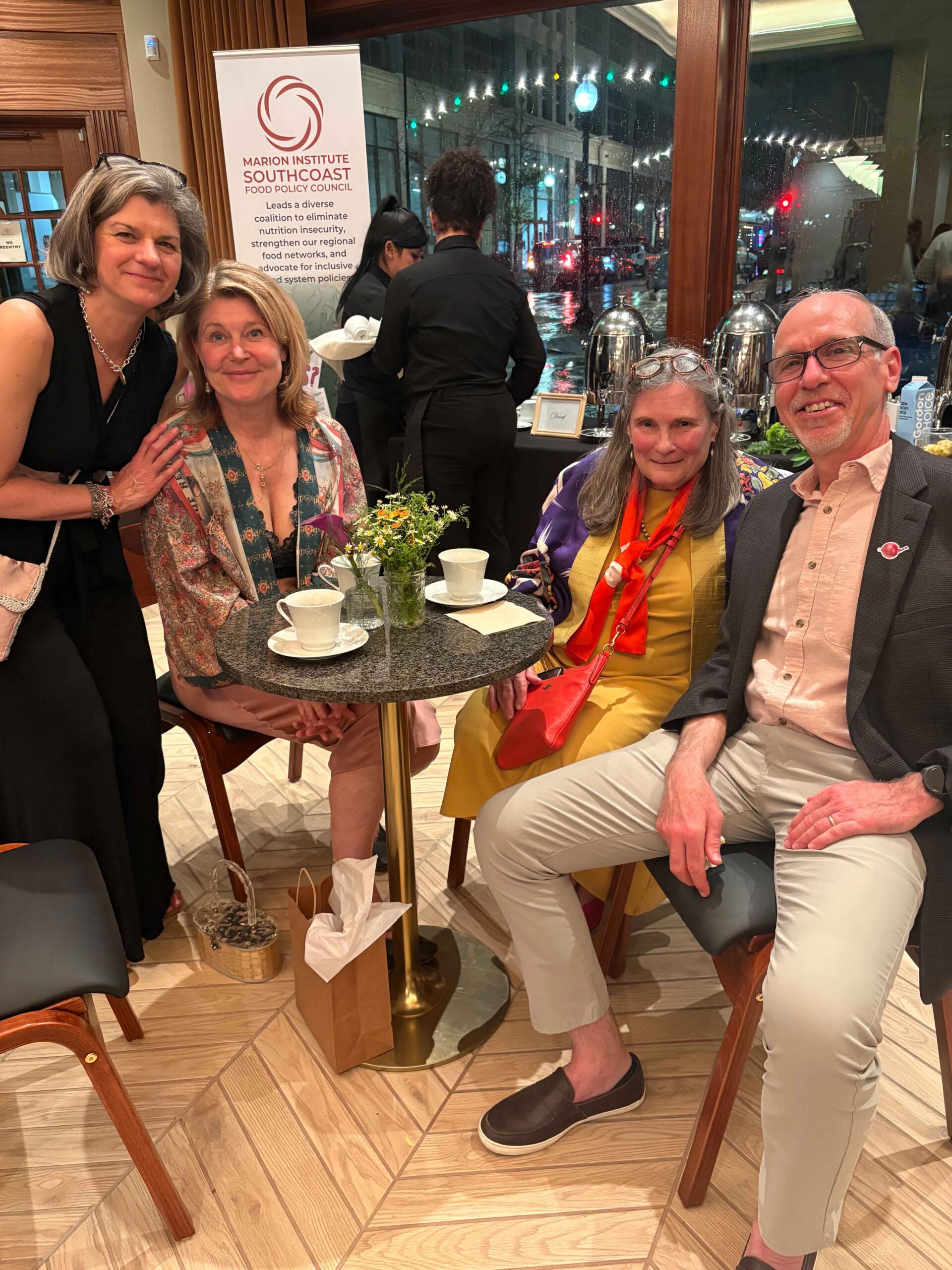
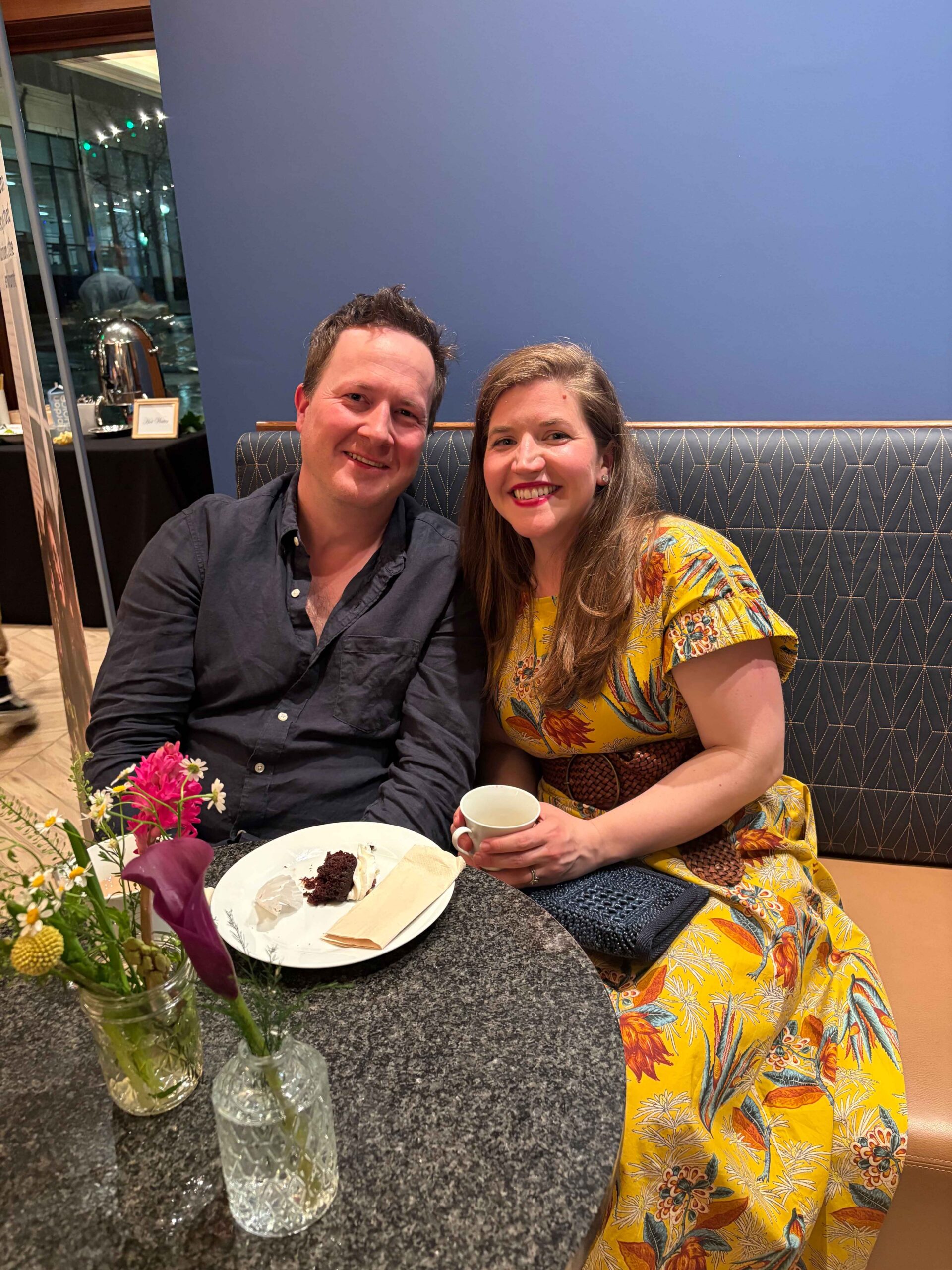
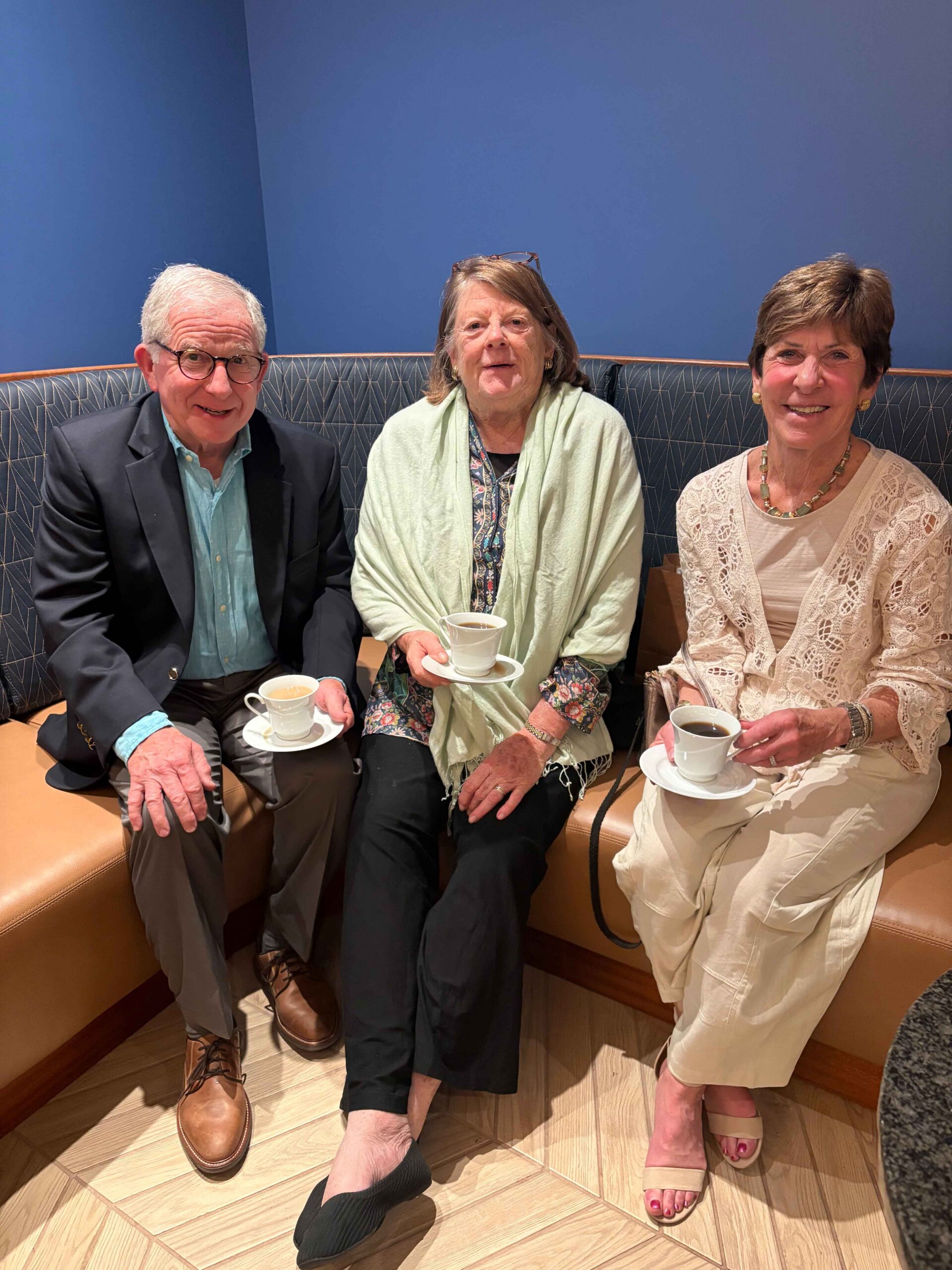
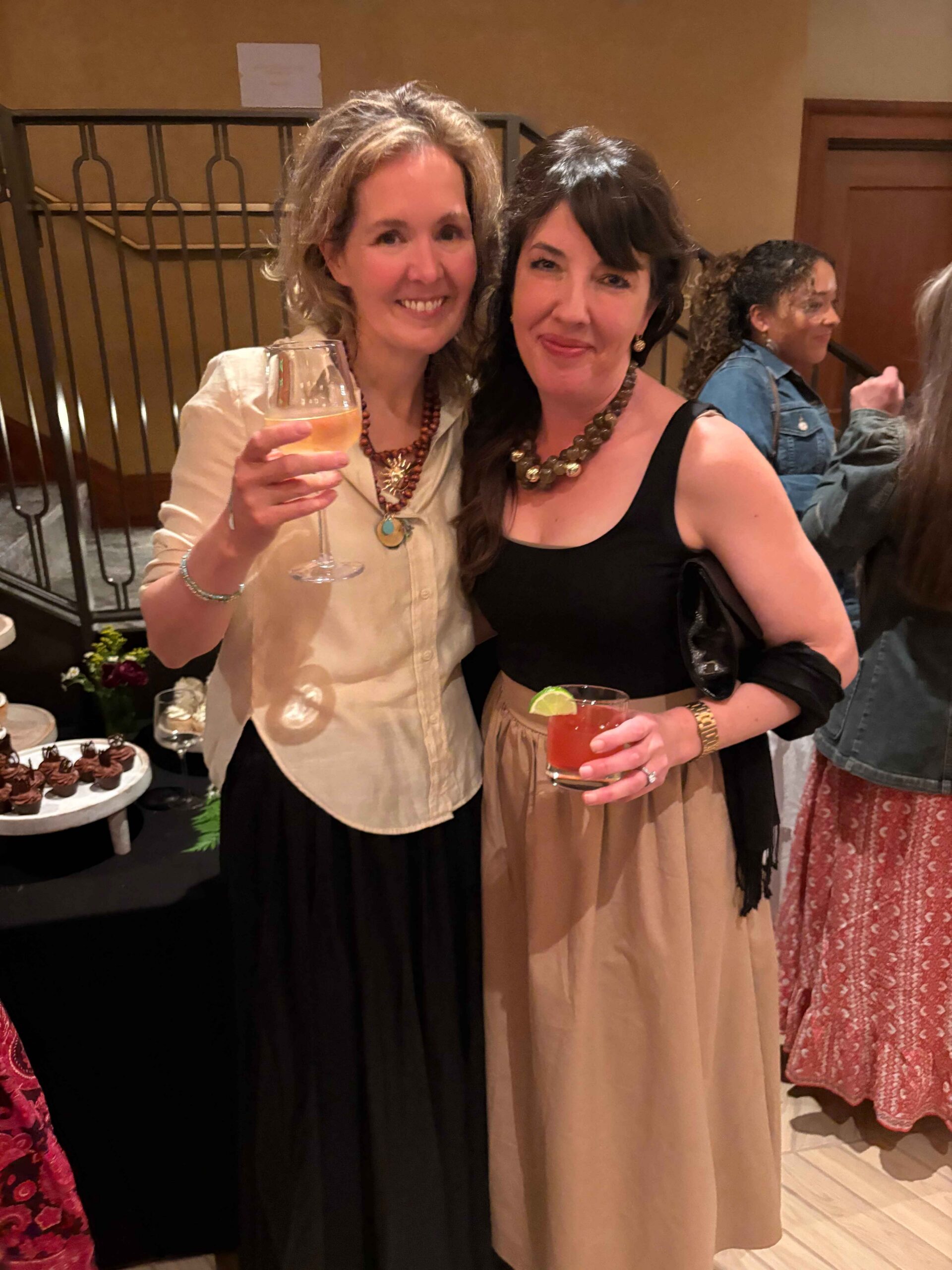
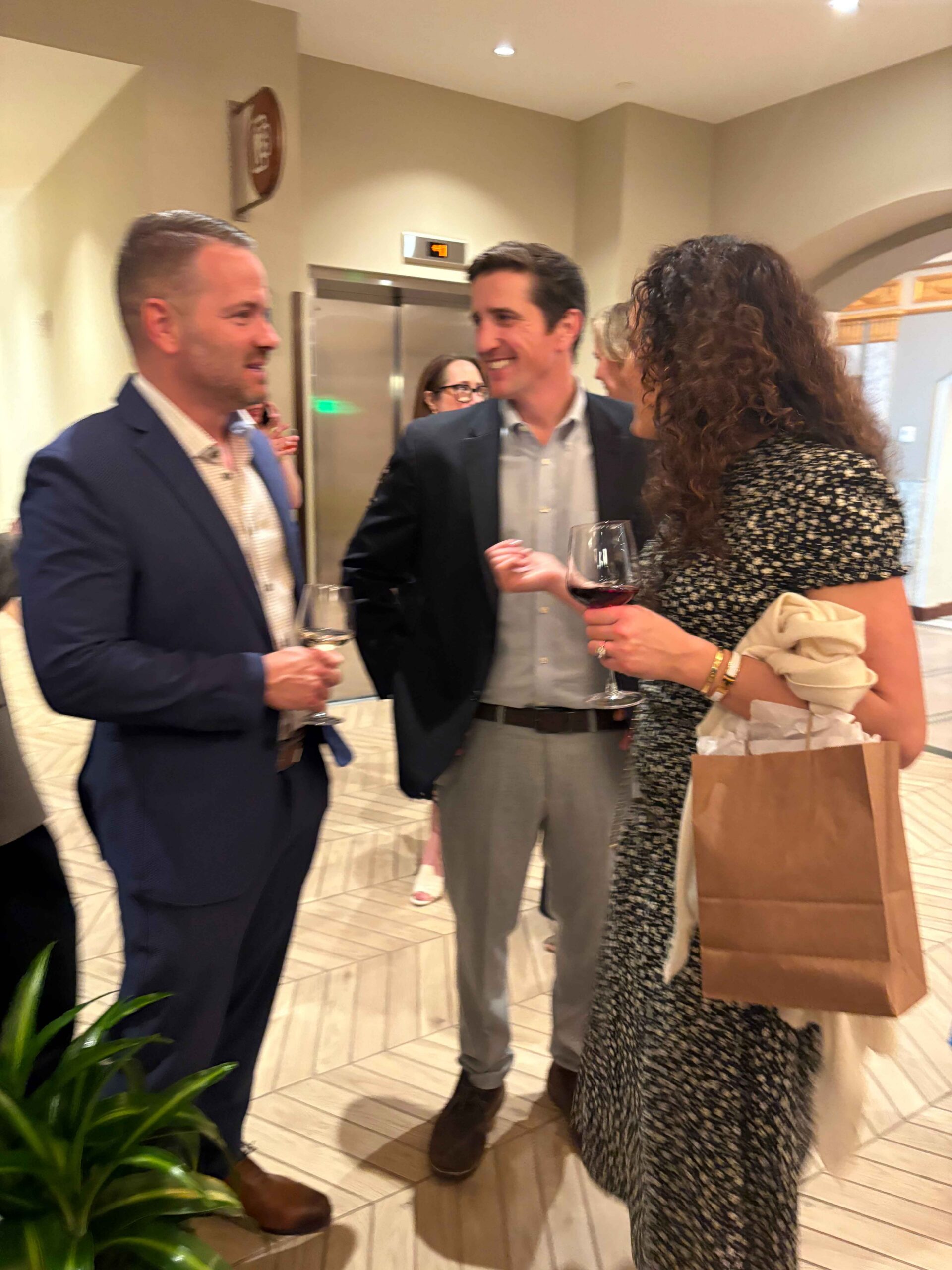
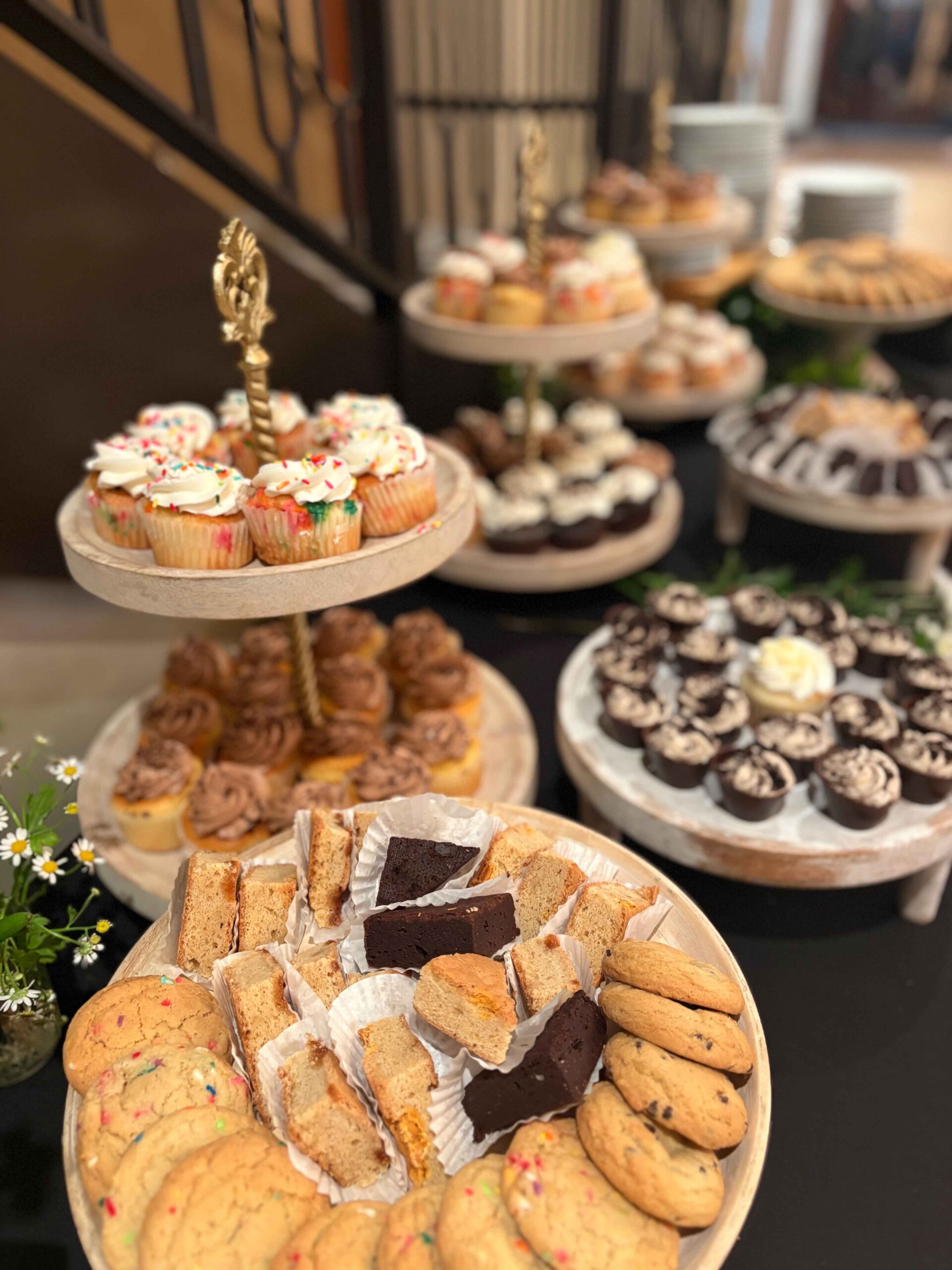
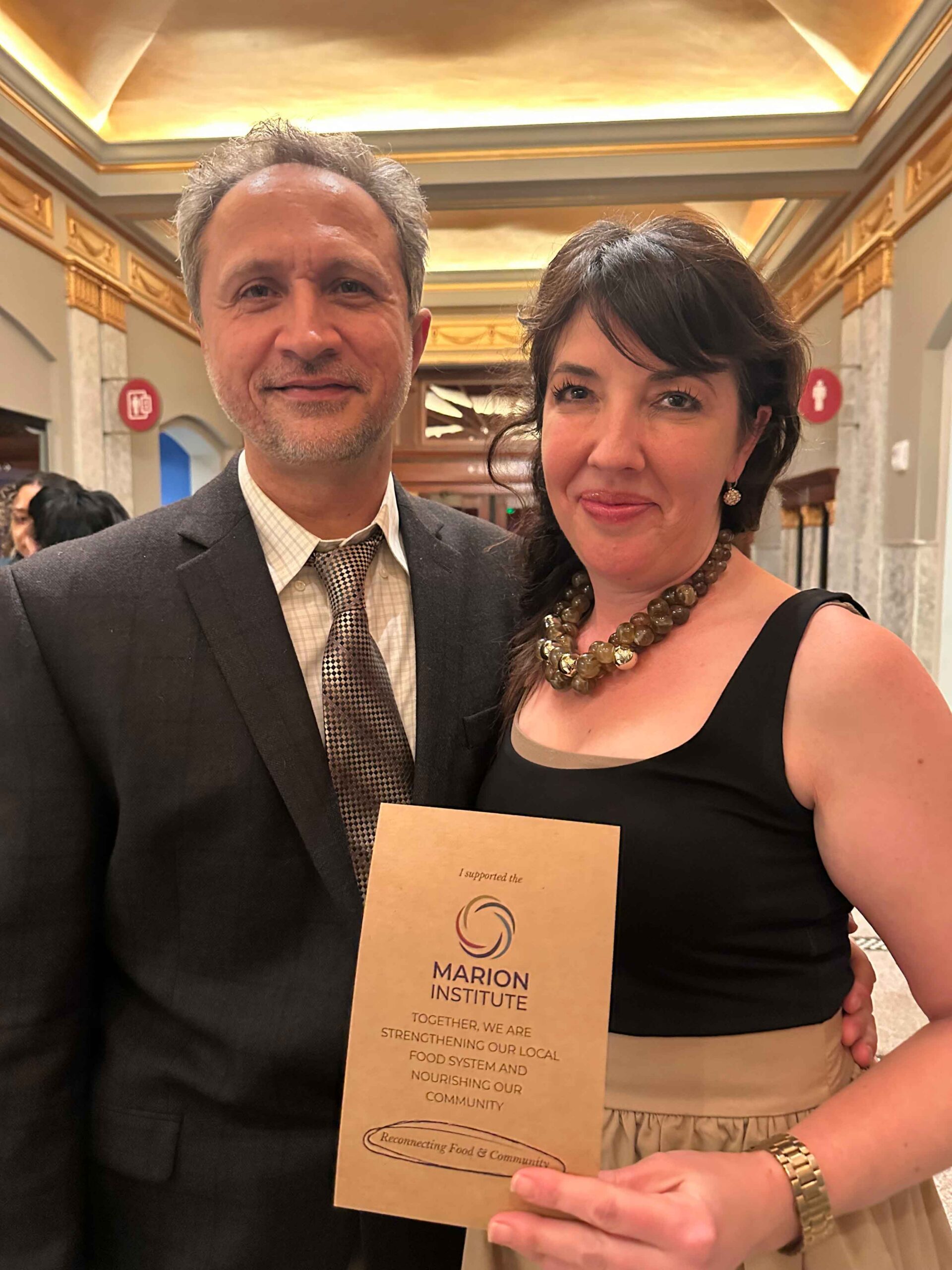
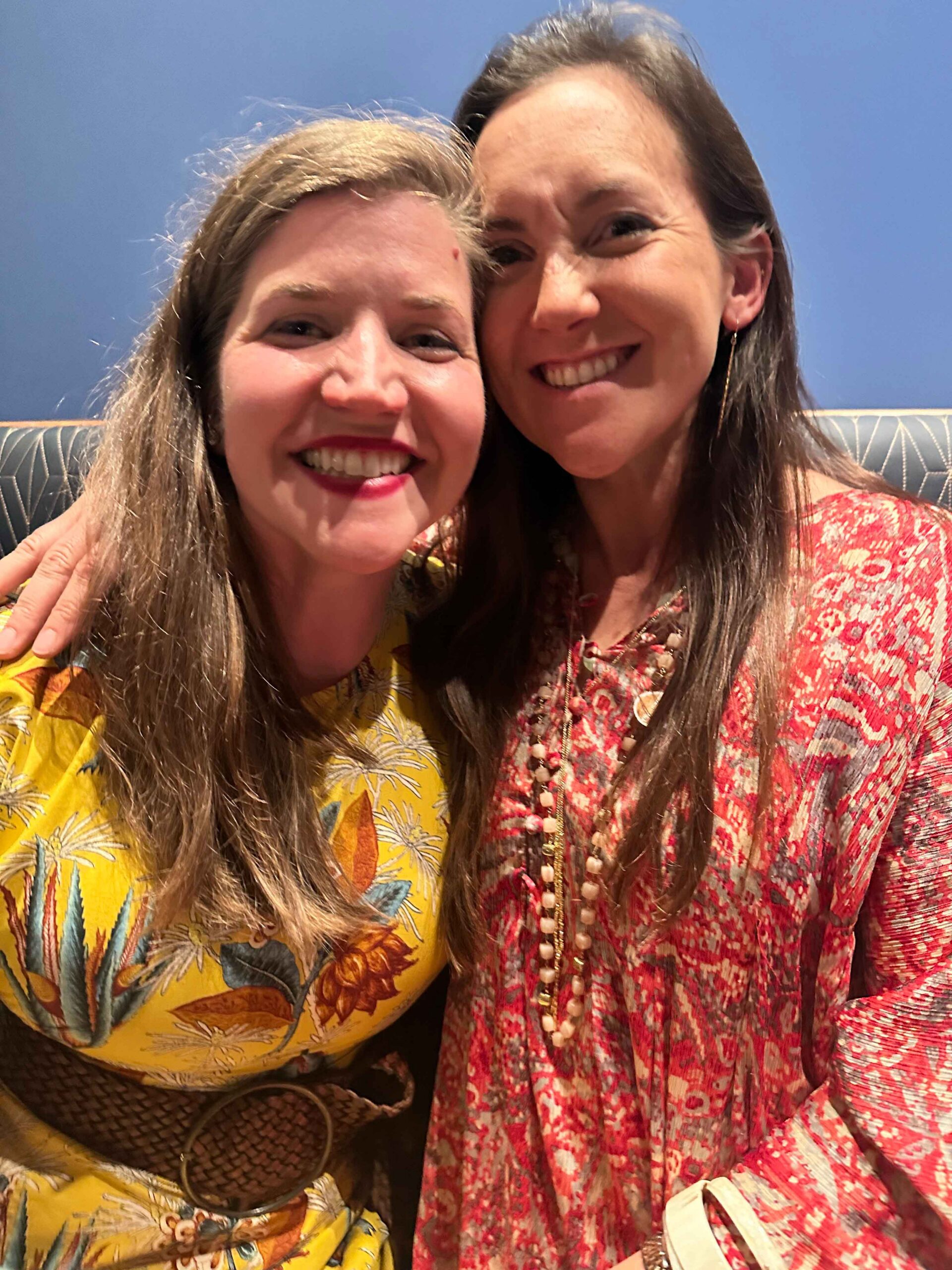
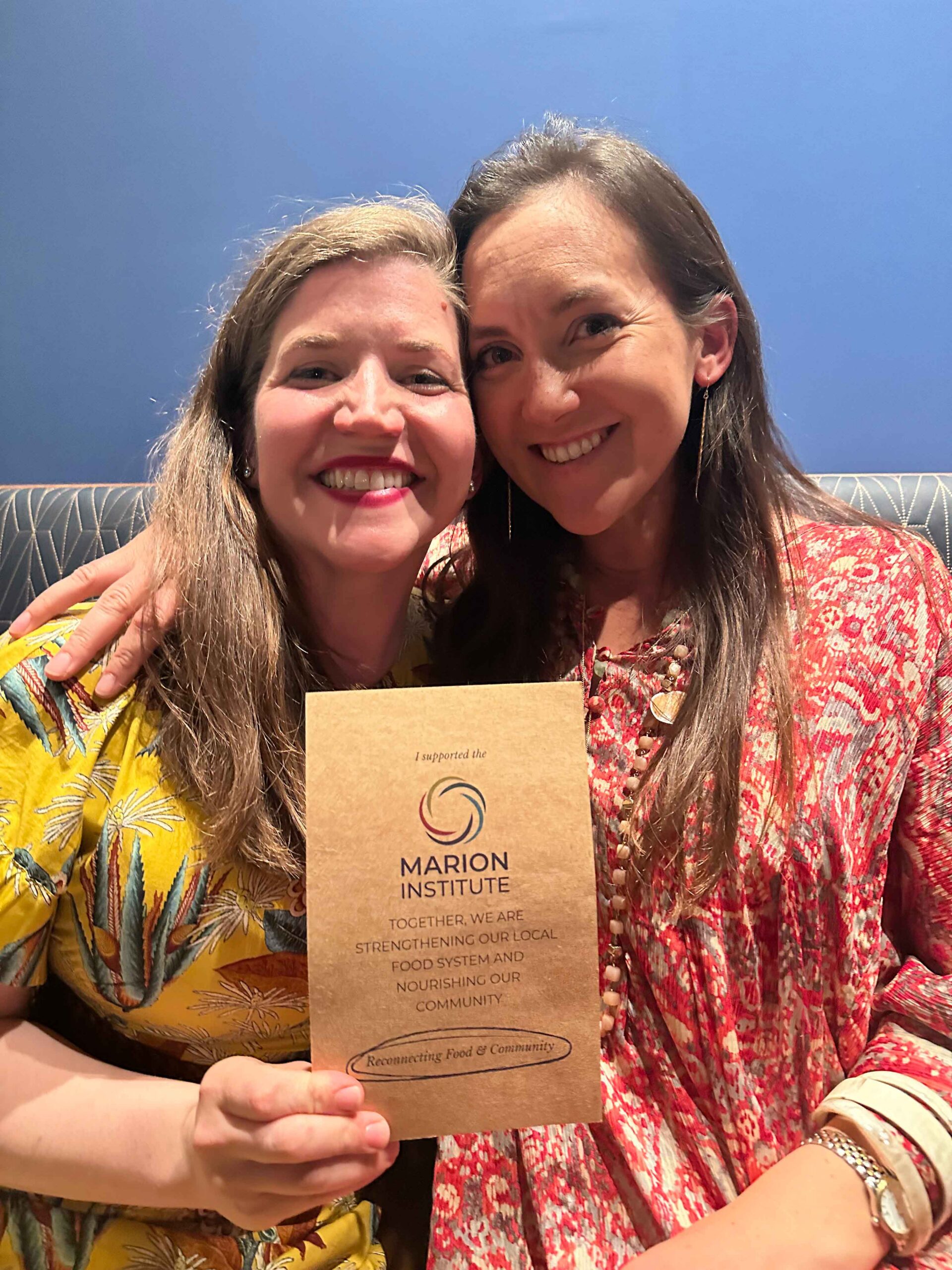
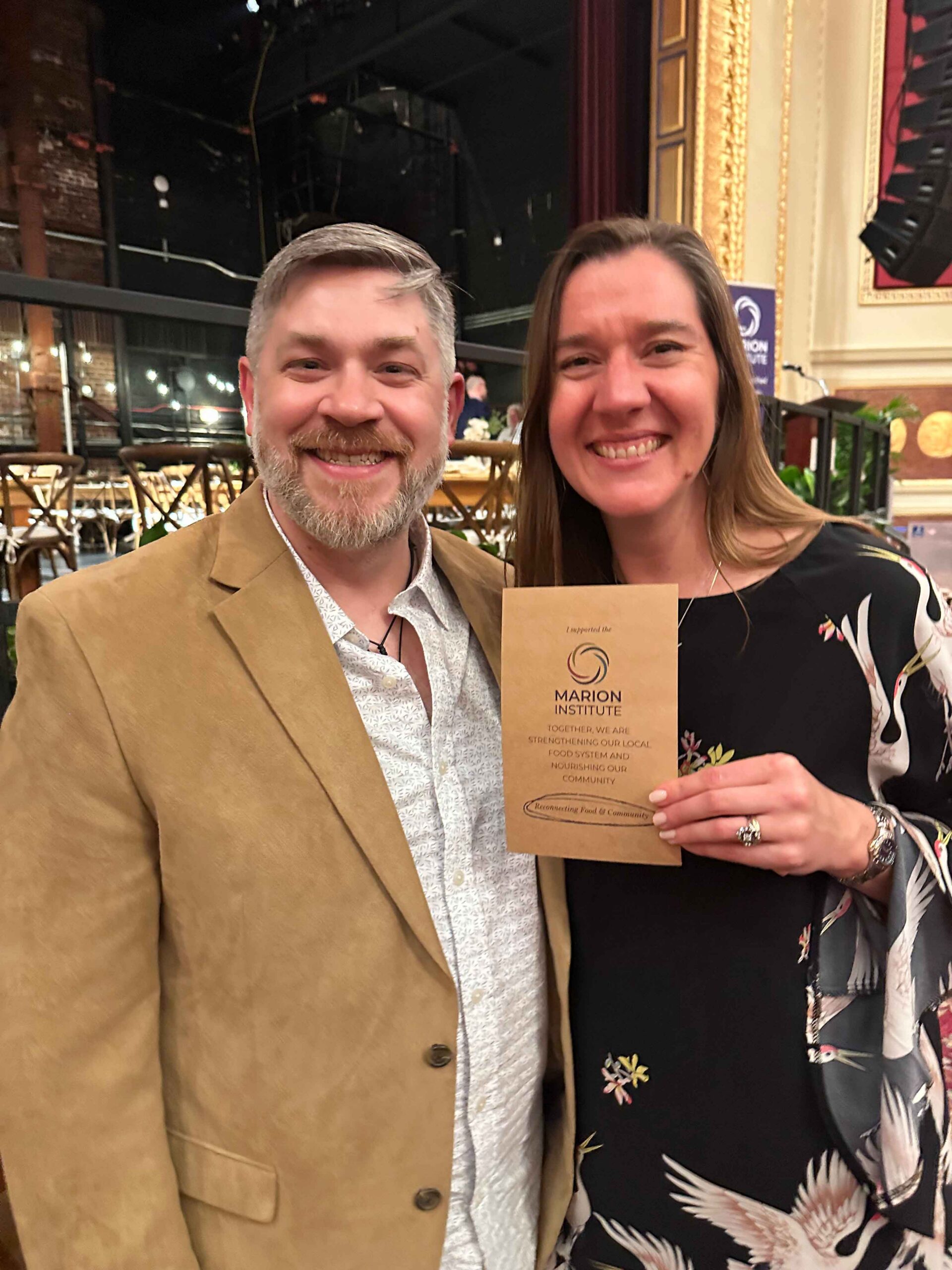
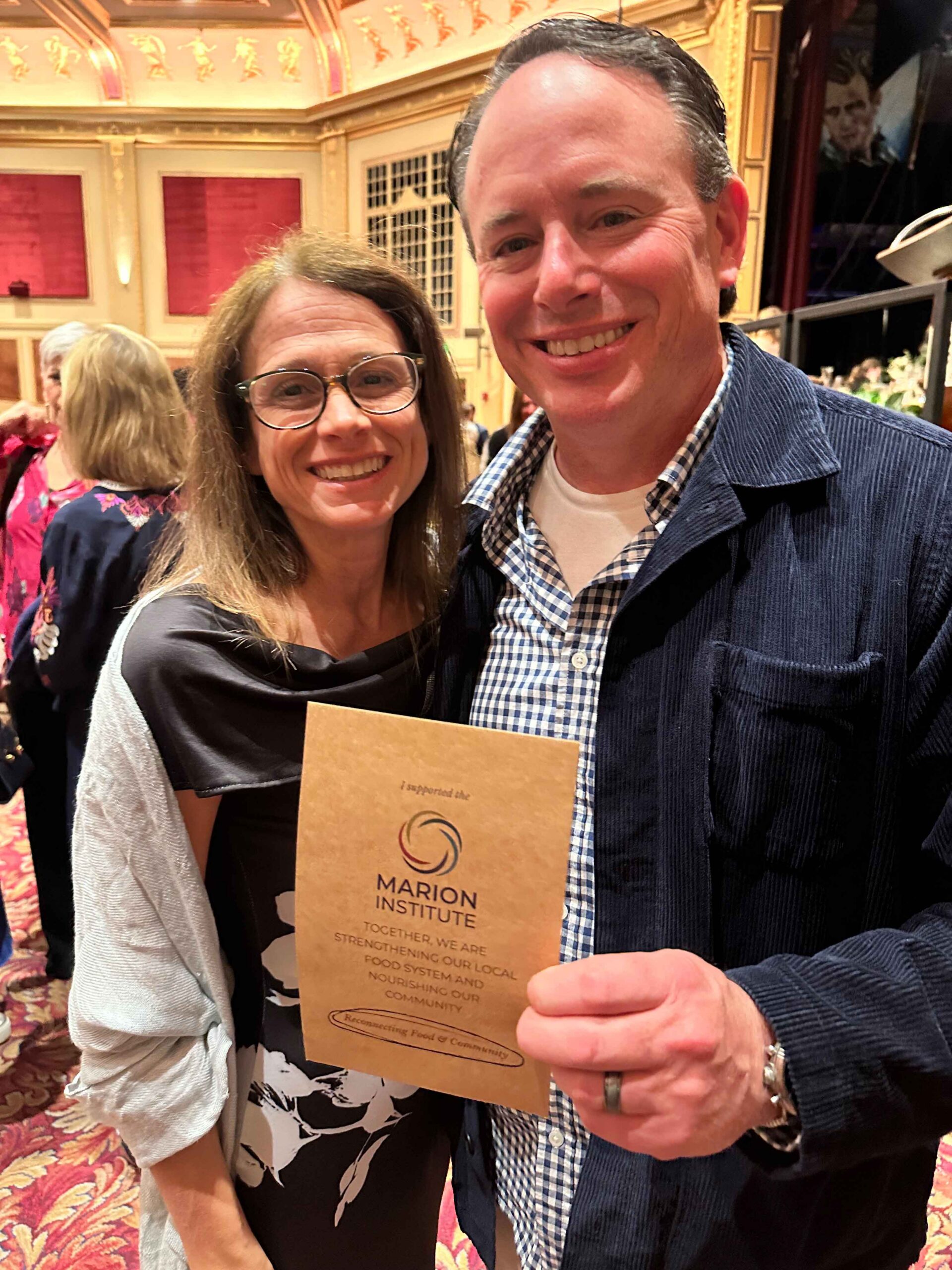
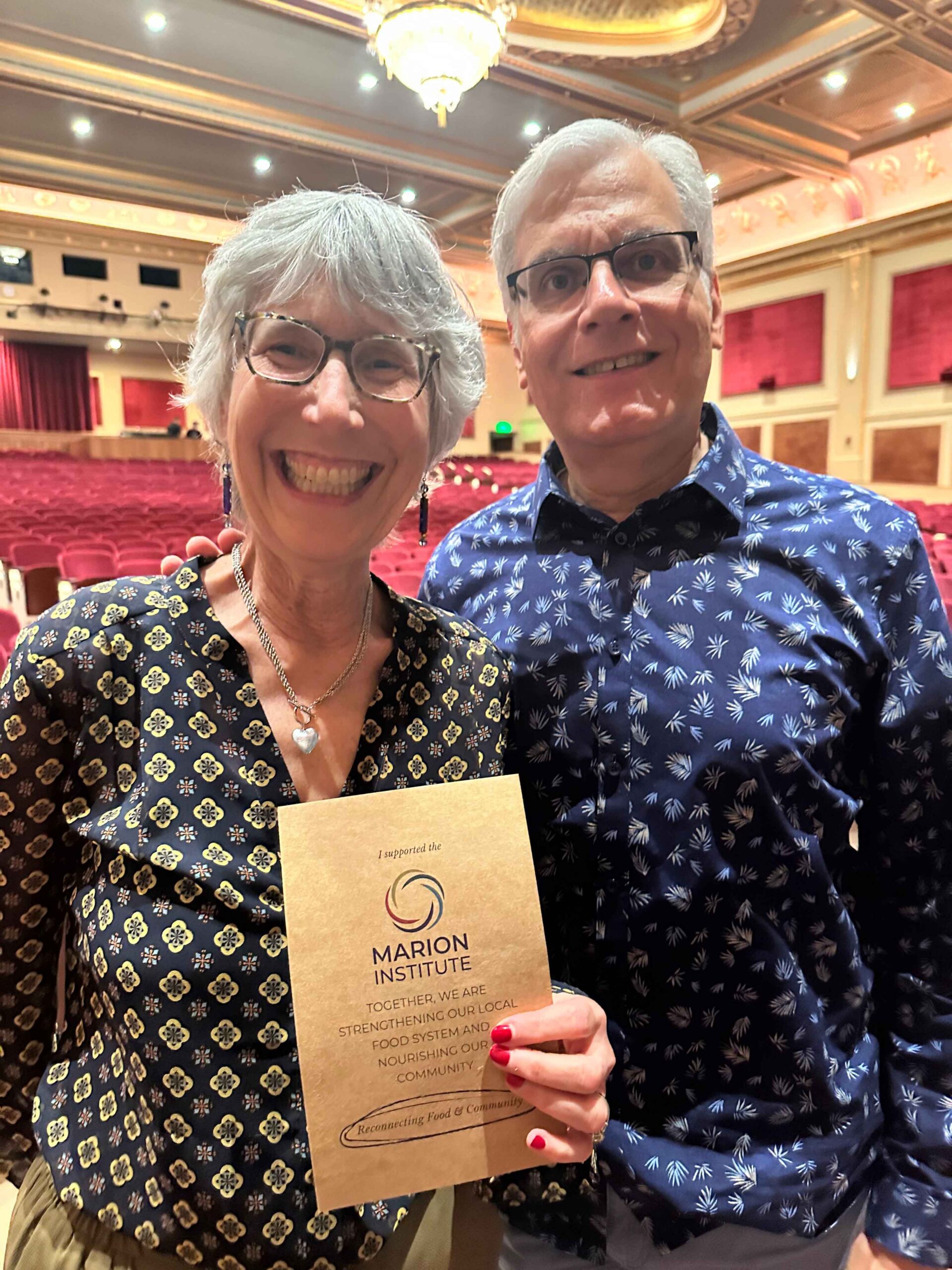
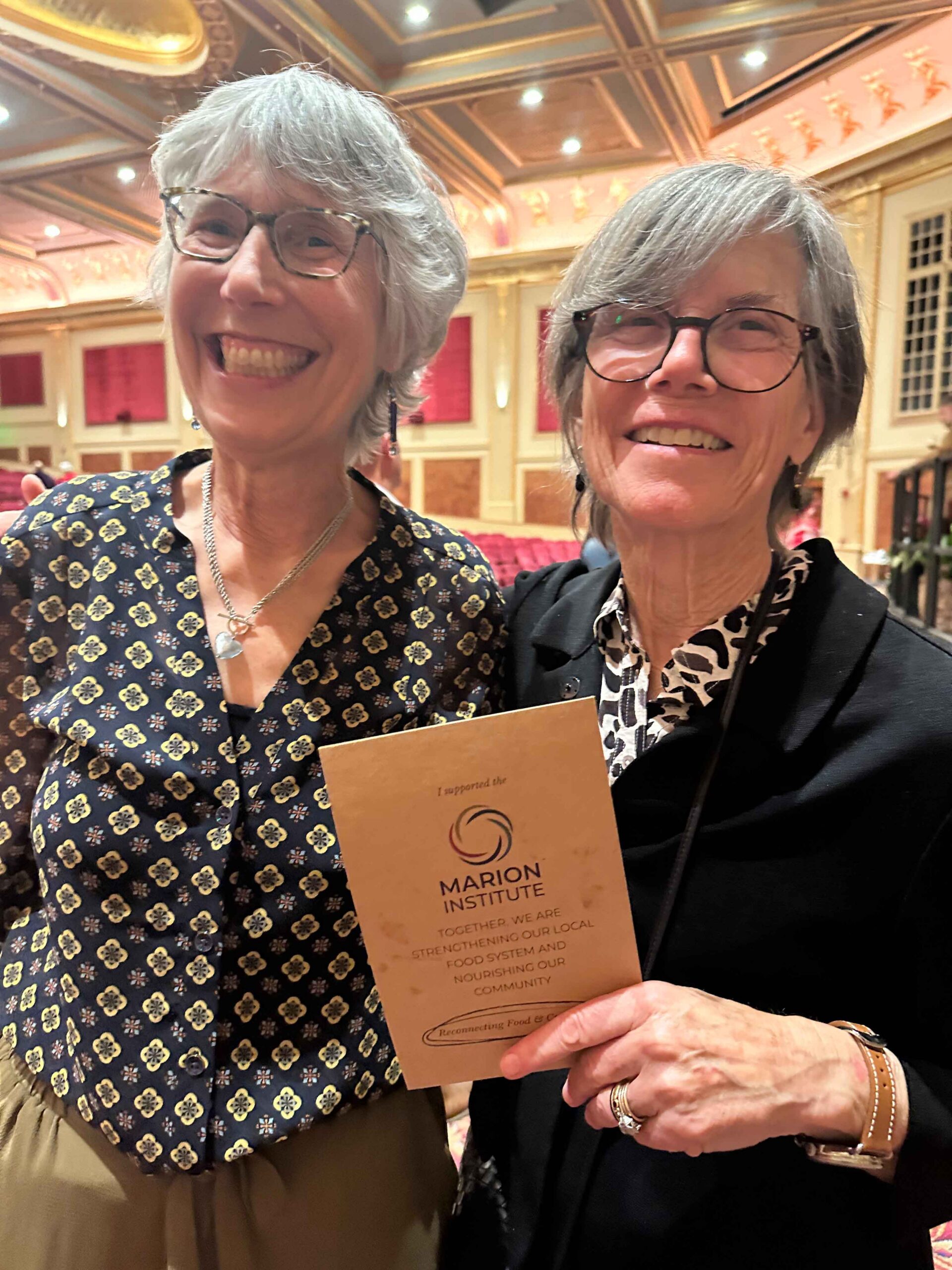
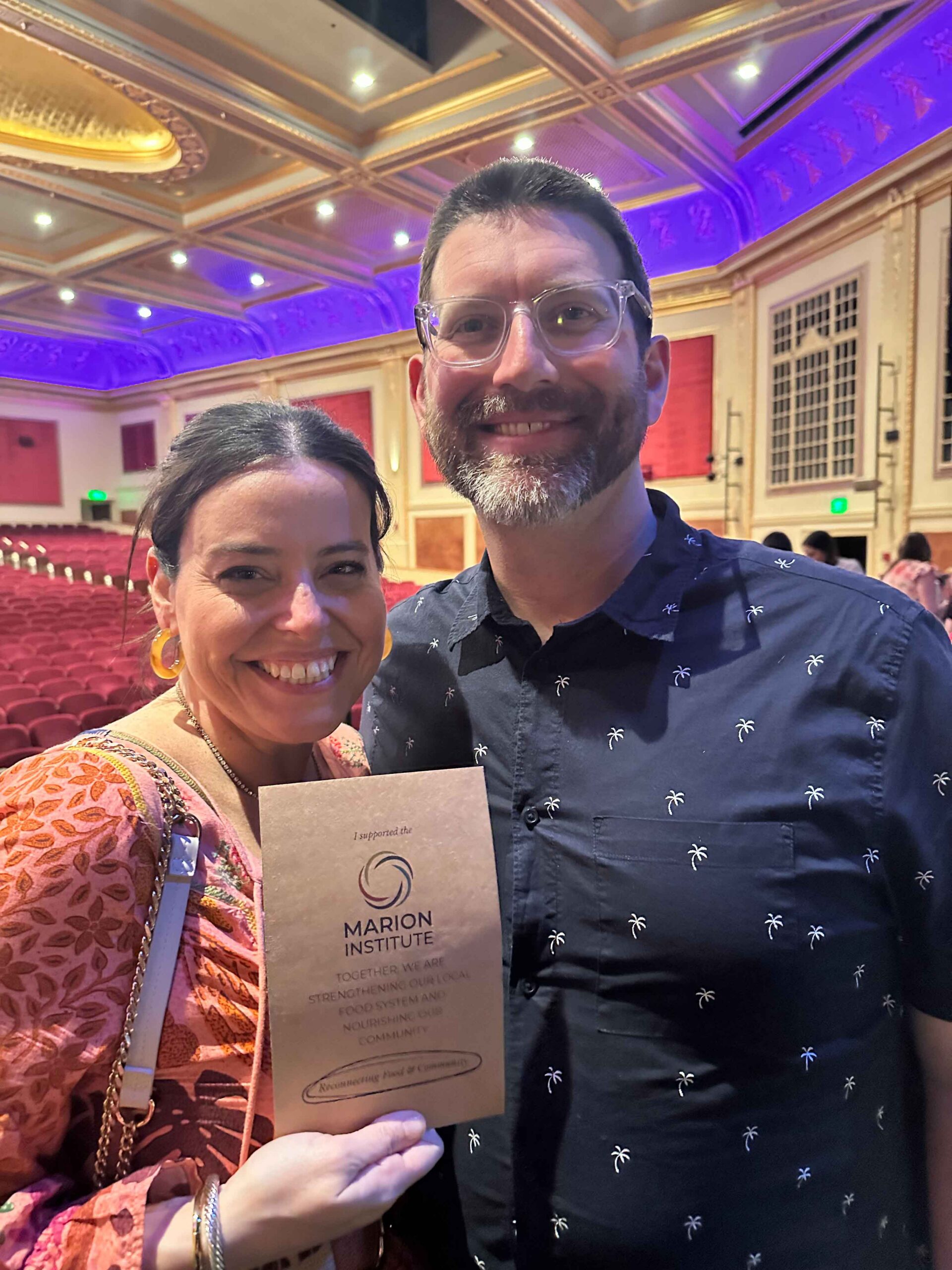
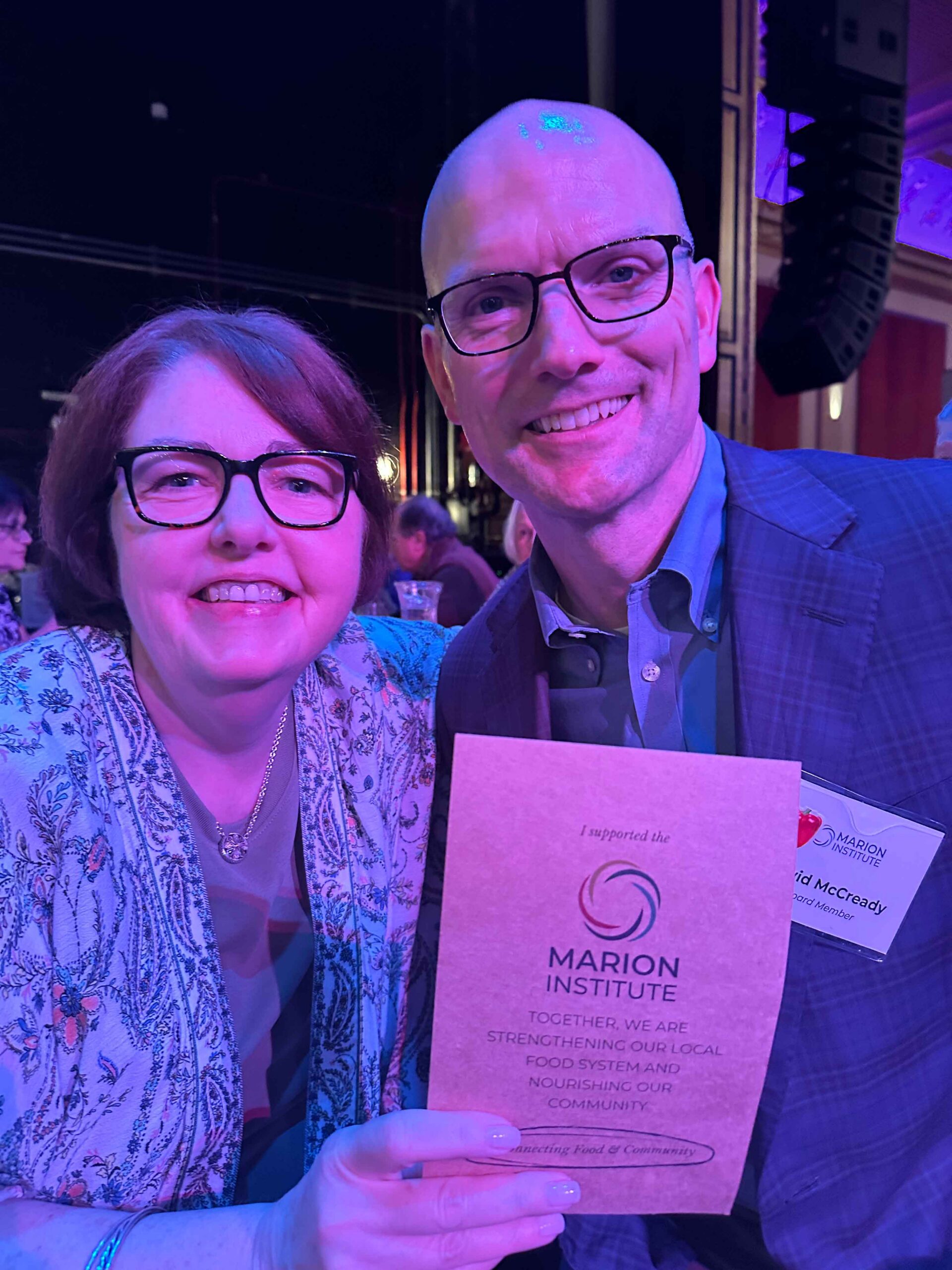
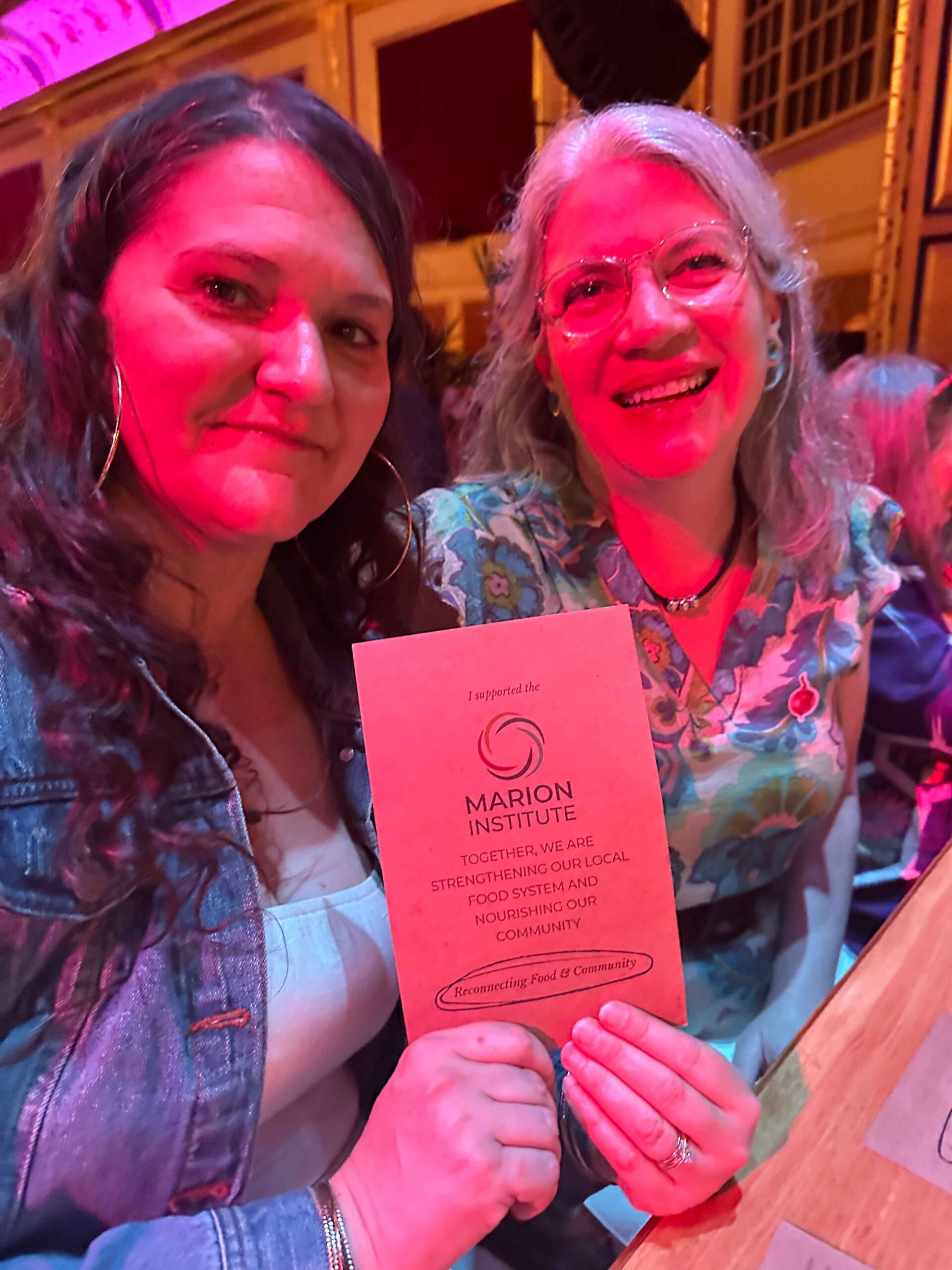
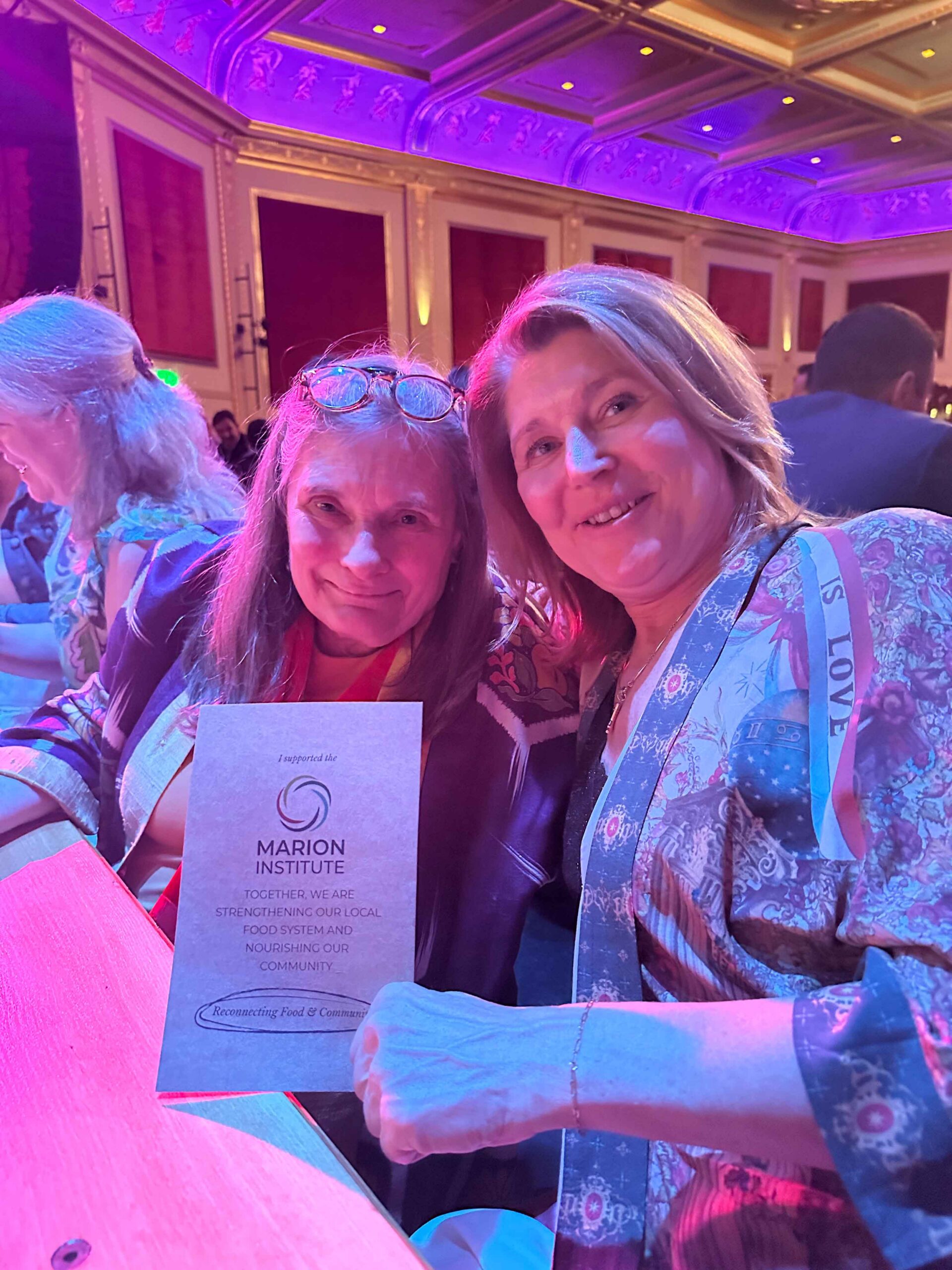
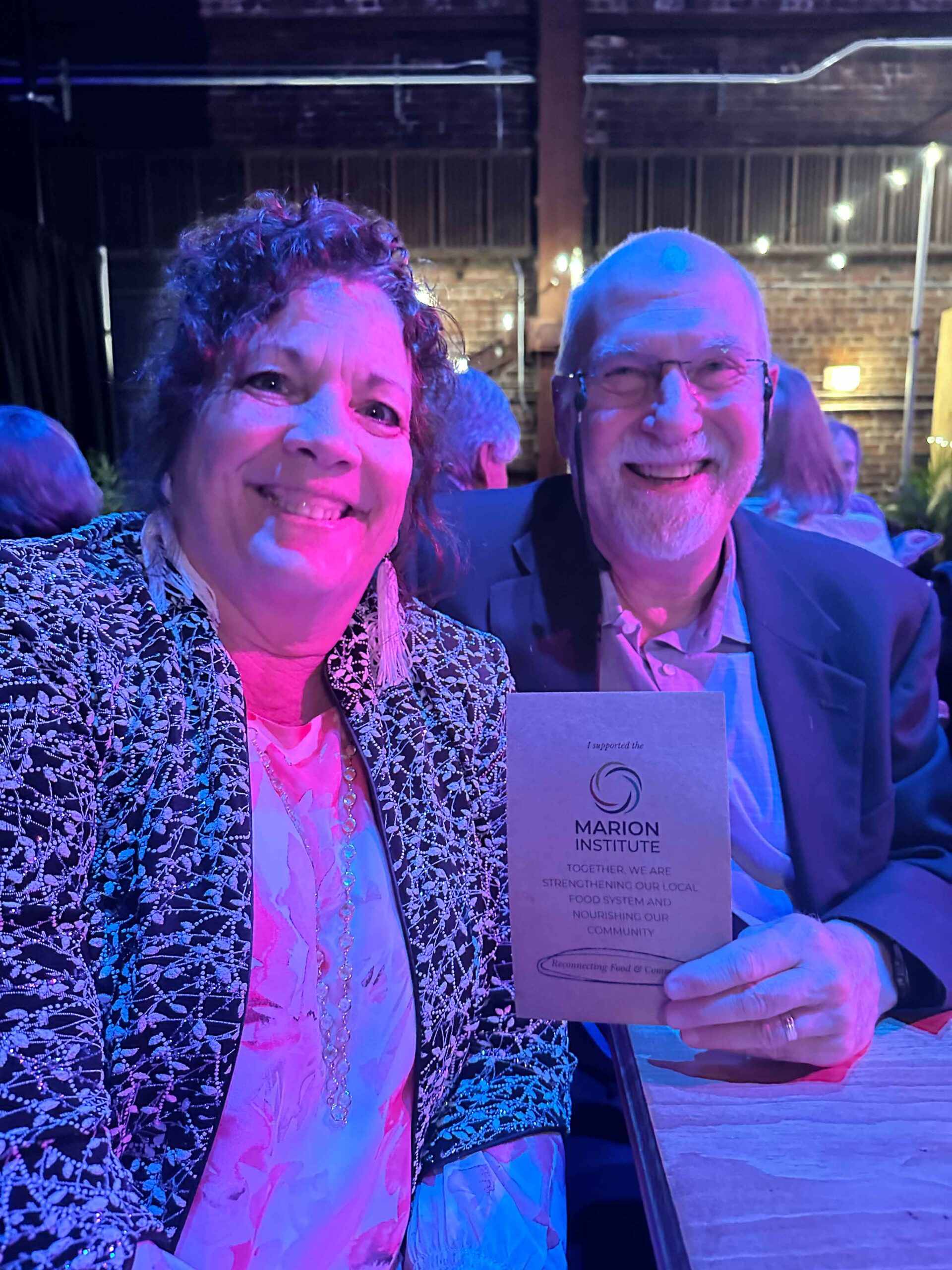
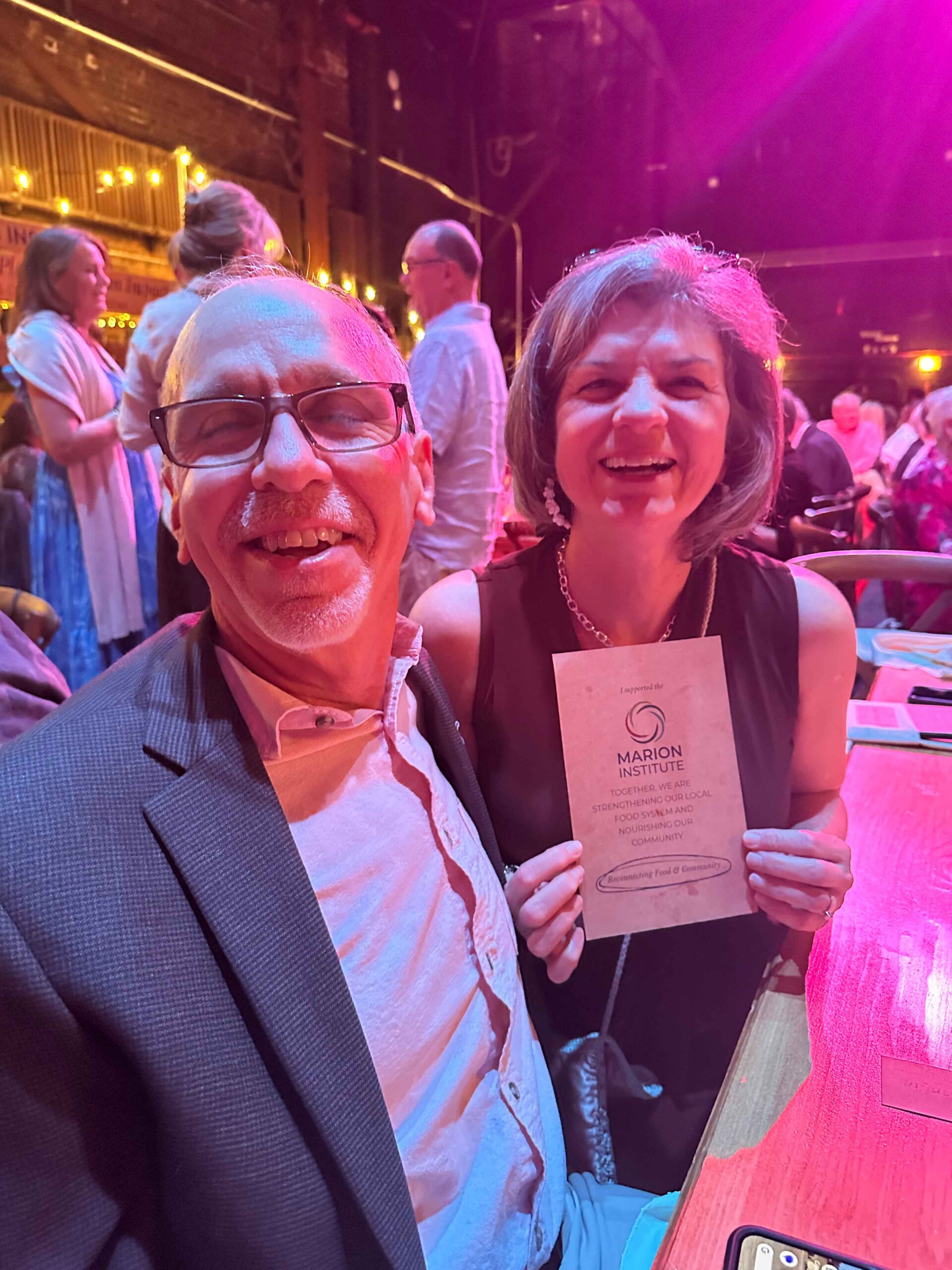
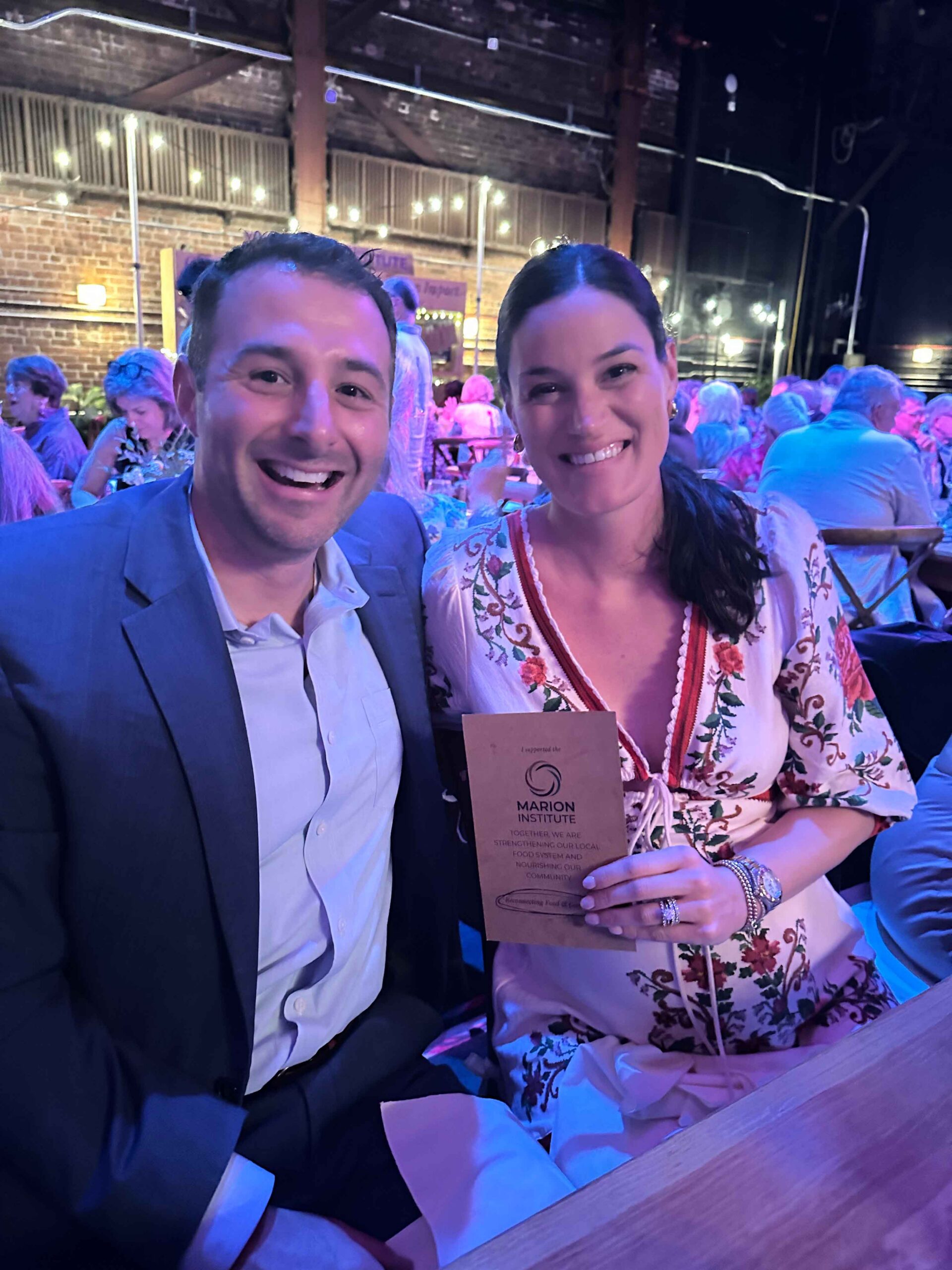
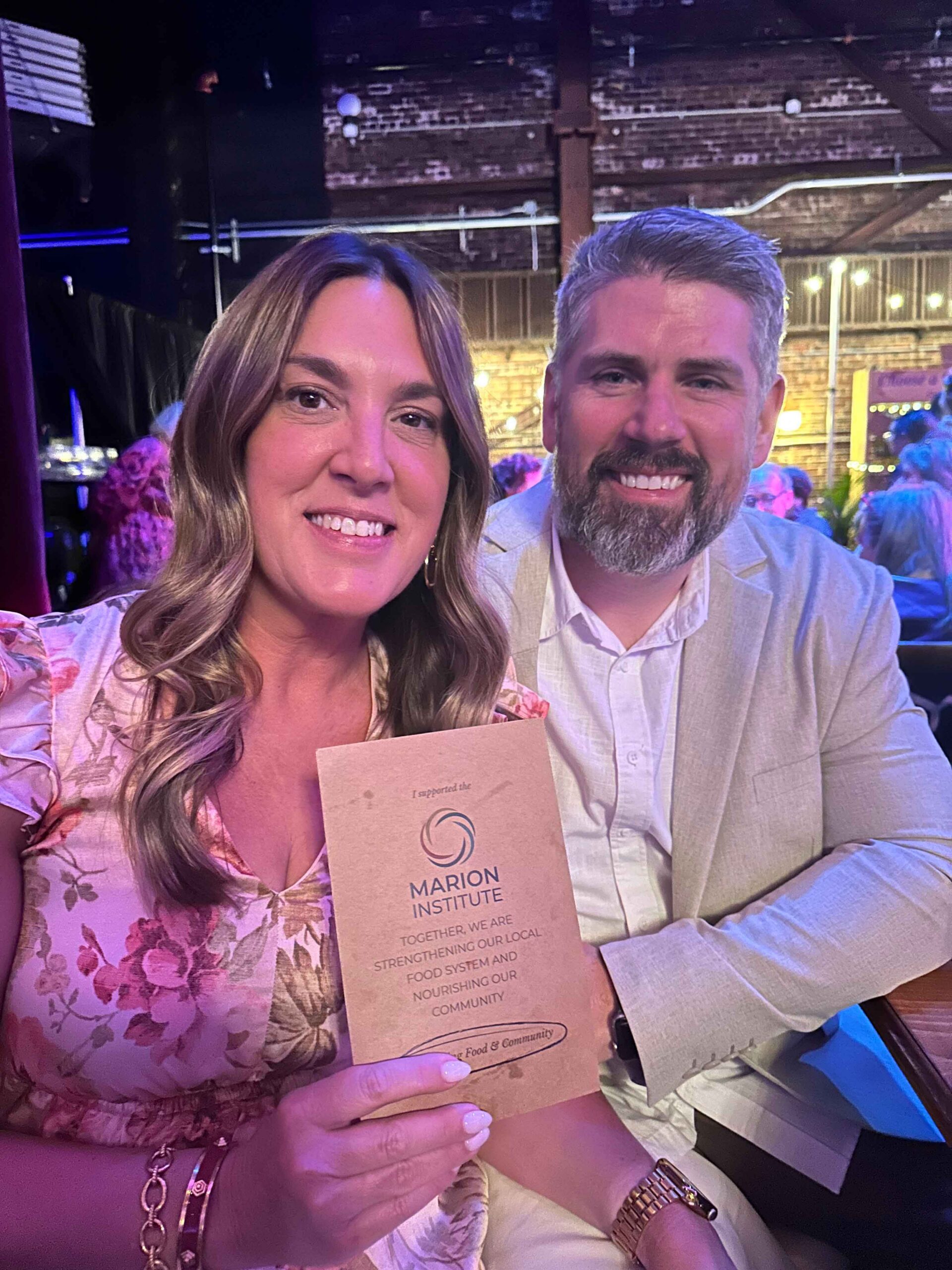
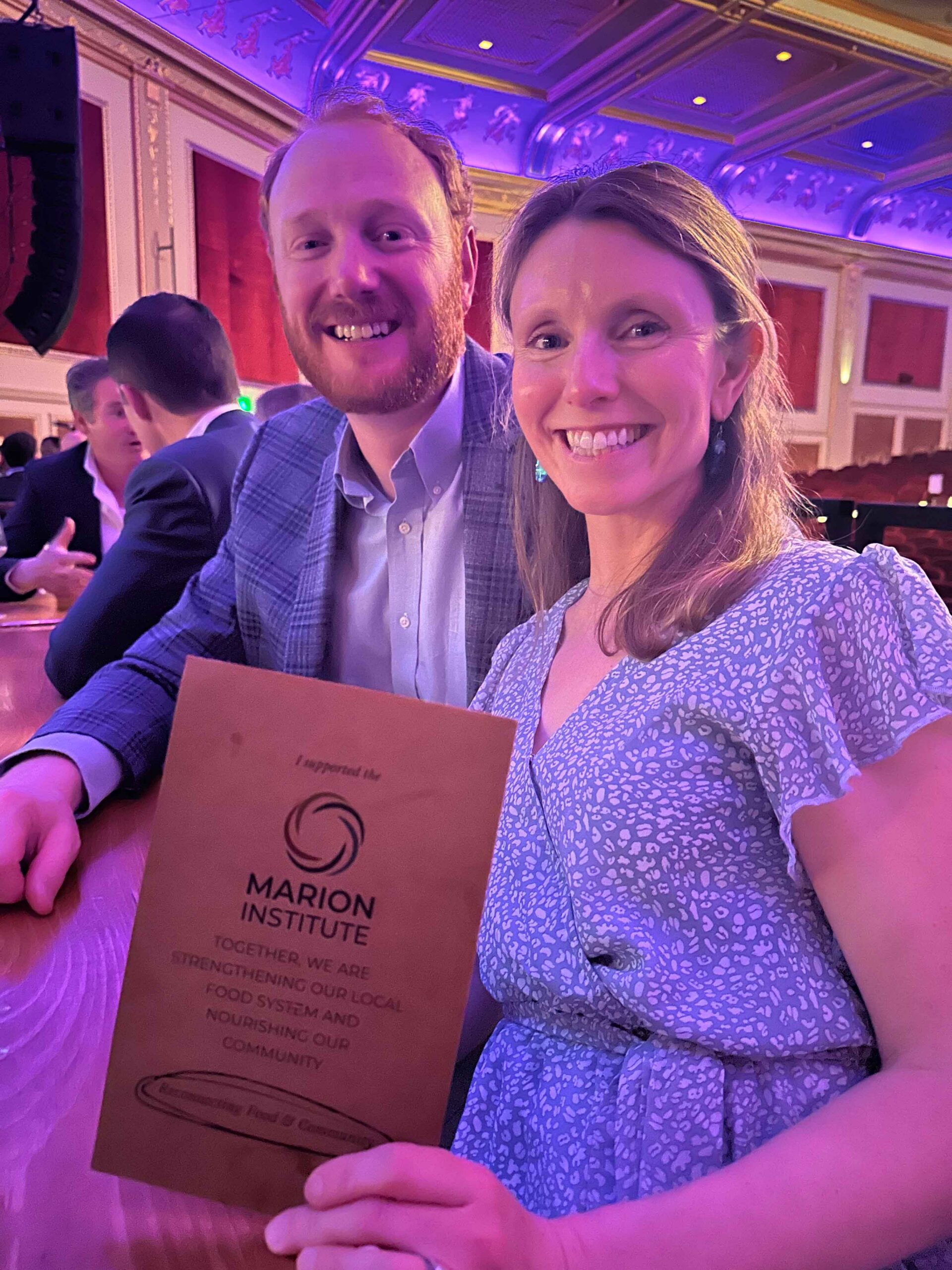
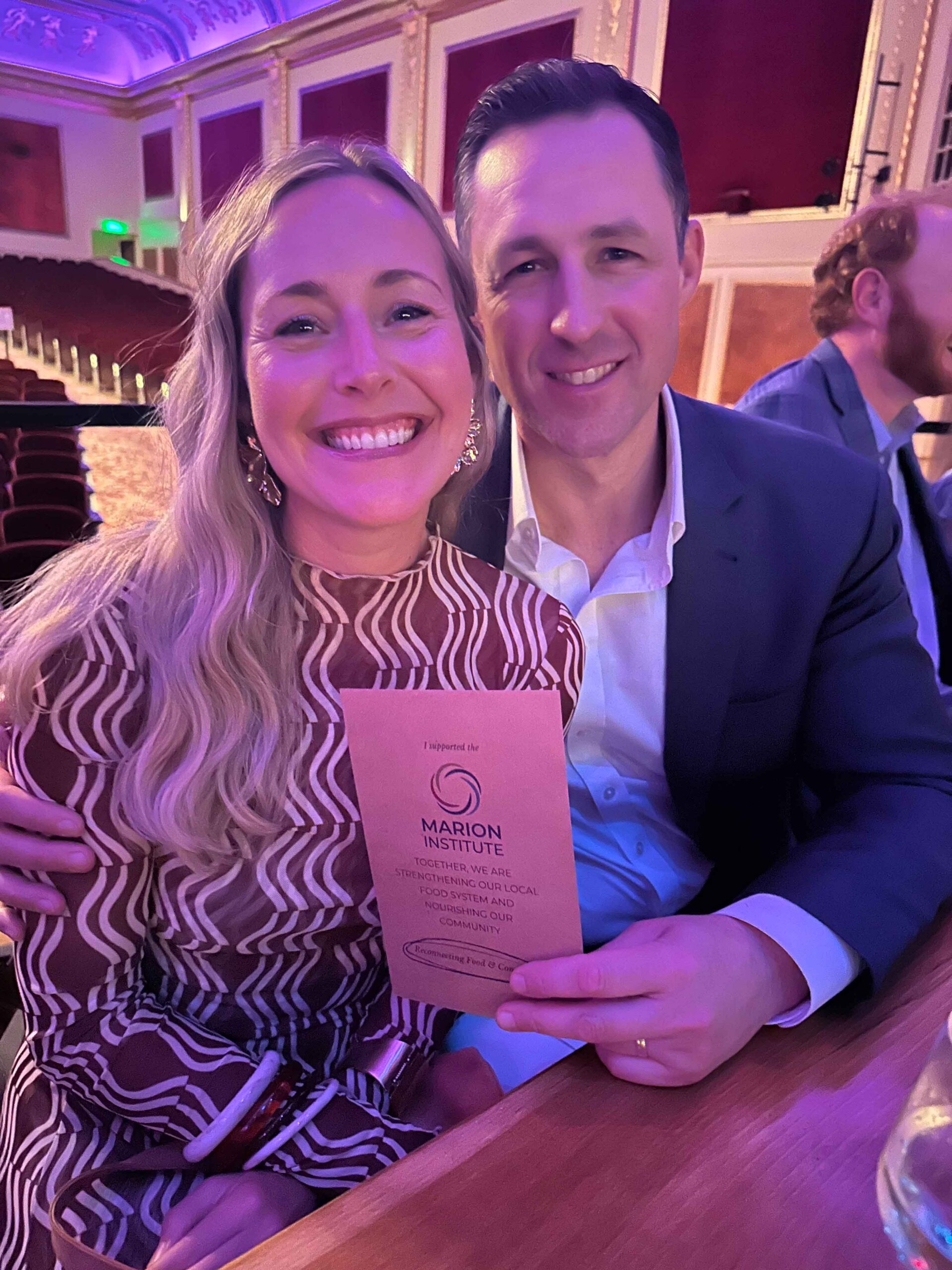
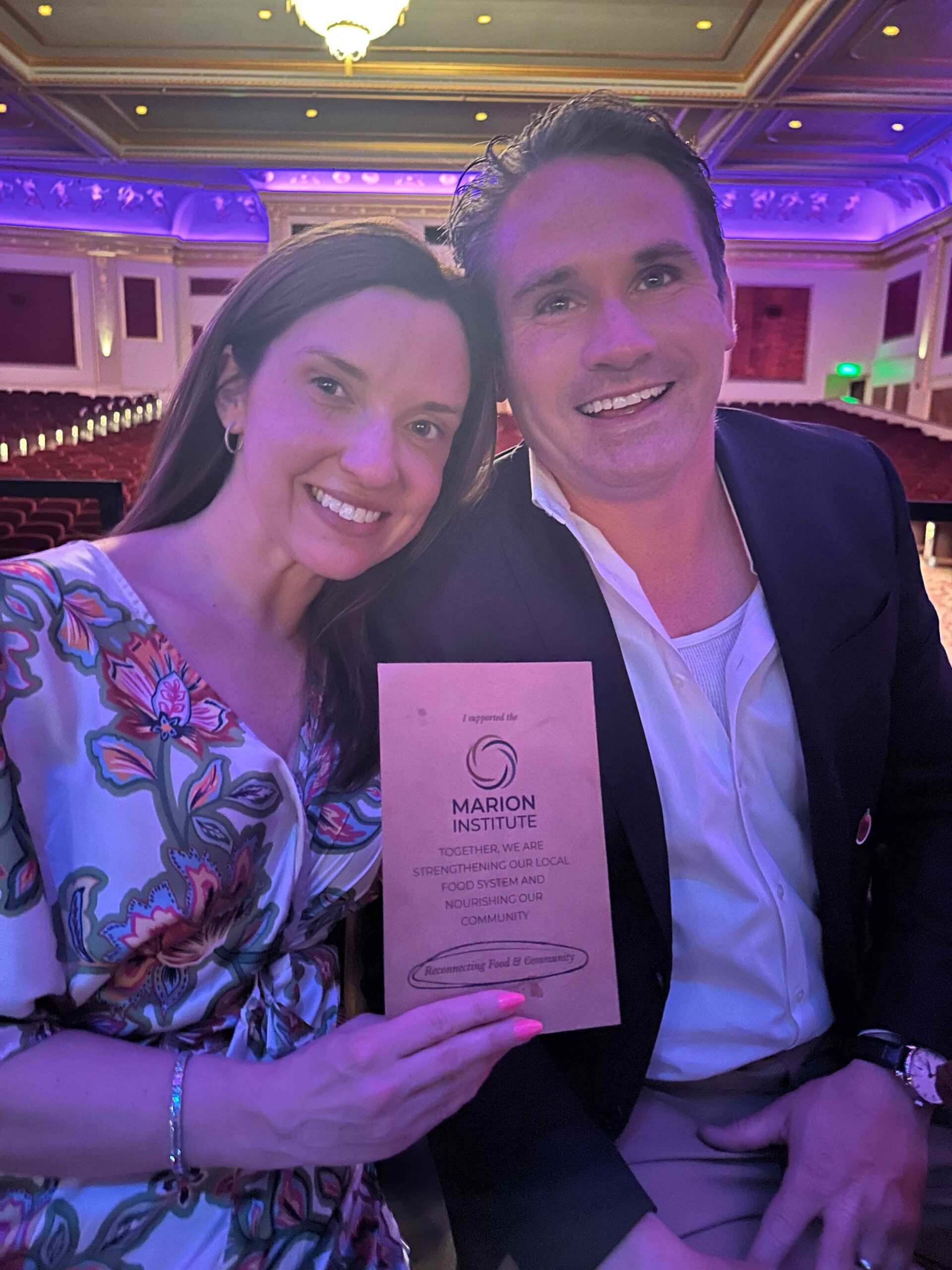
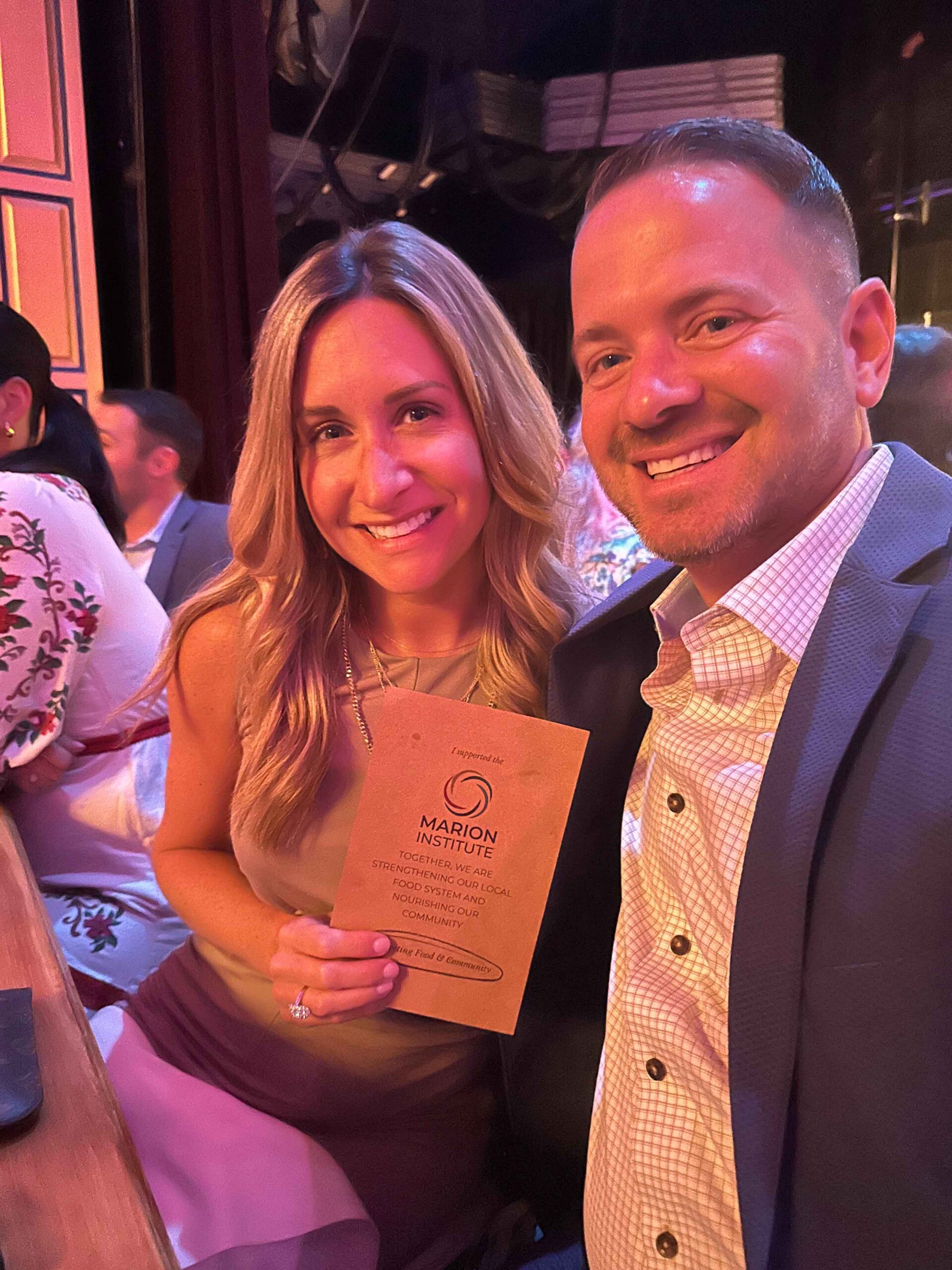
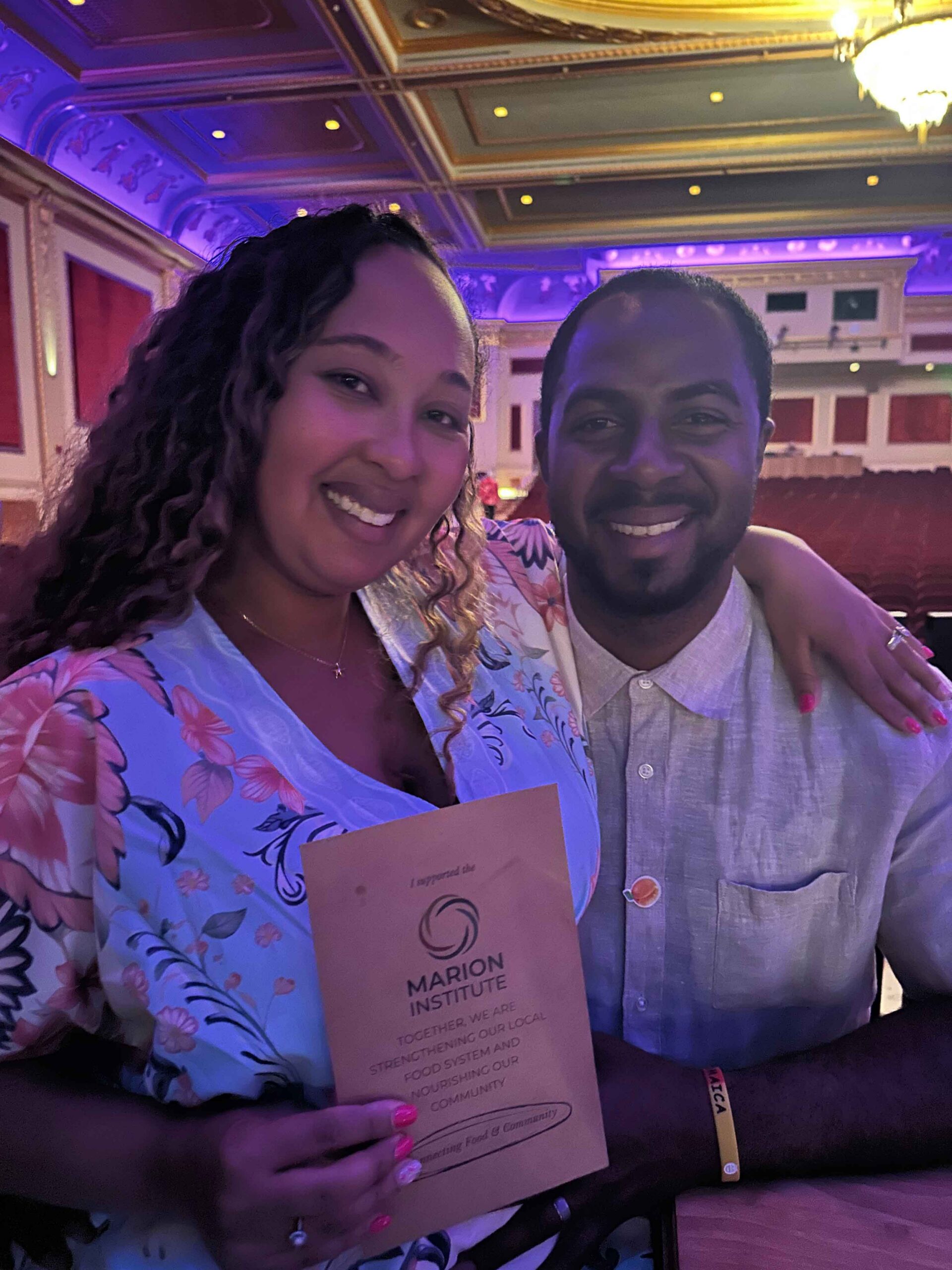
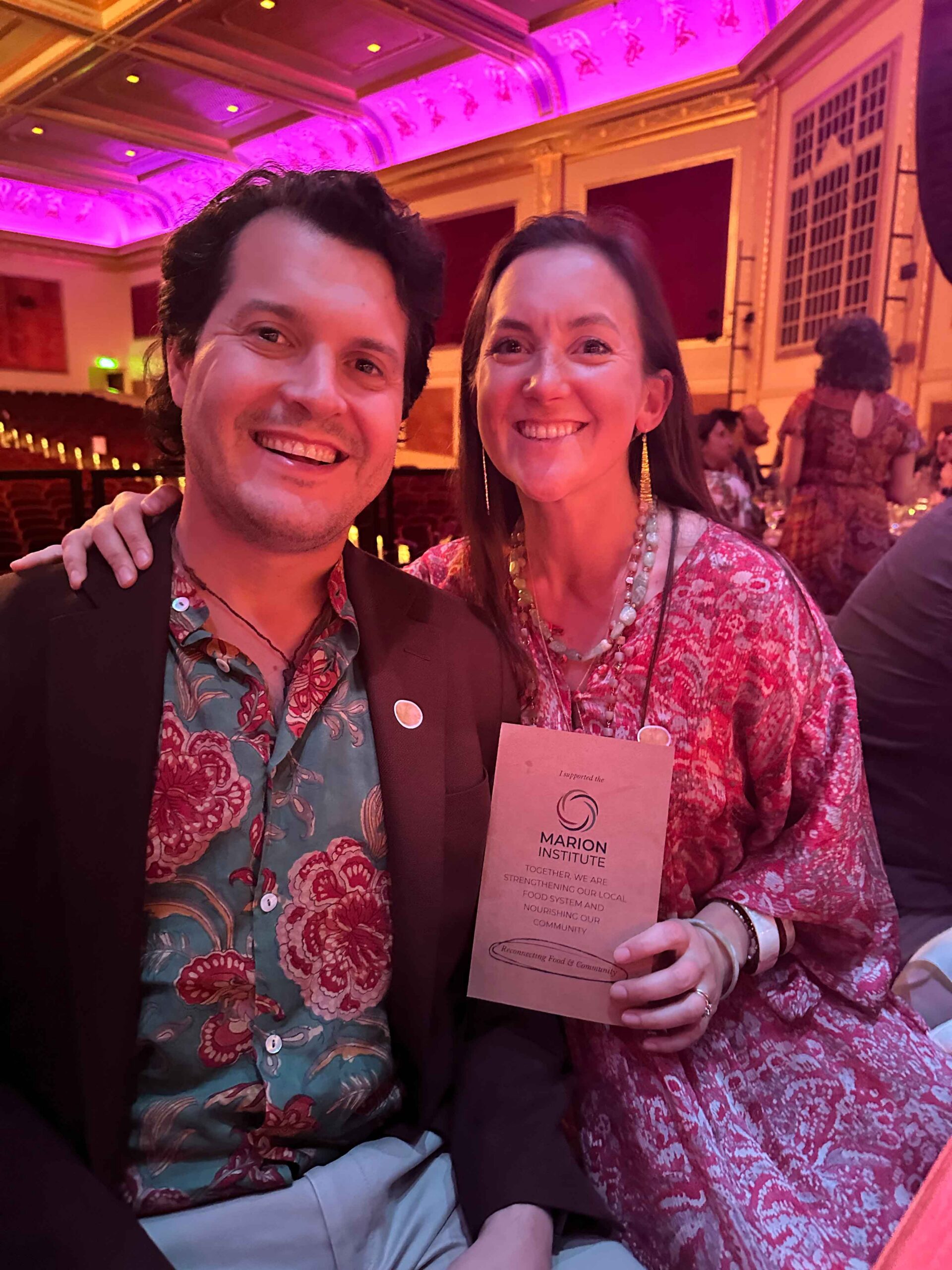
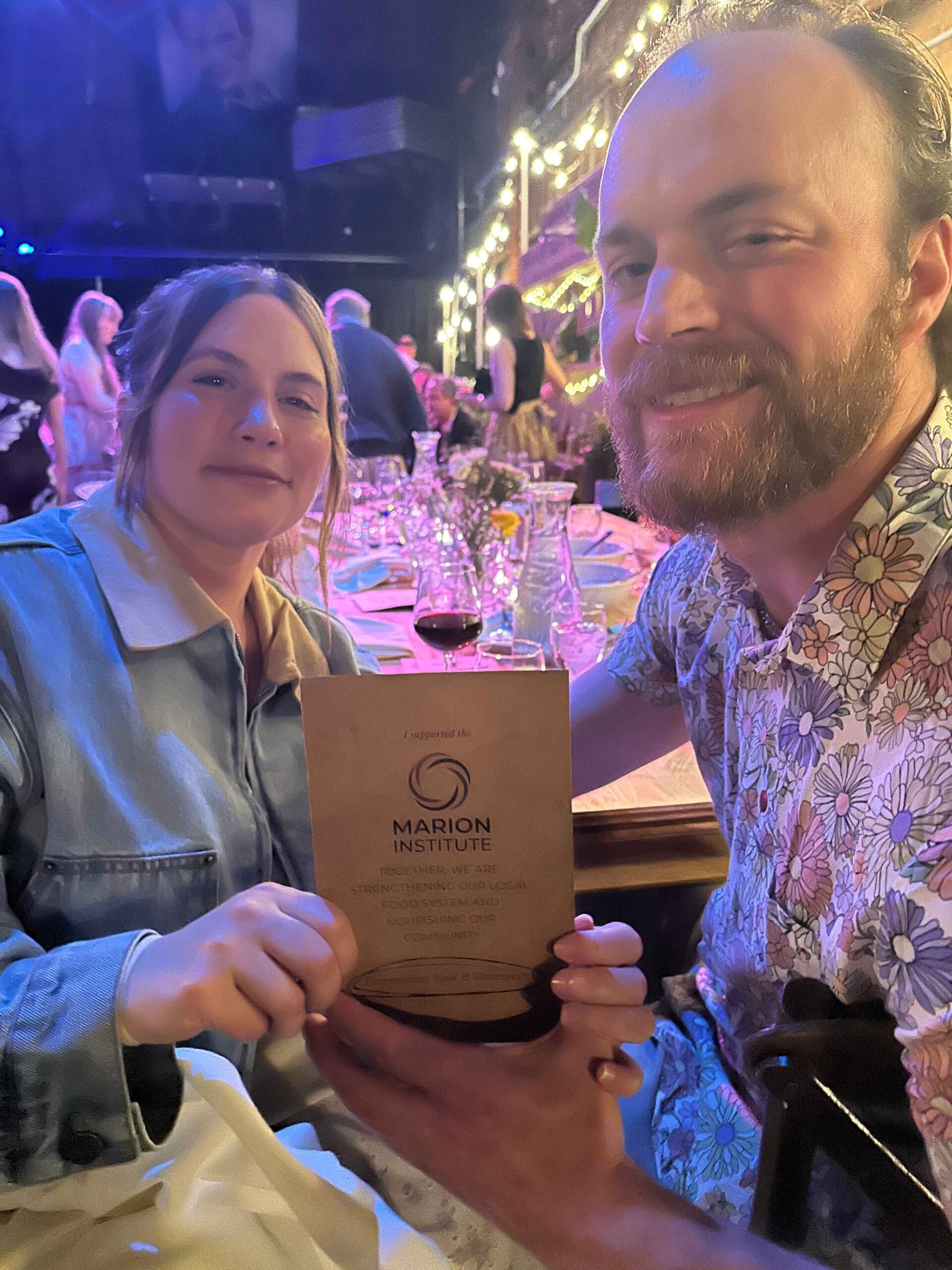
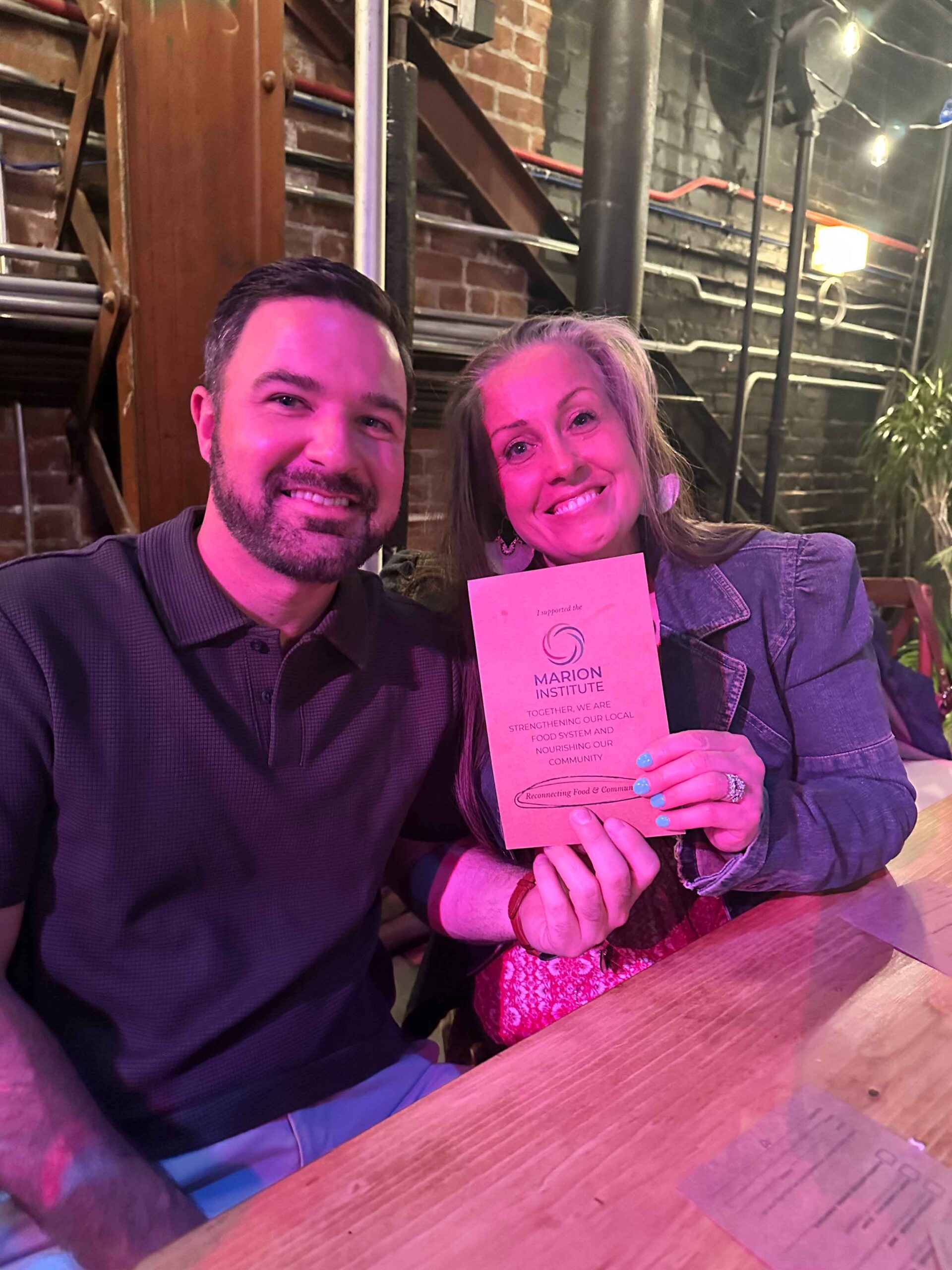
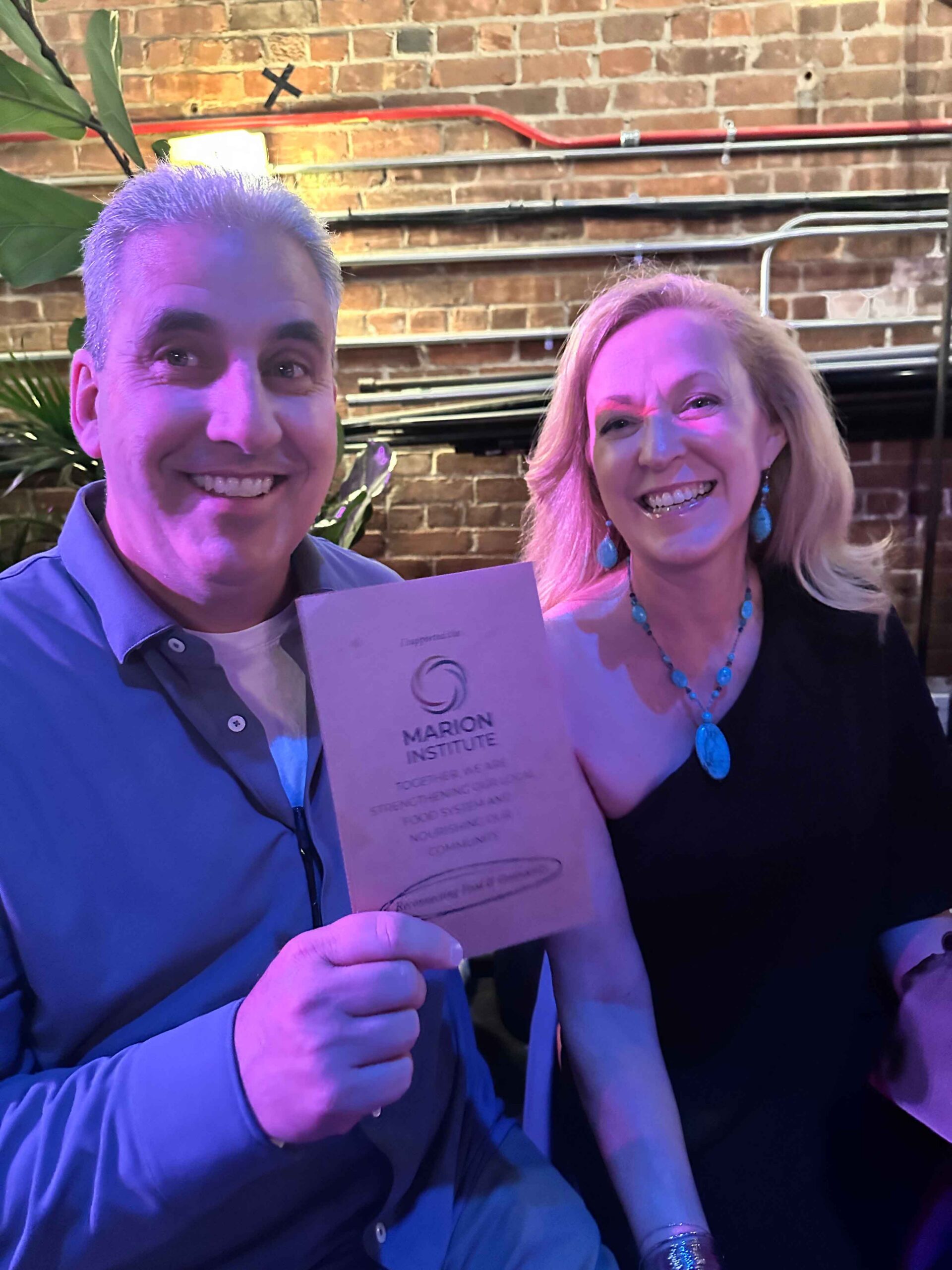
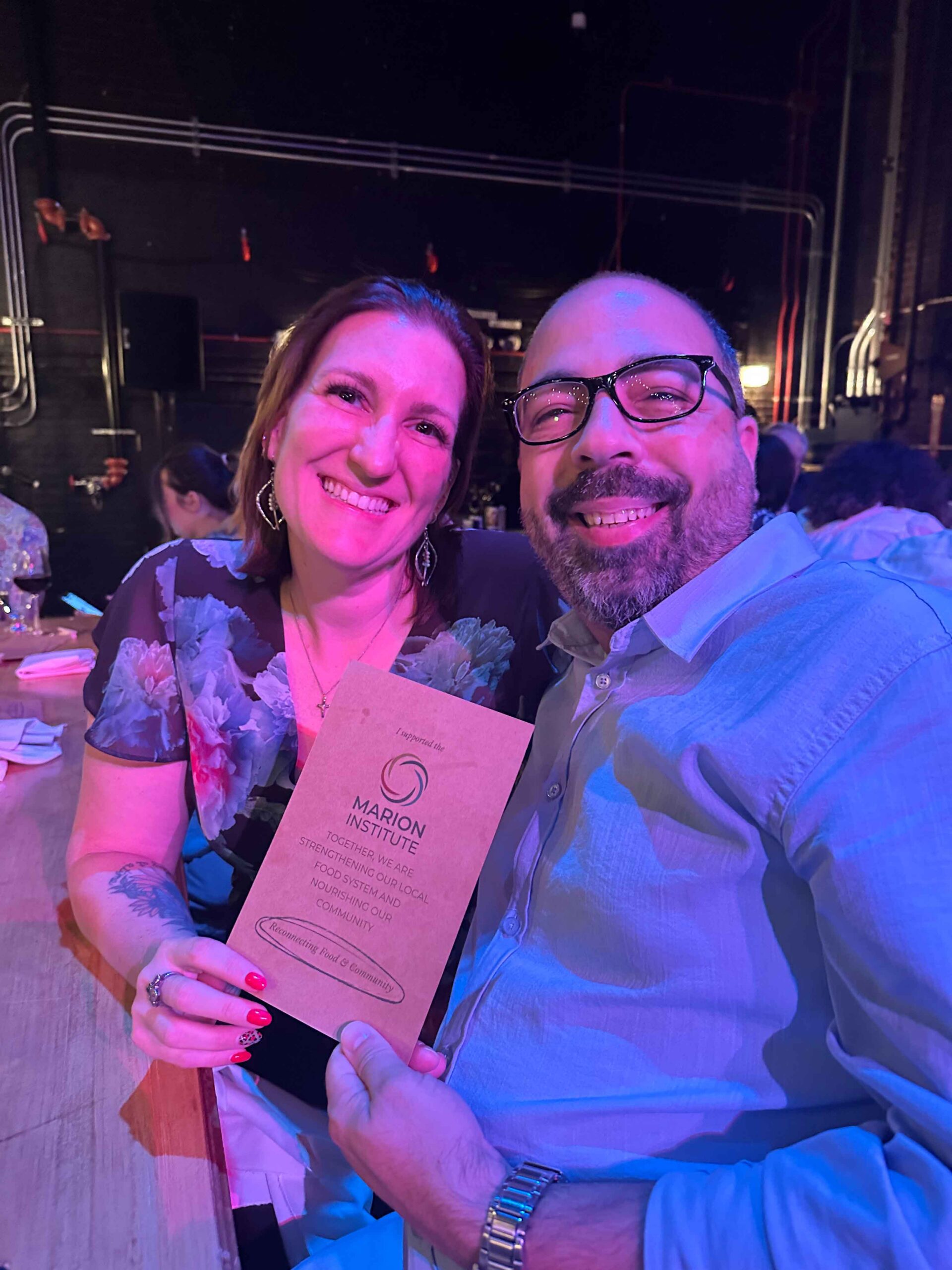
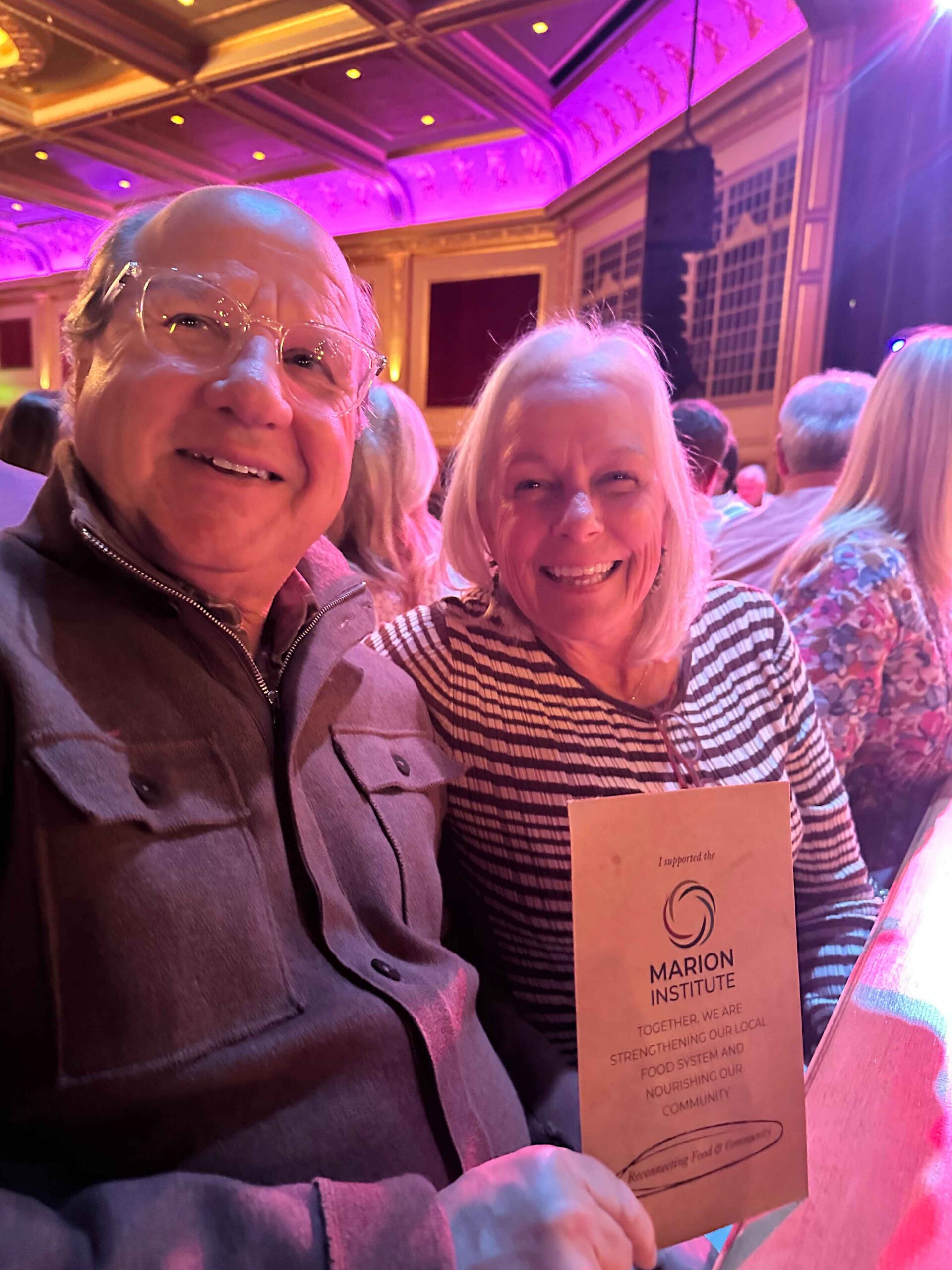
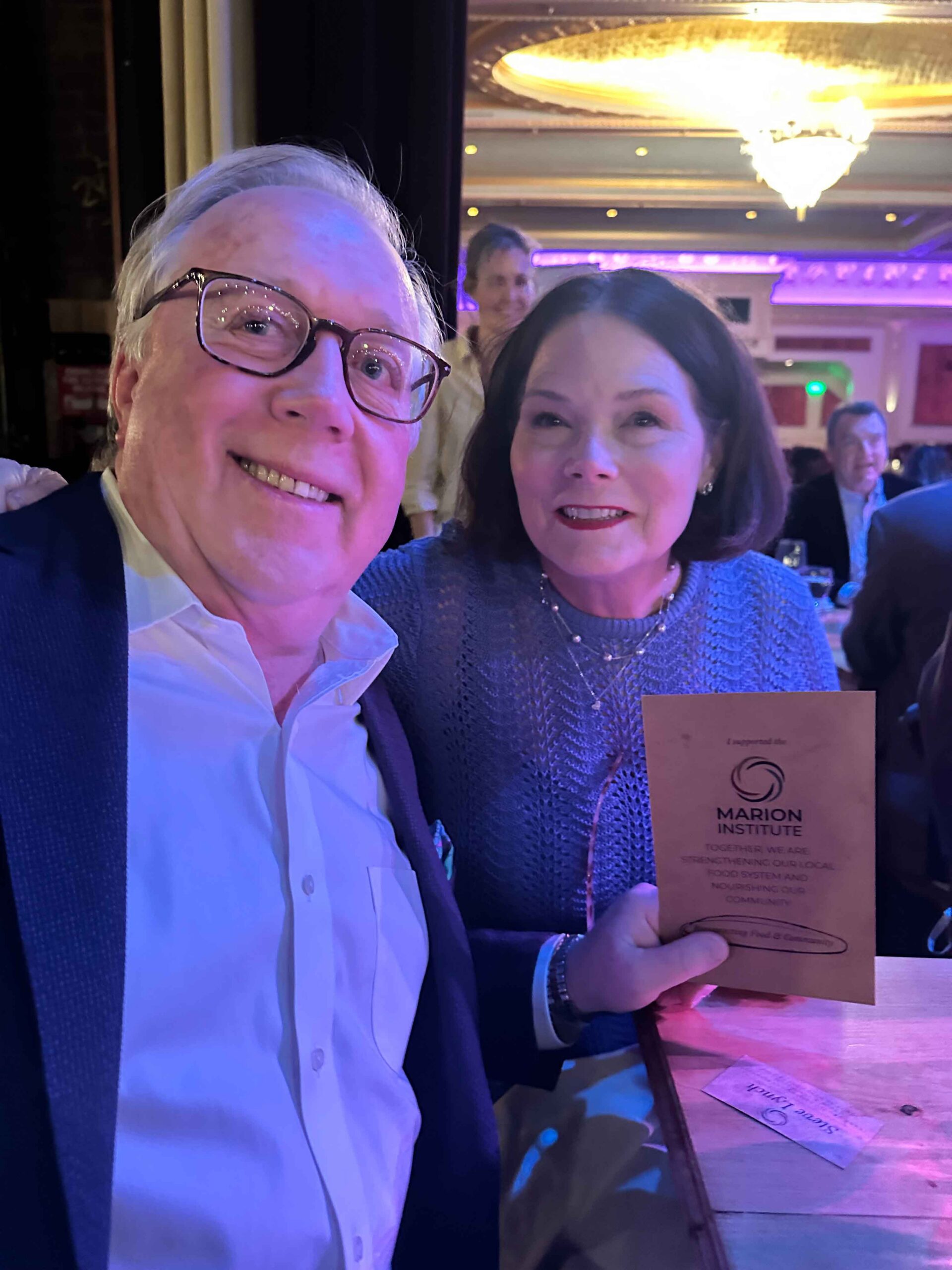
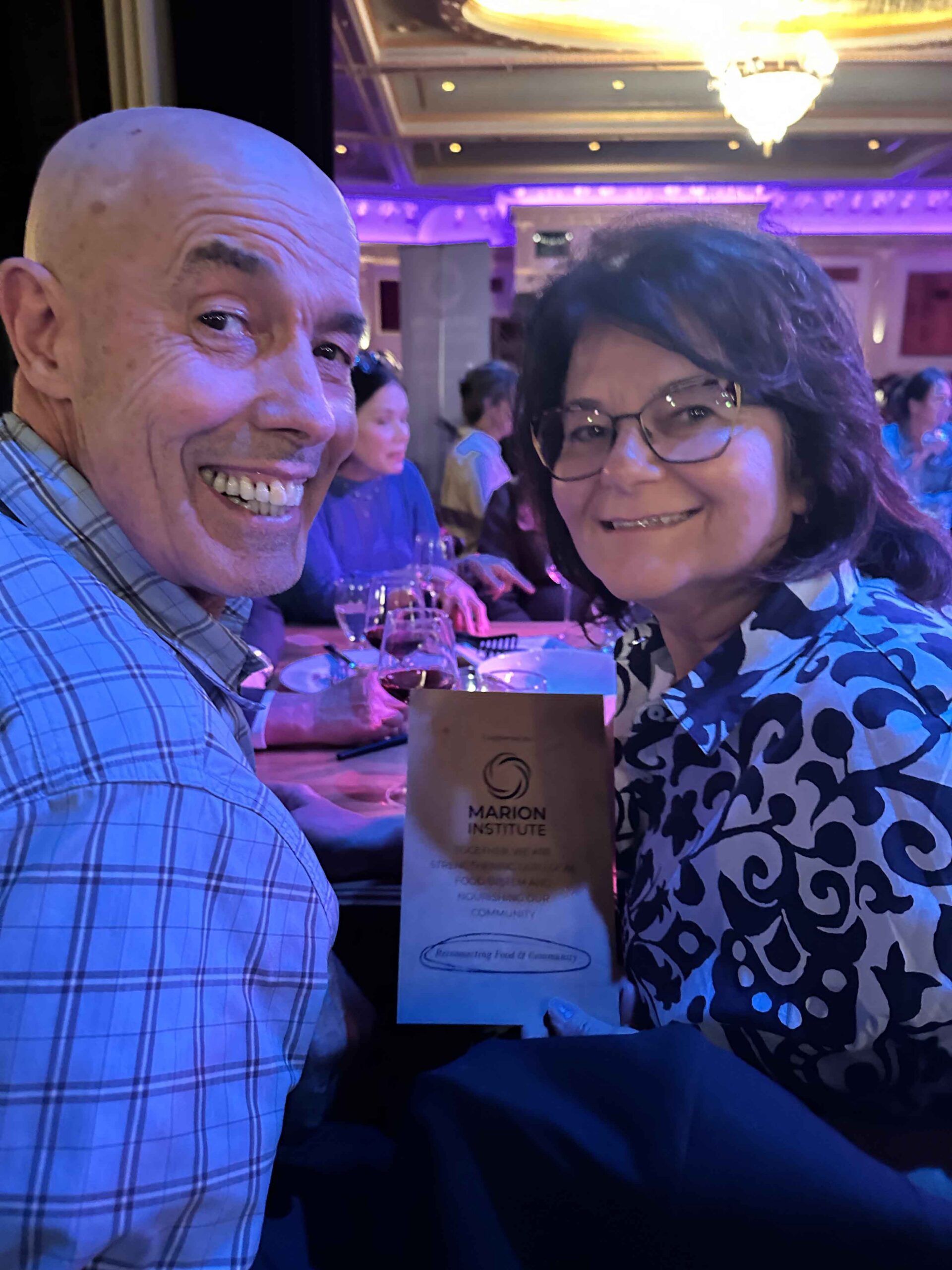
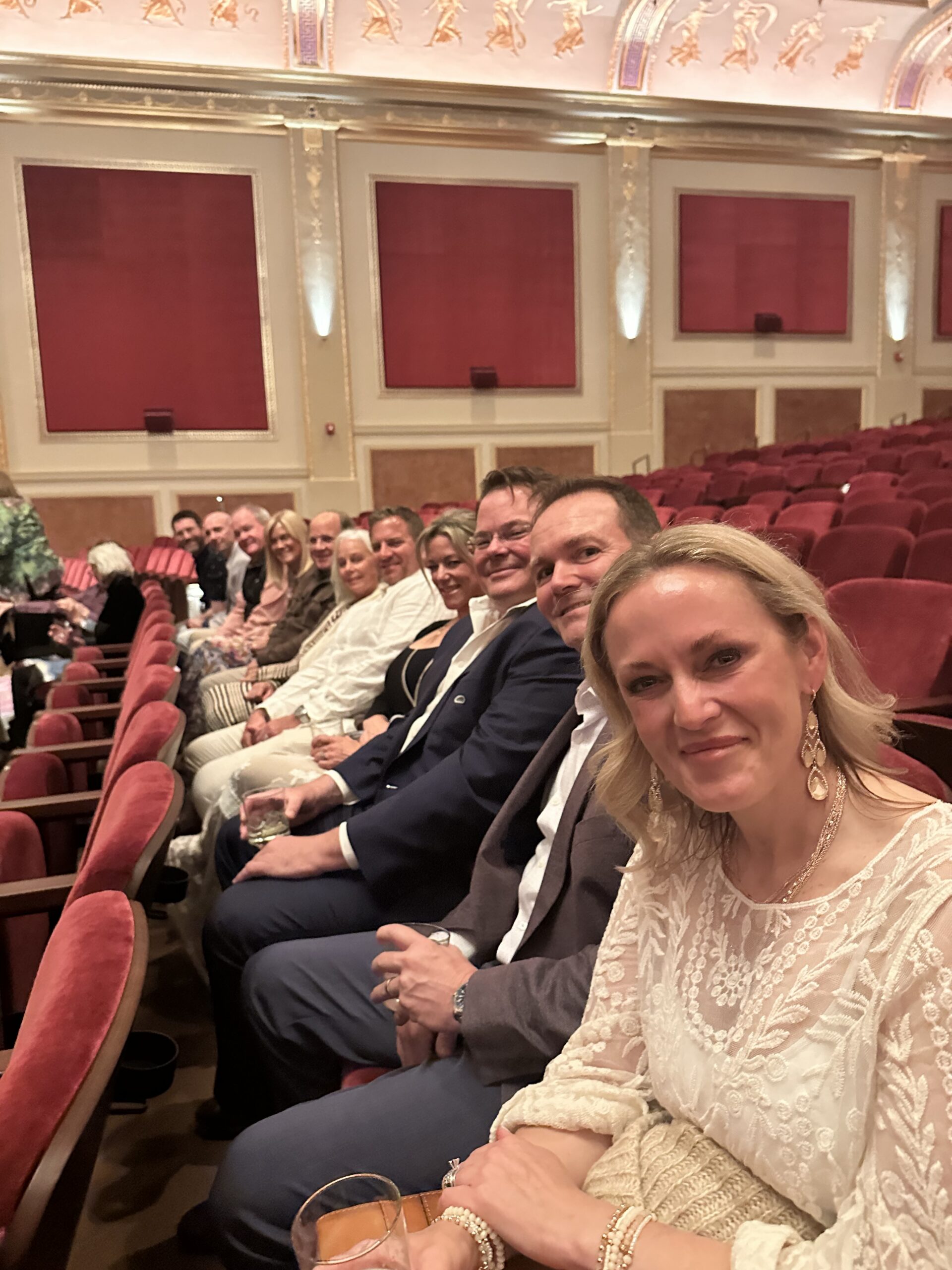
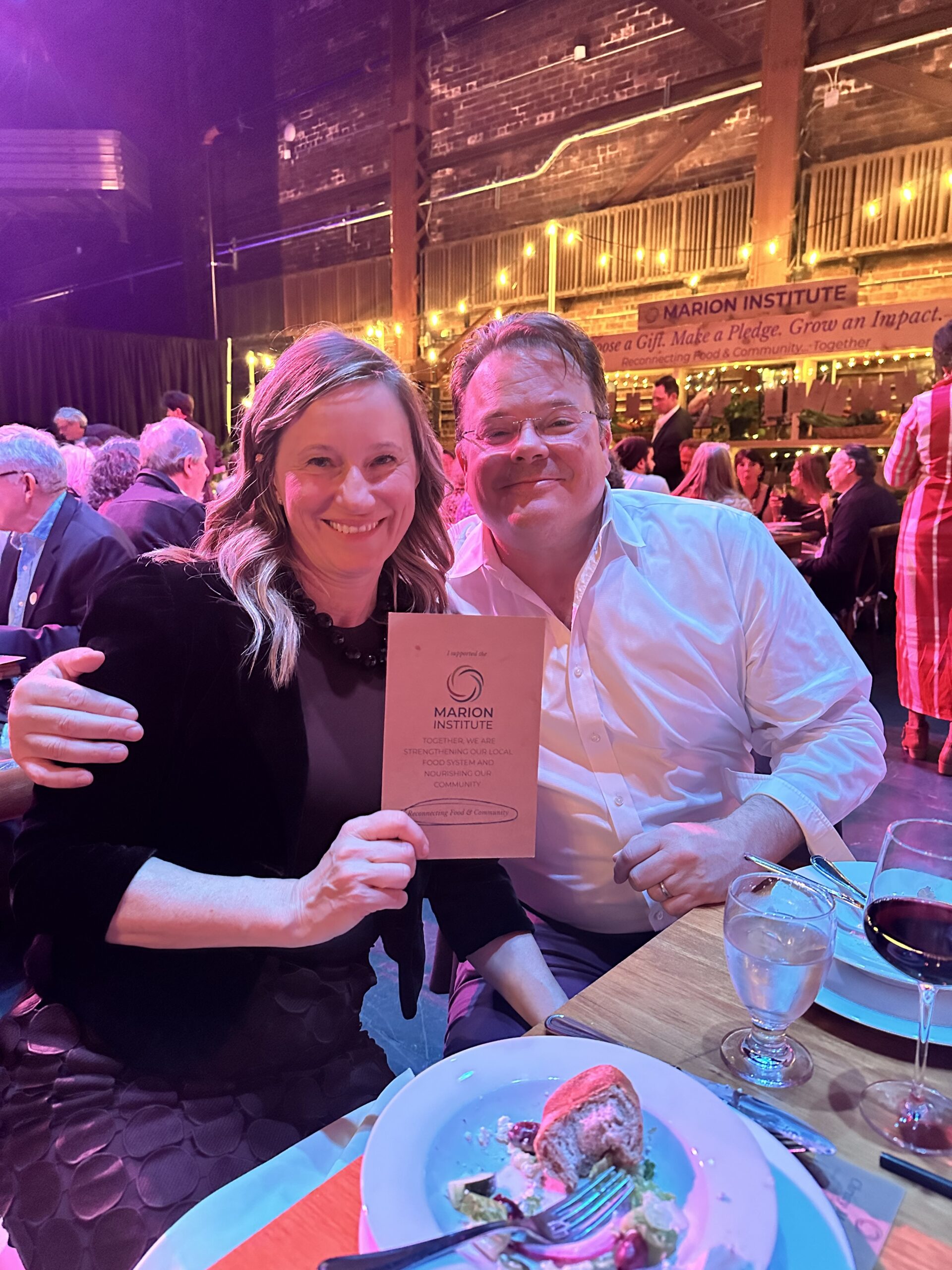
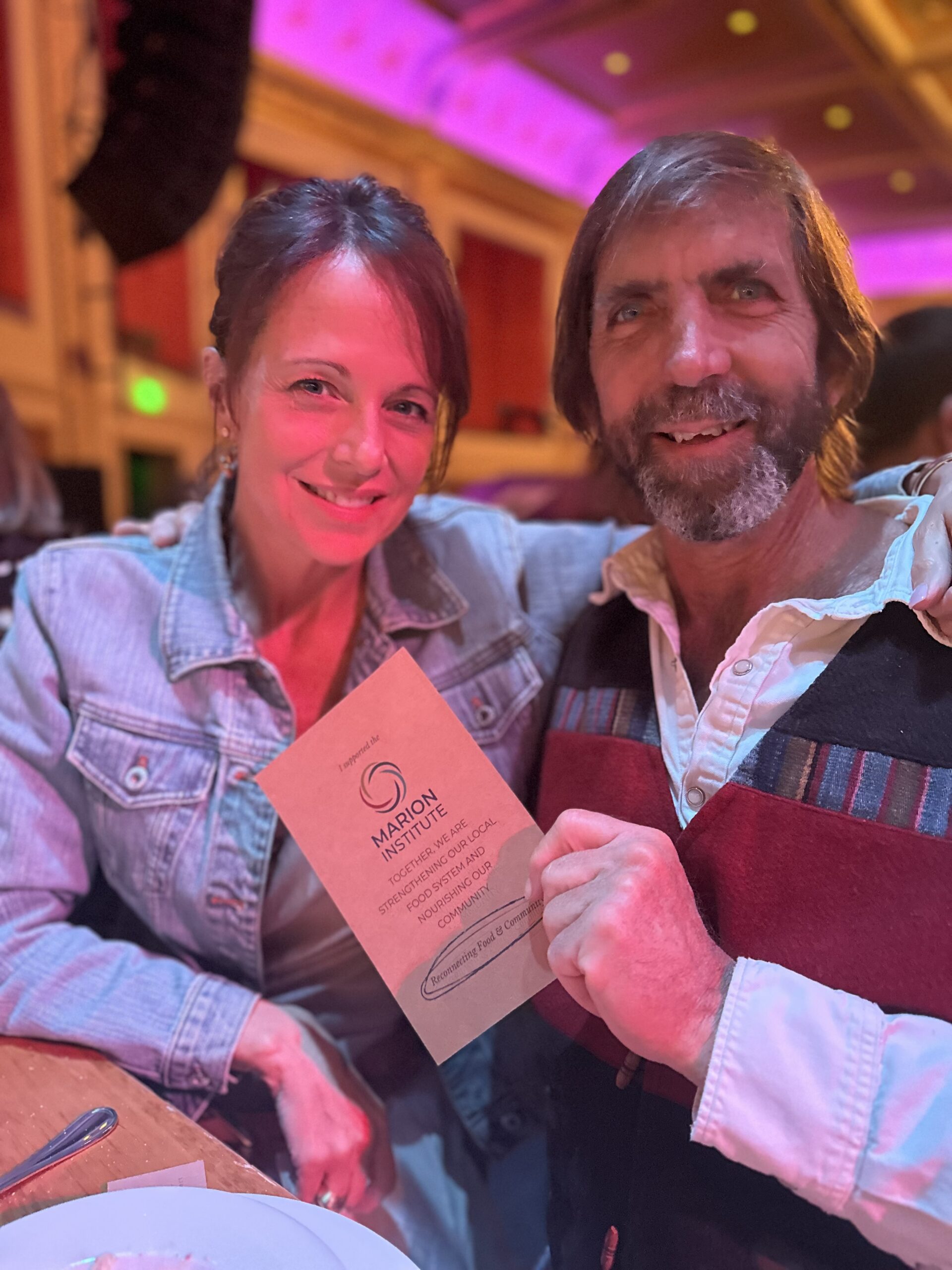
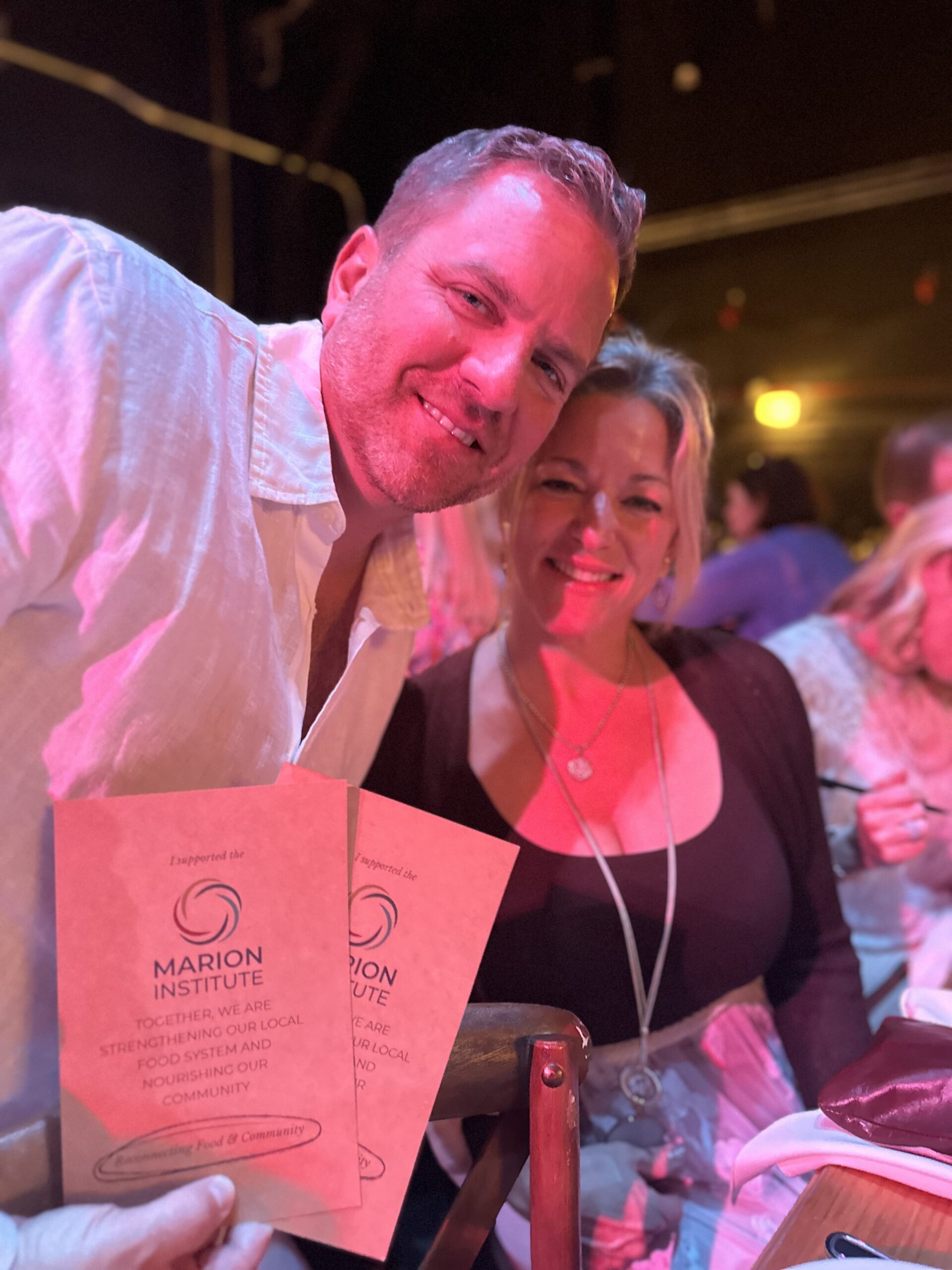
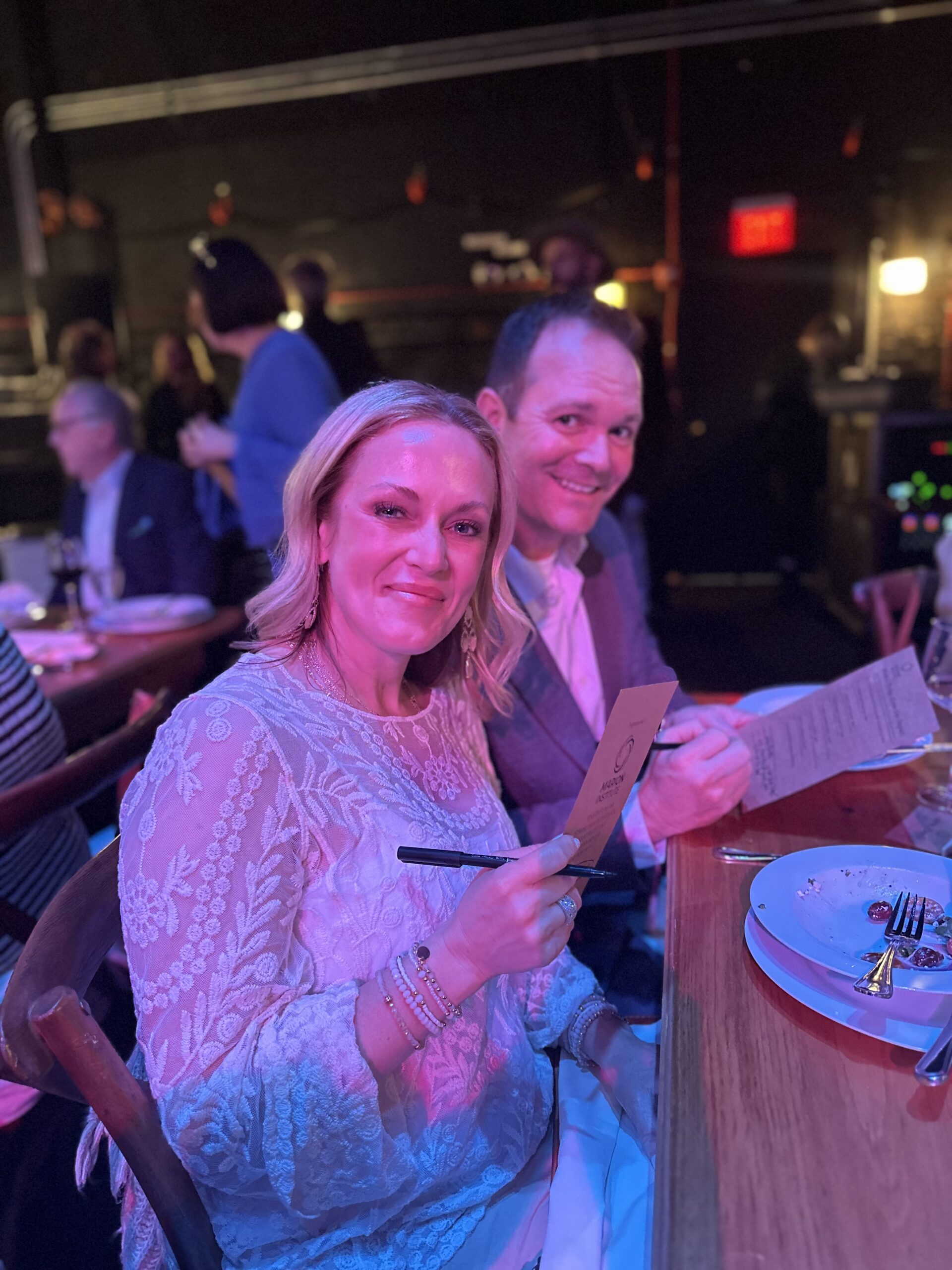
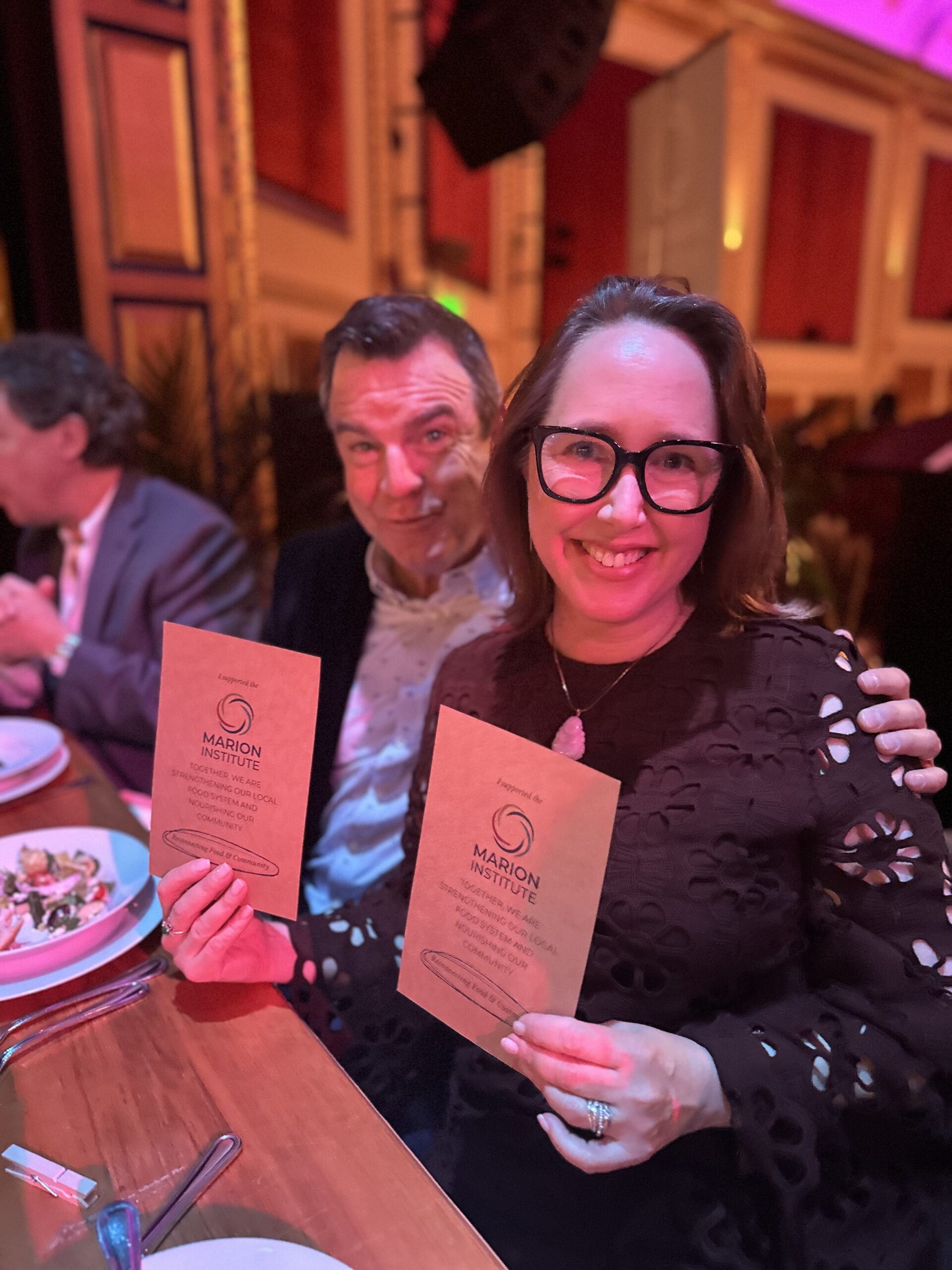
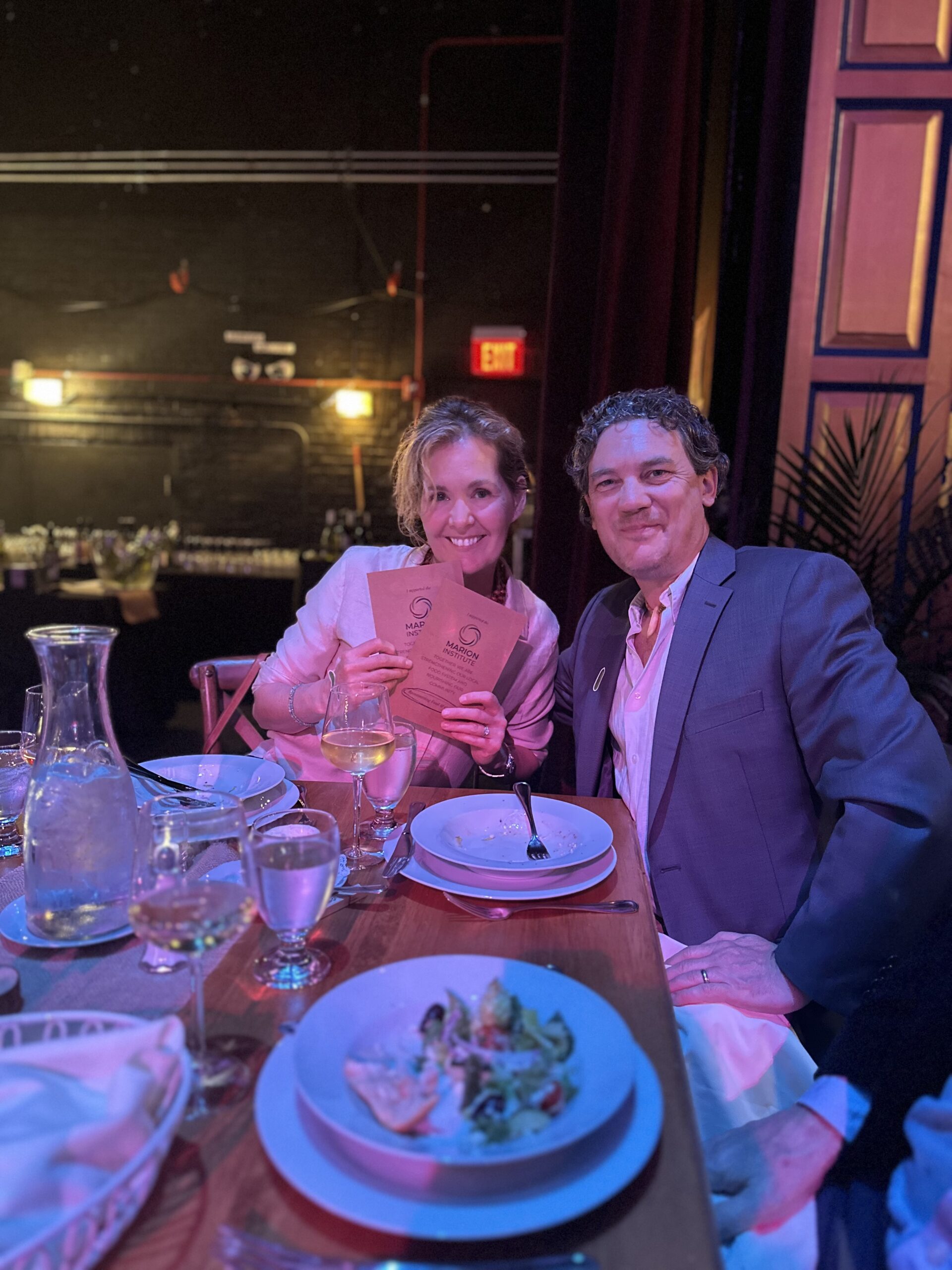
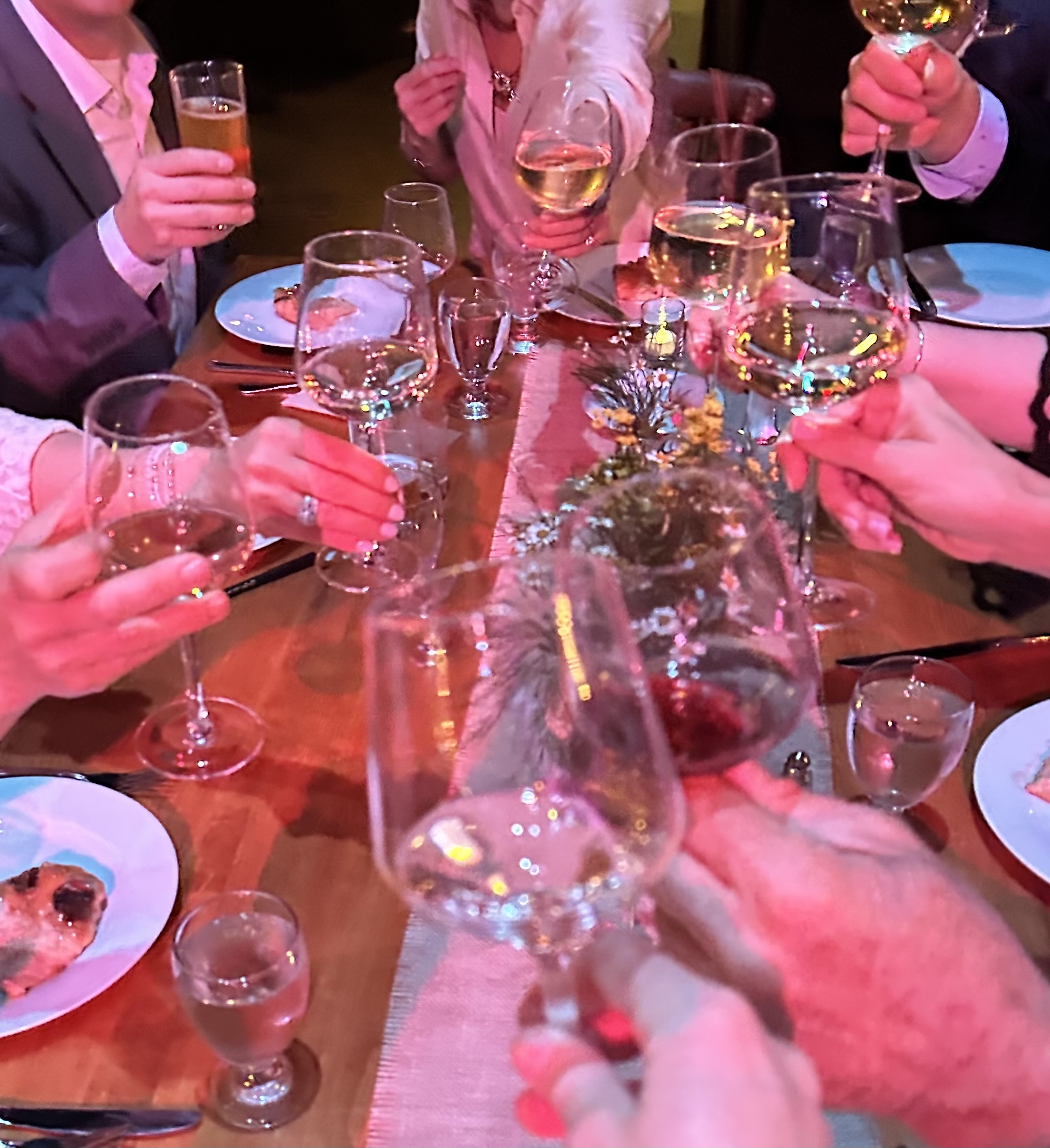
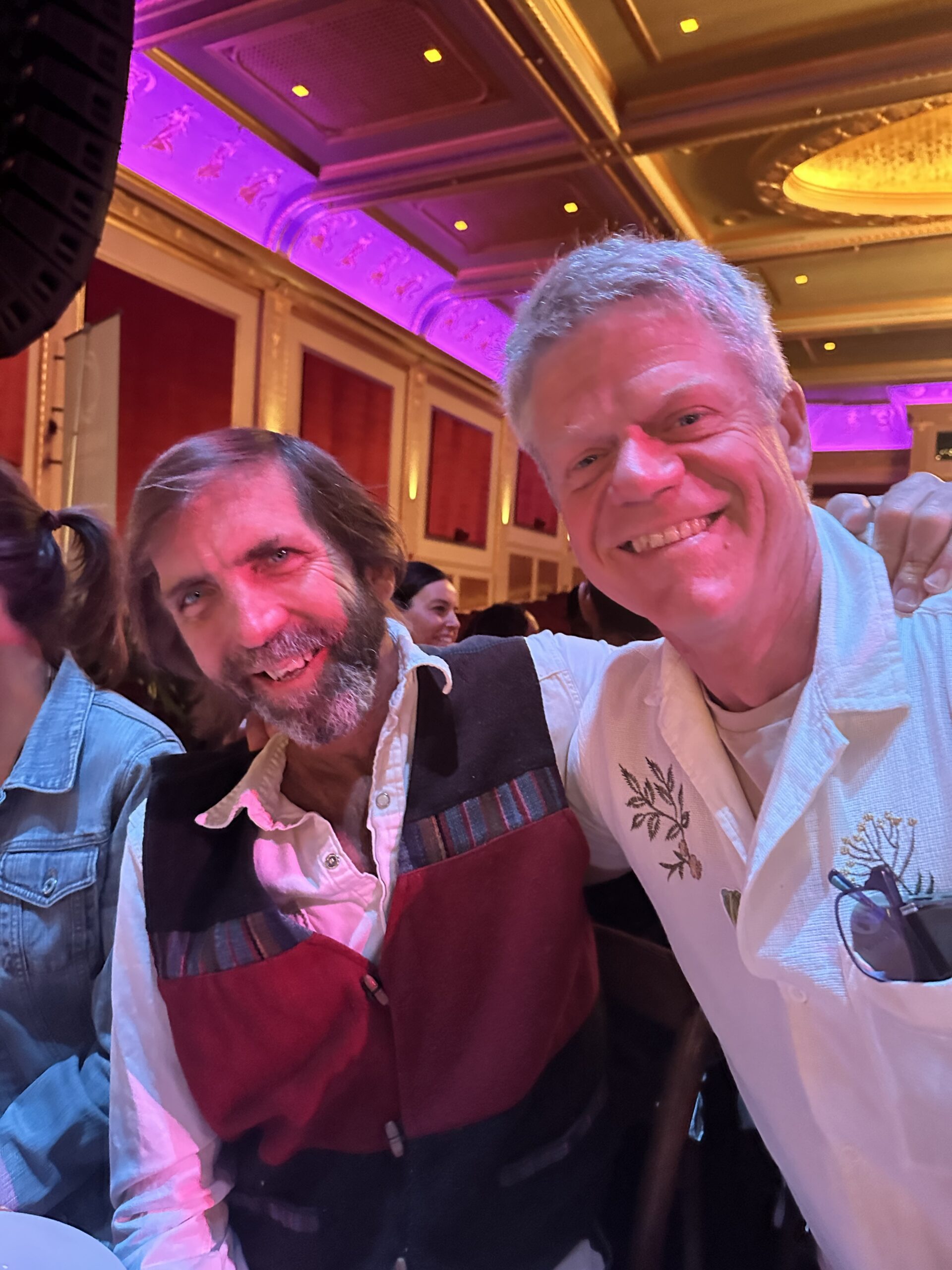
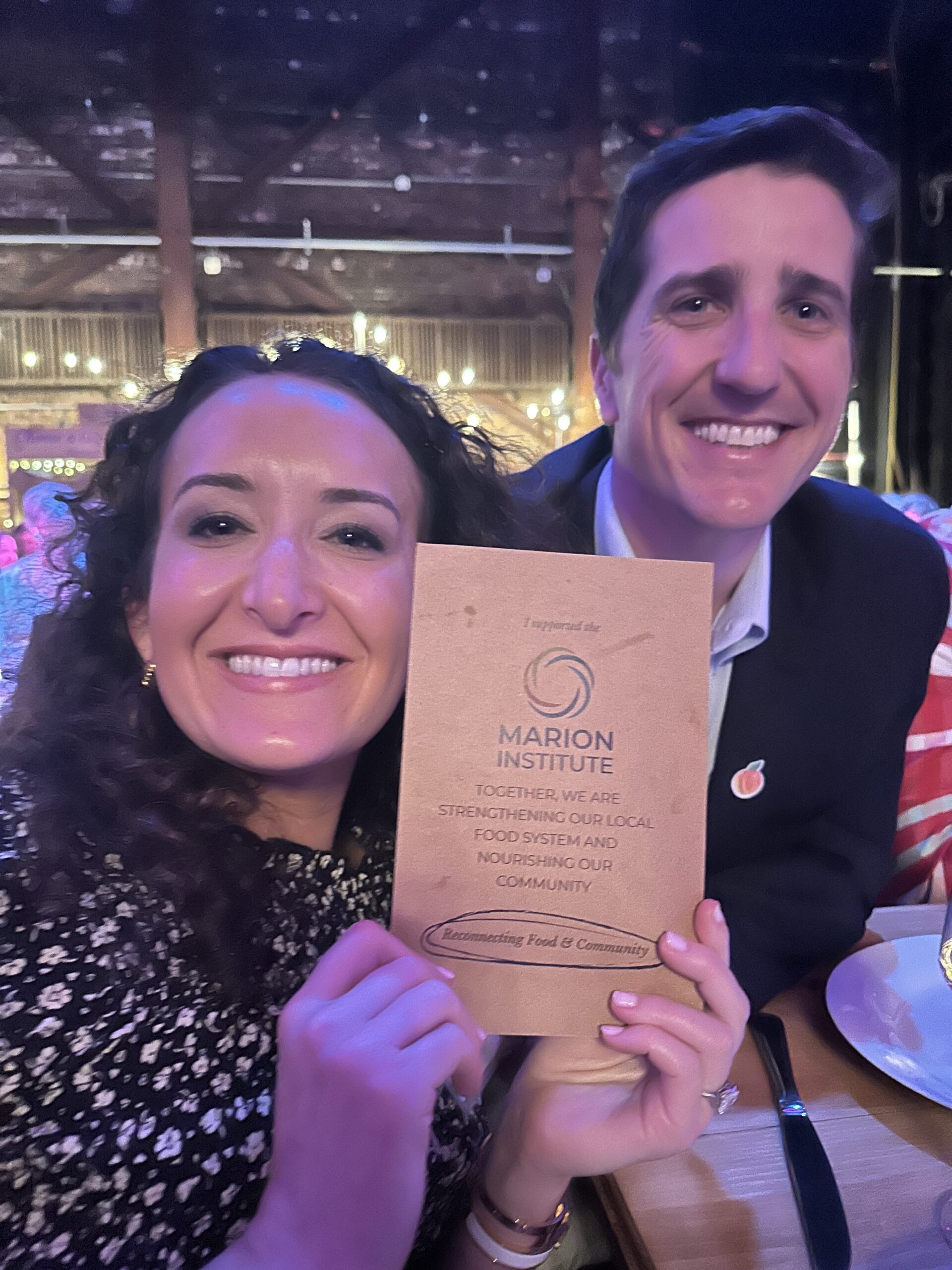
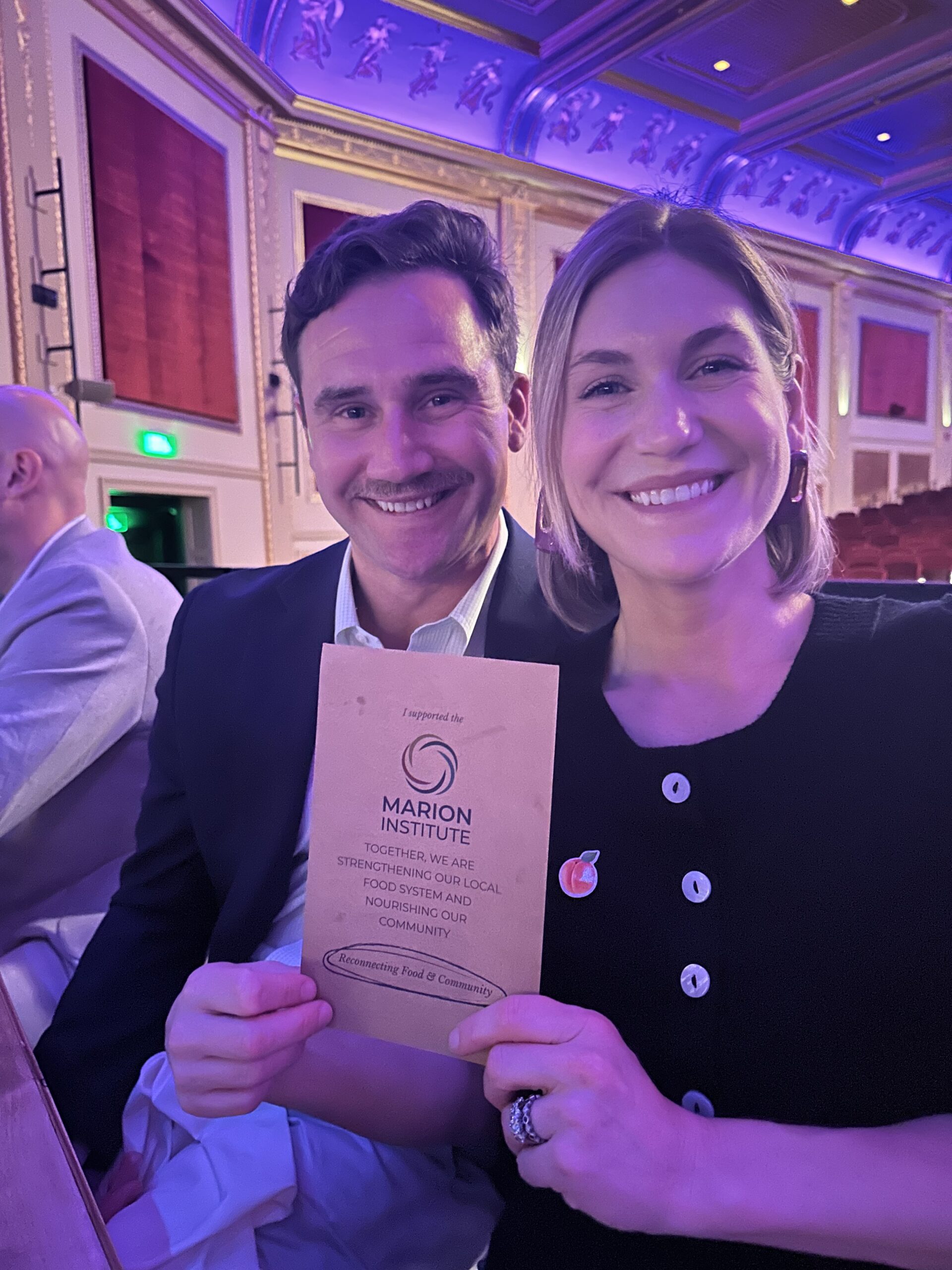
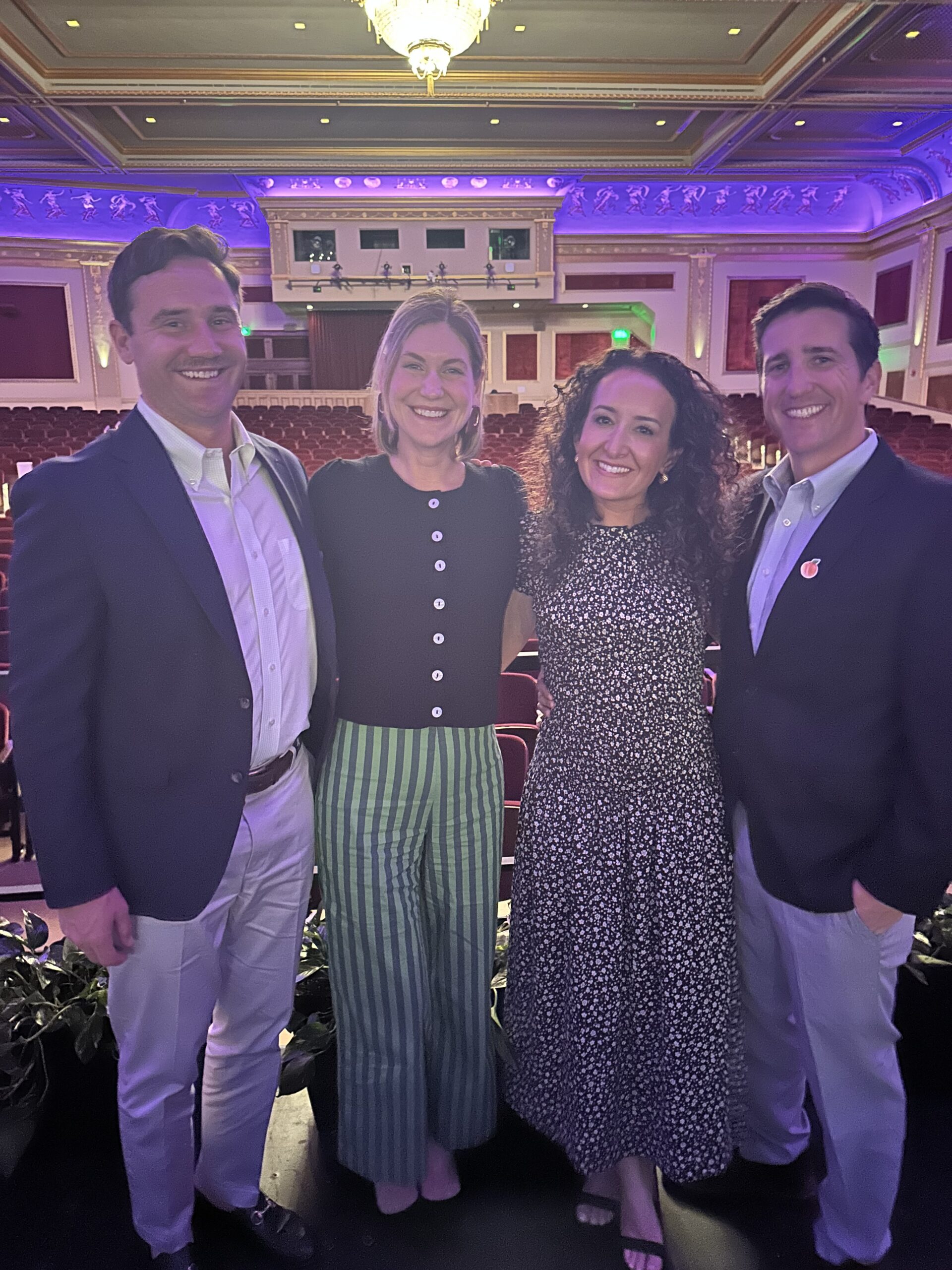
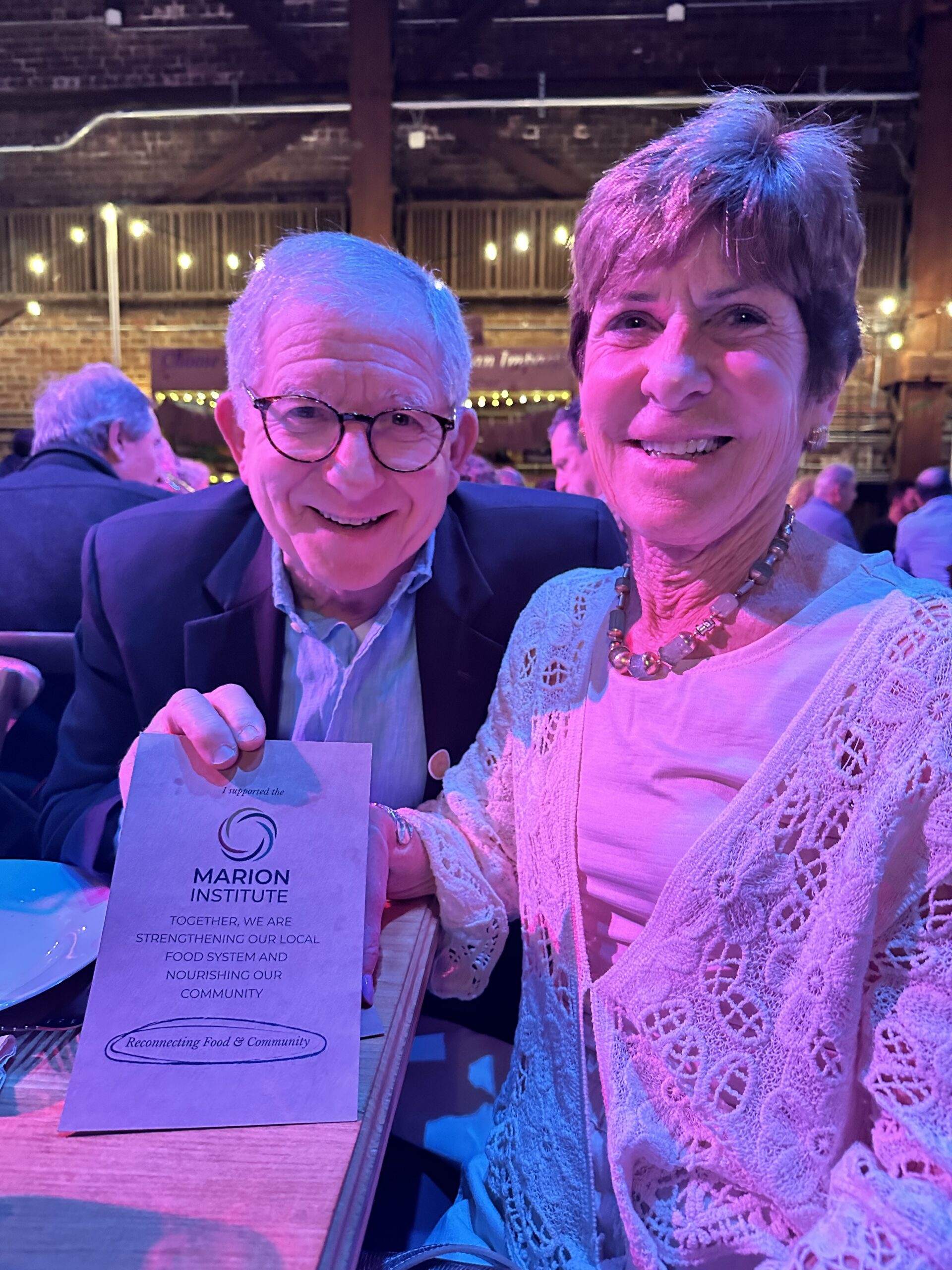
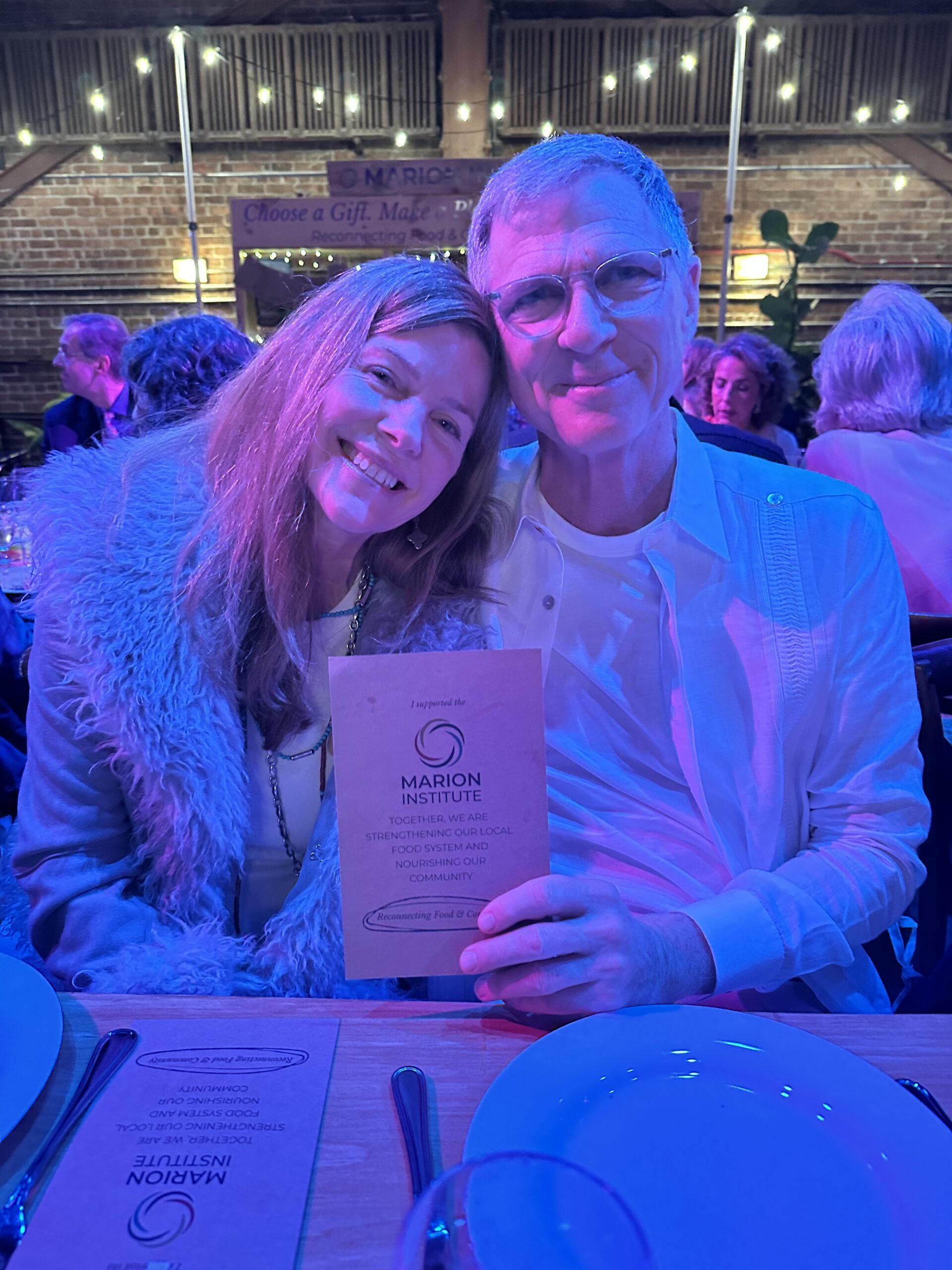
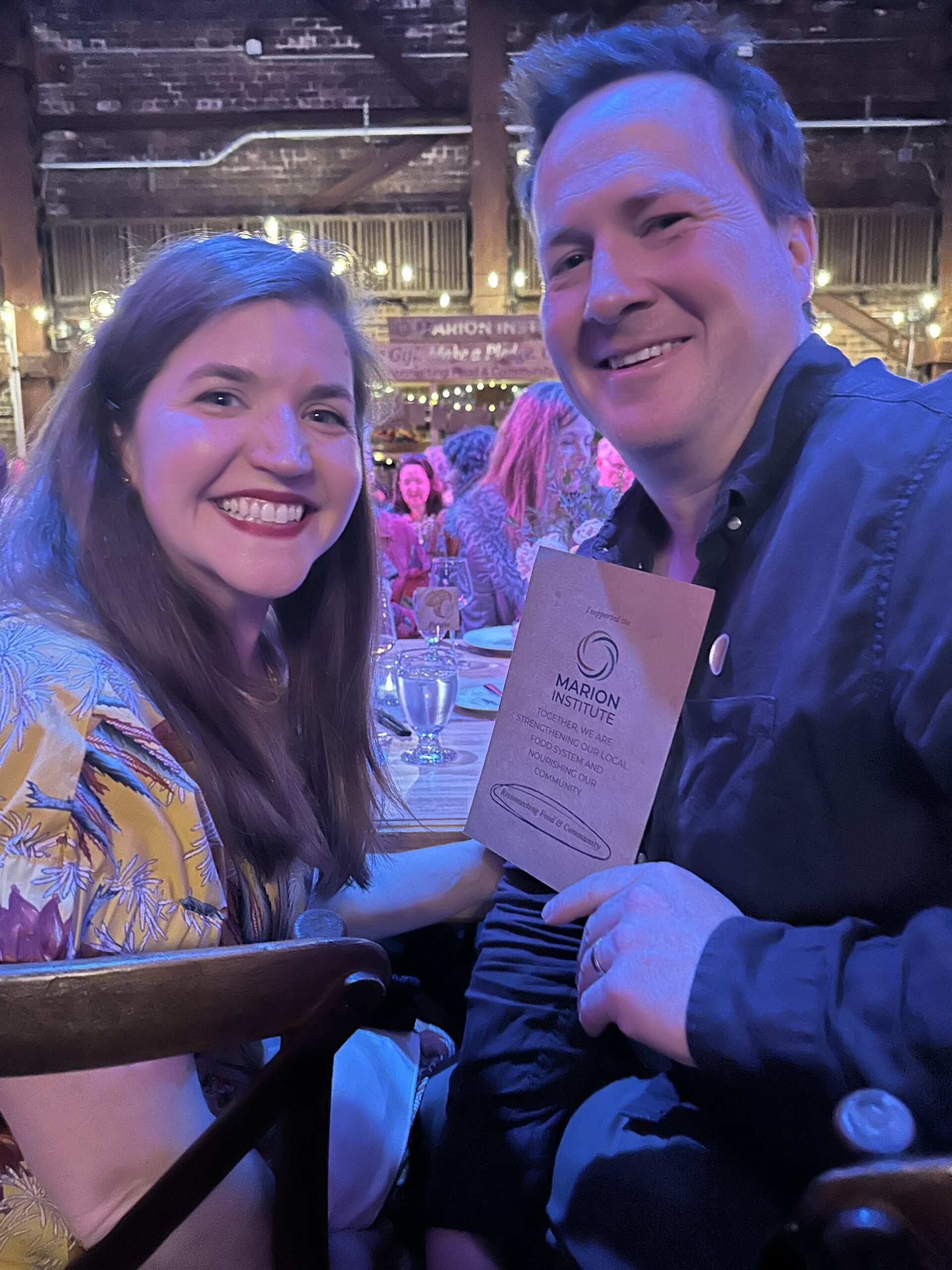
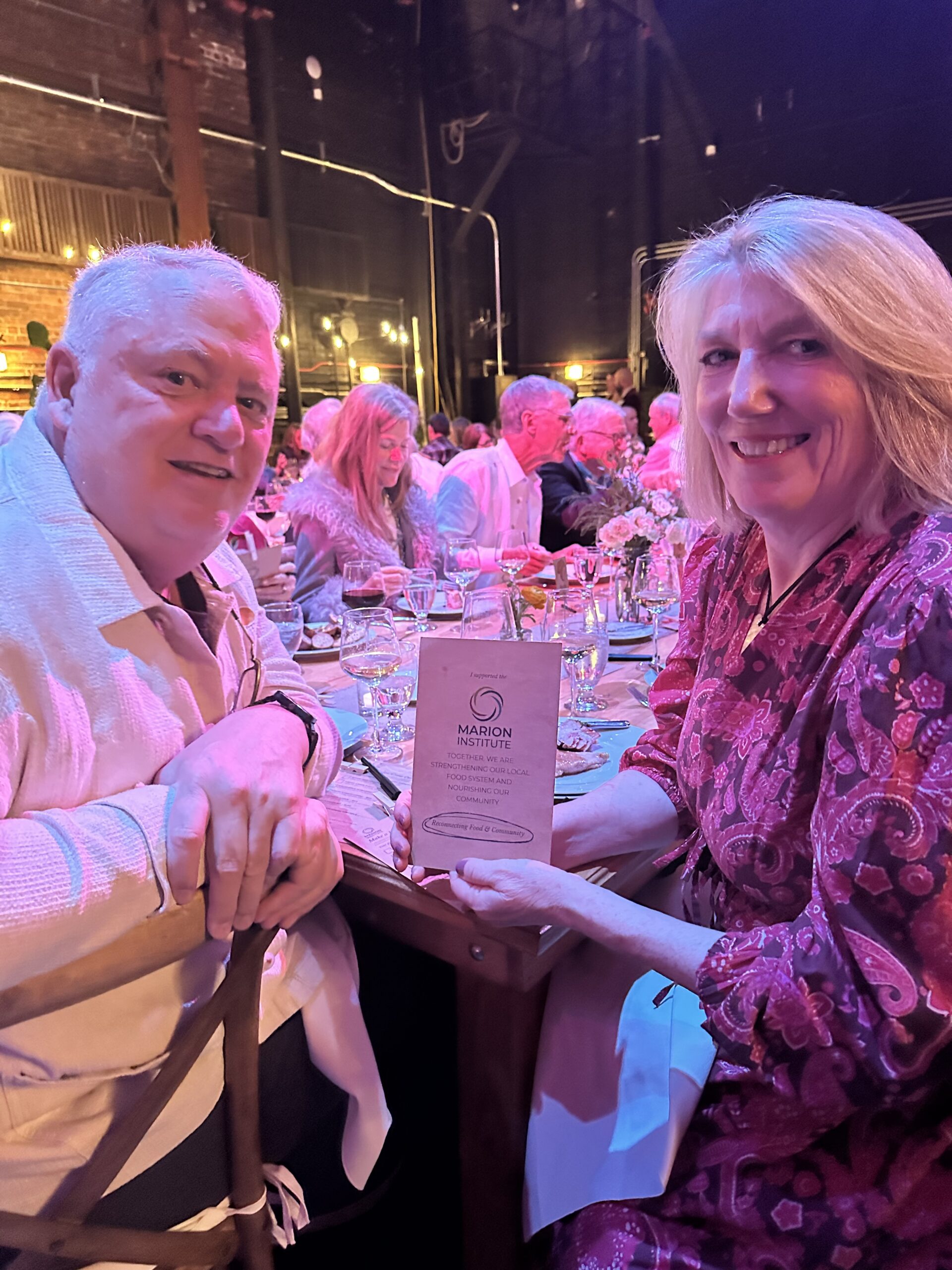
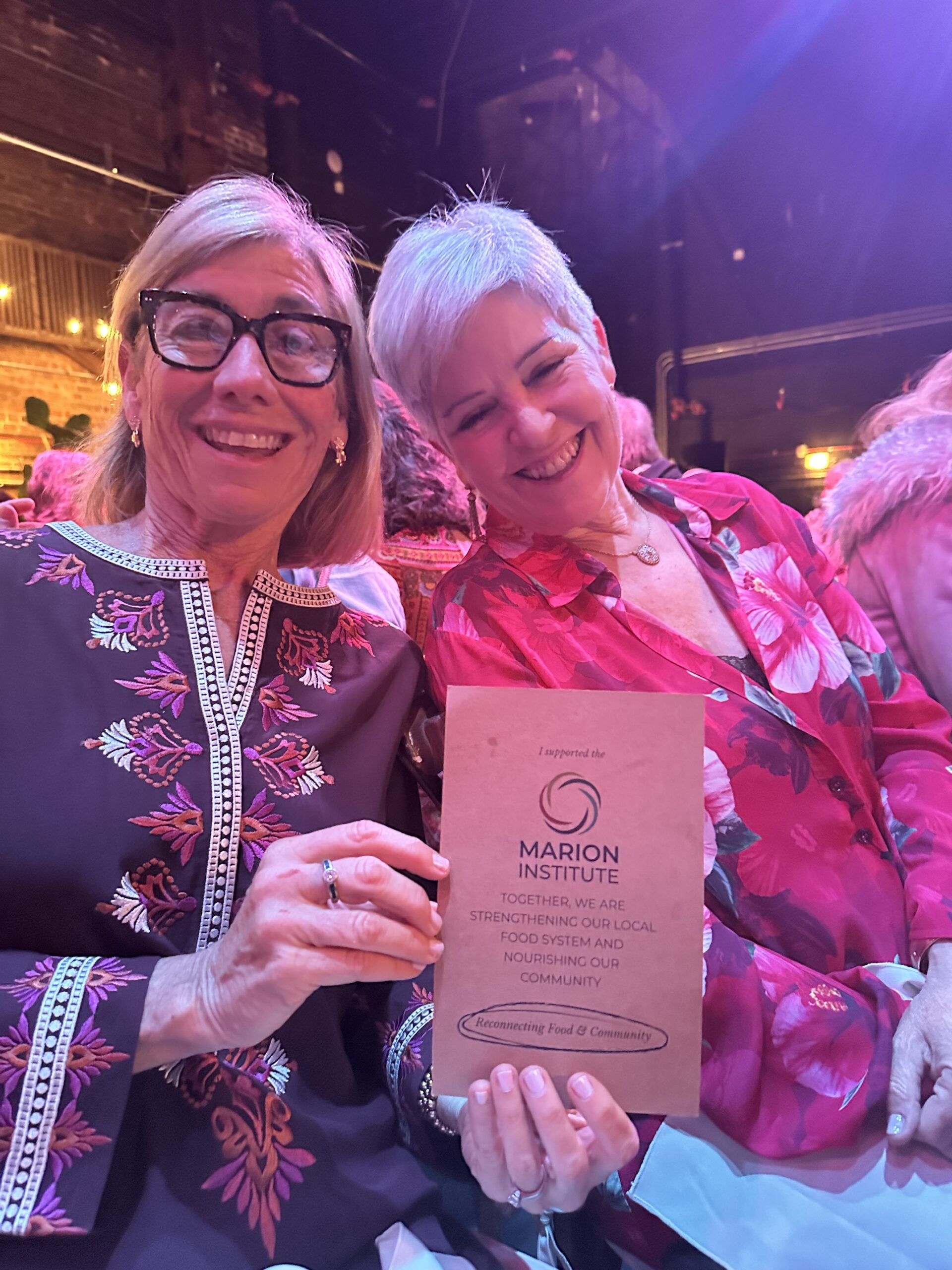
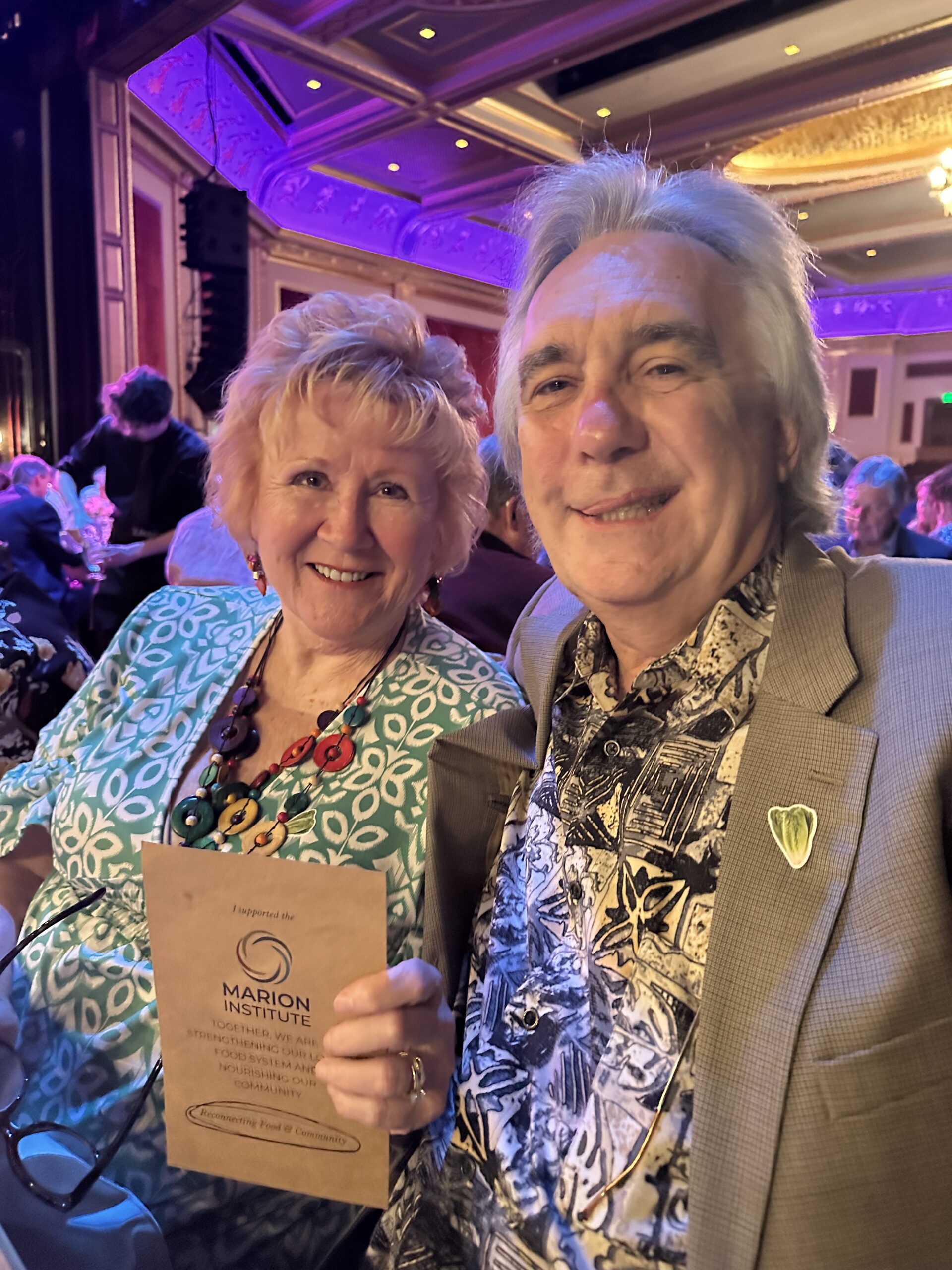
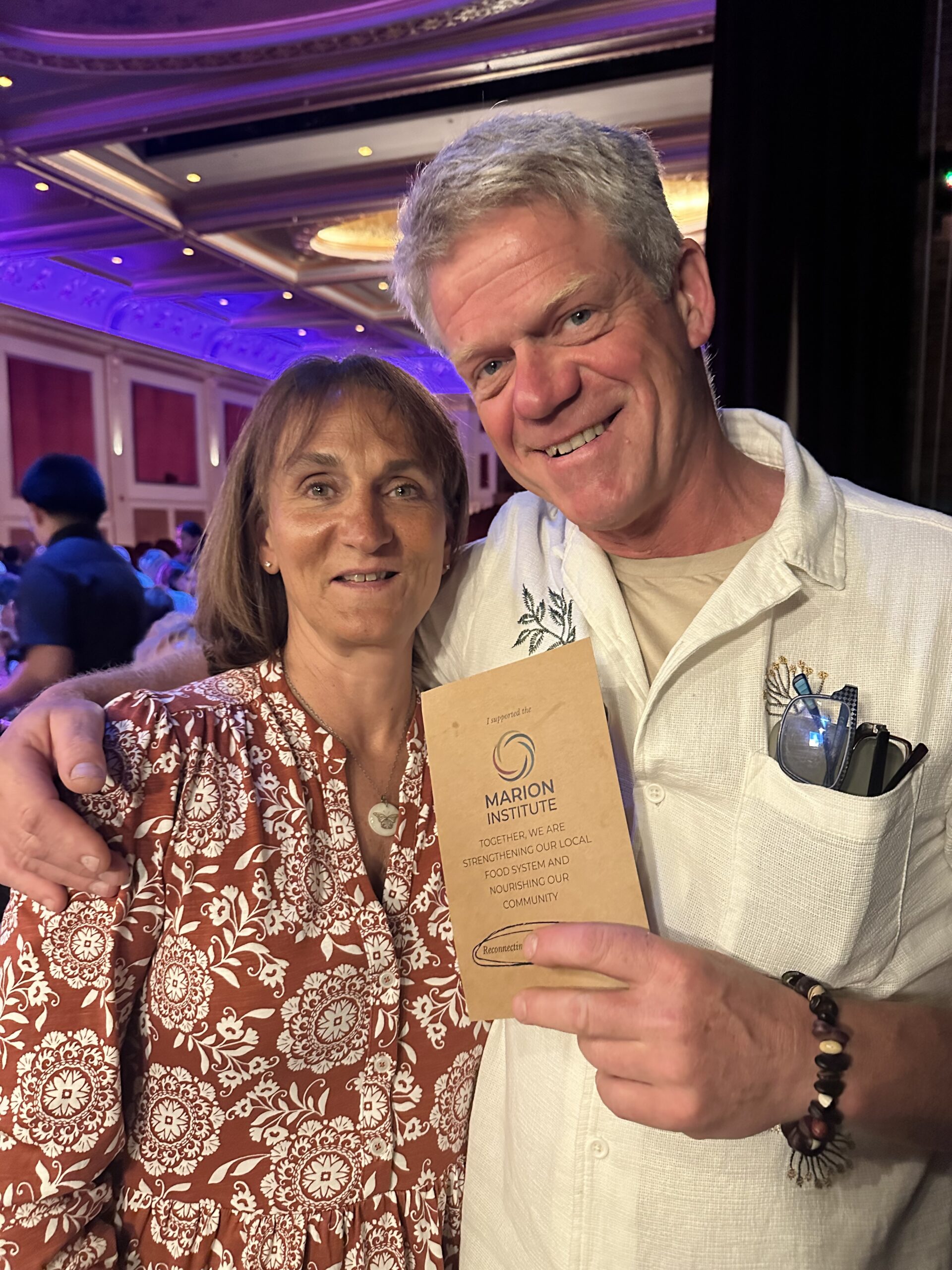
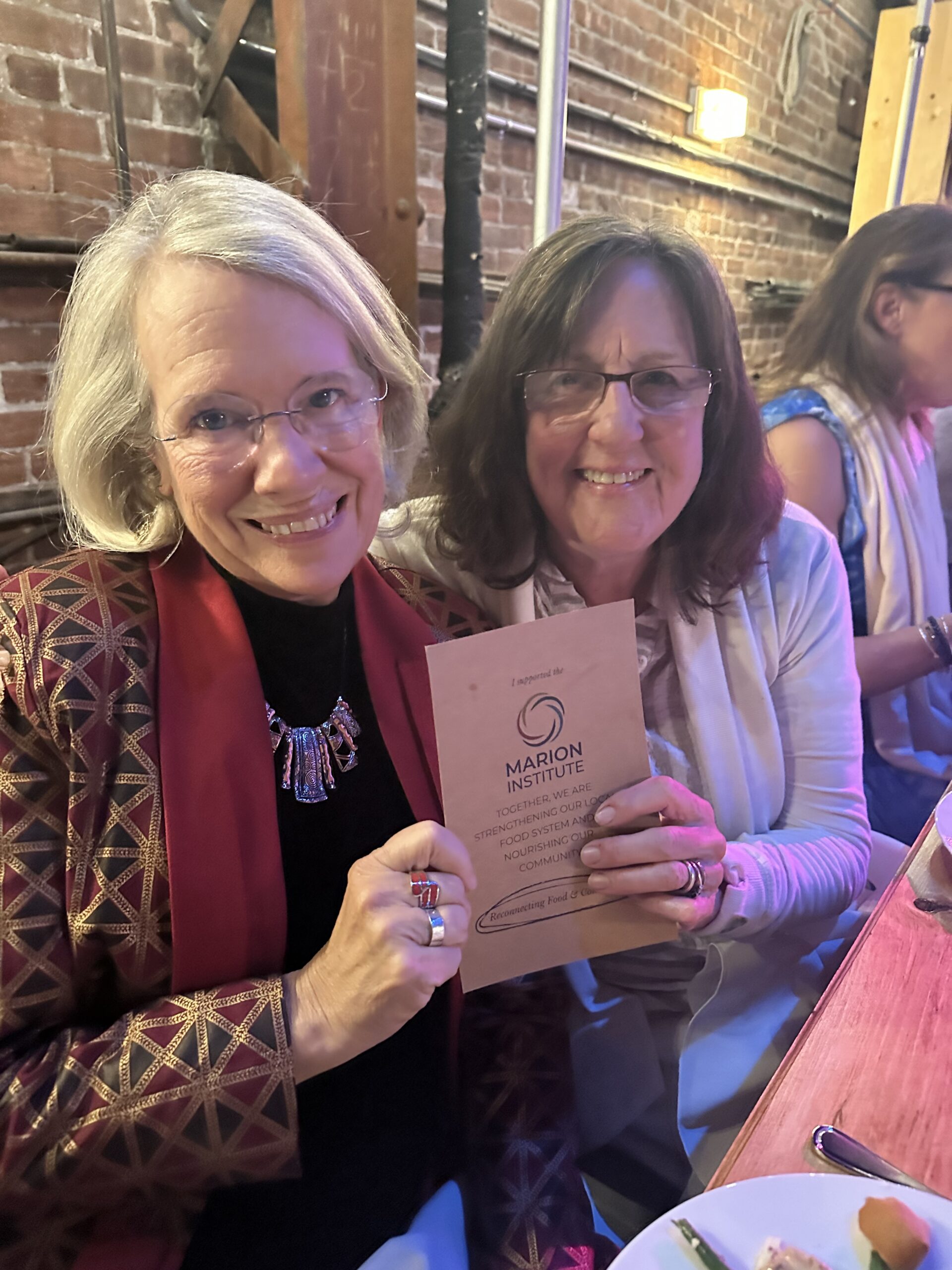
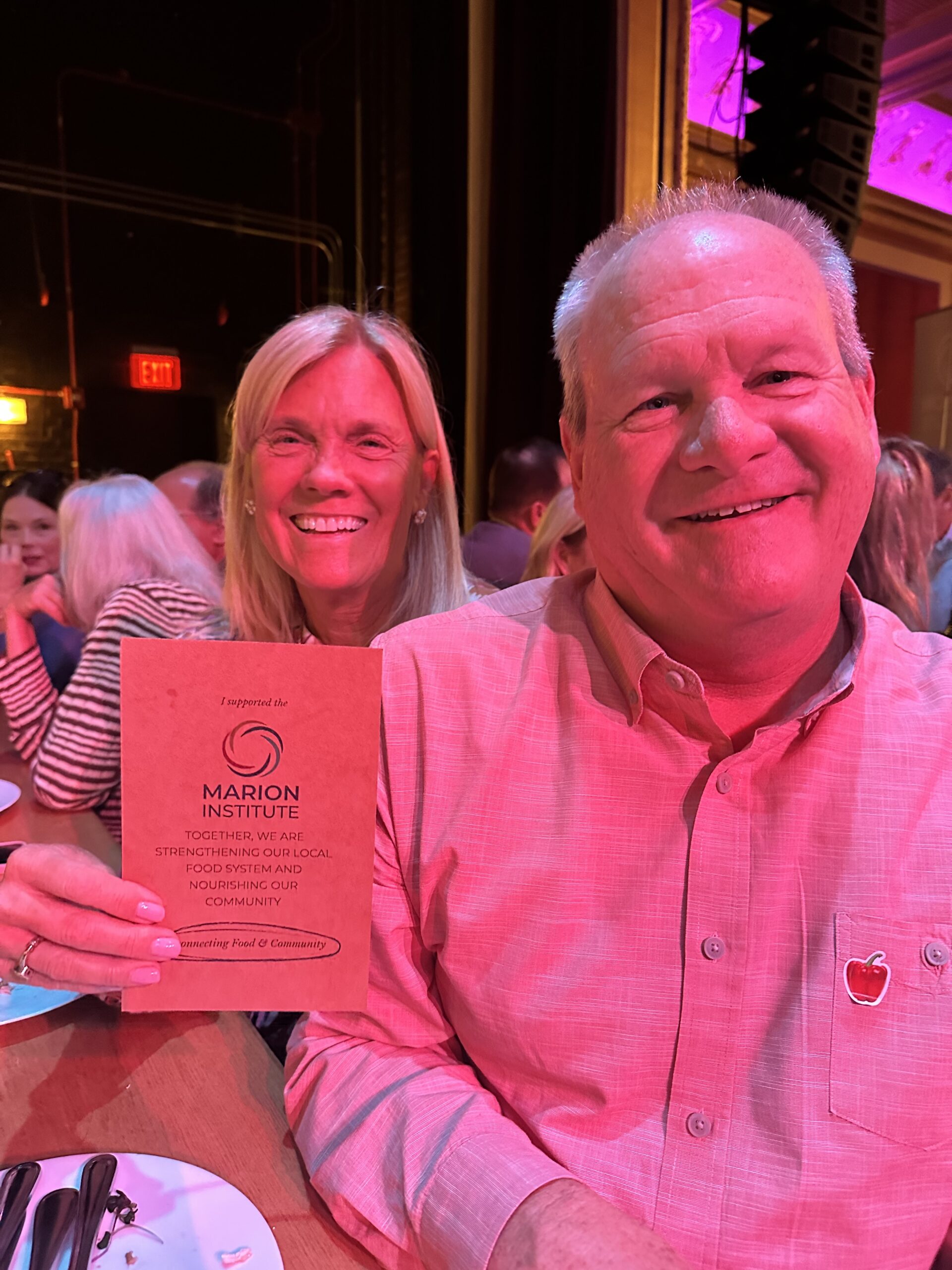
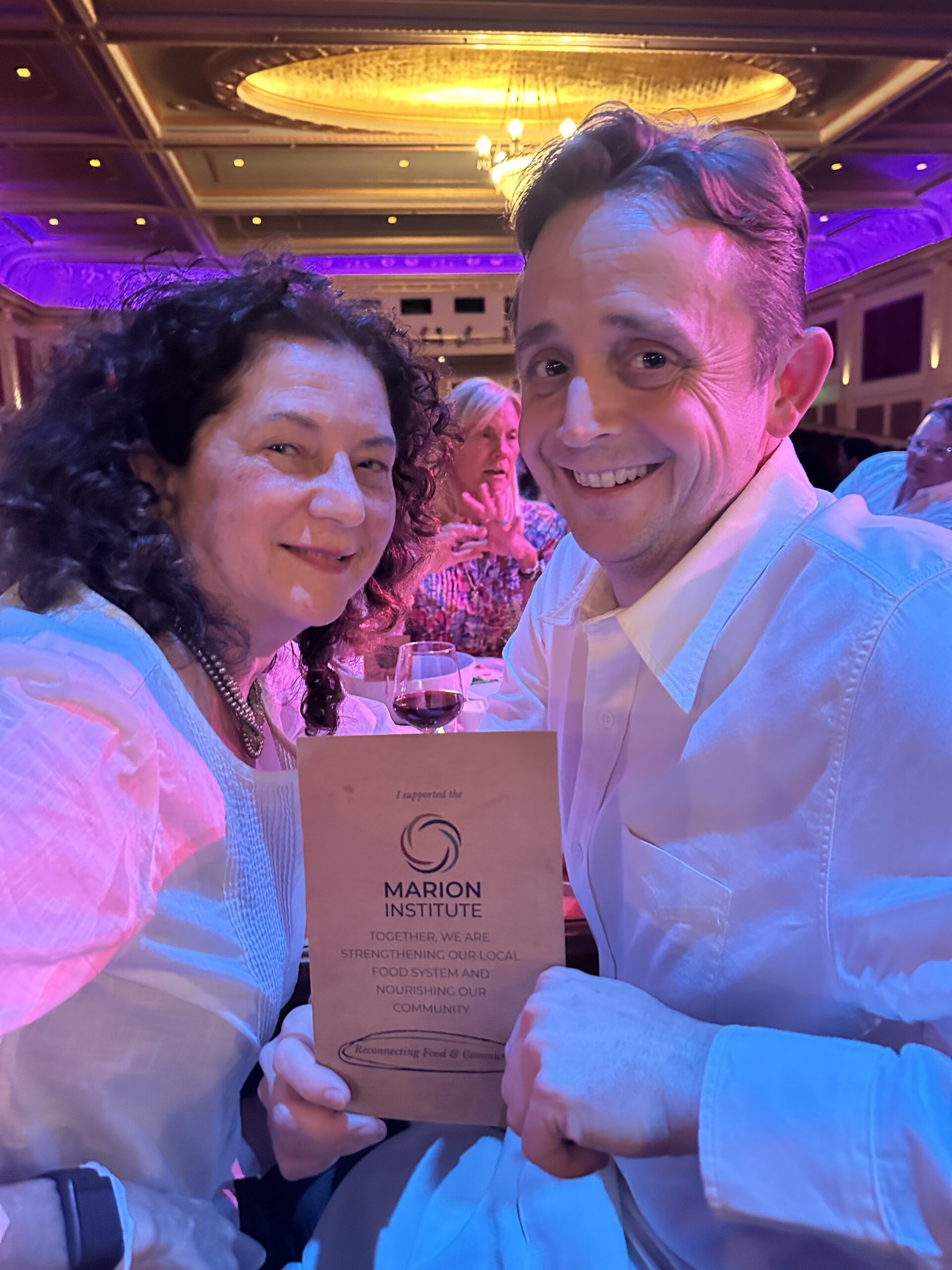
Photos from the magical night
 How We Strive to Stay at Zero Waste During Large Events
Designing Events with Zero Waste in Mind
Did you know that the average large event can generate over 1 pound of waste per guest—much of it ending up in landfills?
At Roots & Revelry, we set out to do things differently.
From the very beginning, our goal was simple: create a beautiful, memorable experience while minimizing our impact on the environment. With a little planning—and a lot of intention—we are able to move closer to a zero-waste event model.
Here’s how we made it happen—and how you can incorporate these practices into your next gathering:
- Ditch disposables. We used reusable glassware, silverware, and plates to significantly reduce waste.
- Rethink trash altogether. We intentionally did not place traditional garbage bins throughout the event, encouraging more mindful disposal.
- Make composting easy (and visible). Clearly labeled compost stations—supported by volunteers helping guests sort food and plate waste—made participation simple. (Thank you to Paradox Acres for helping us compost!)
- Plan for food recovery. All excess, uneaten food was donated to Sister Rose’s House. (Tip: call ahead—many local shelters welcome prepared food donations.)
- Choose compostable where needed. Cocktail napkins were fully compostable and went straight into our compost stream.
- Opt for reusable linens. All dinner napkins were cloth, not paper.
- Close the loop. All bottles and cans were collected and recycled.
Zero waste doesn’t have to mean complicated—it just takes thoughtful choices and a commitment to doing things differently.
Thank you for helping us care for our corner of the earth—one event at a time.
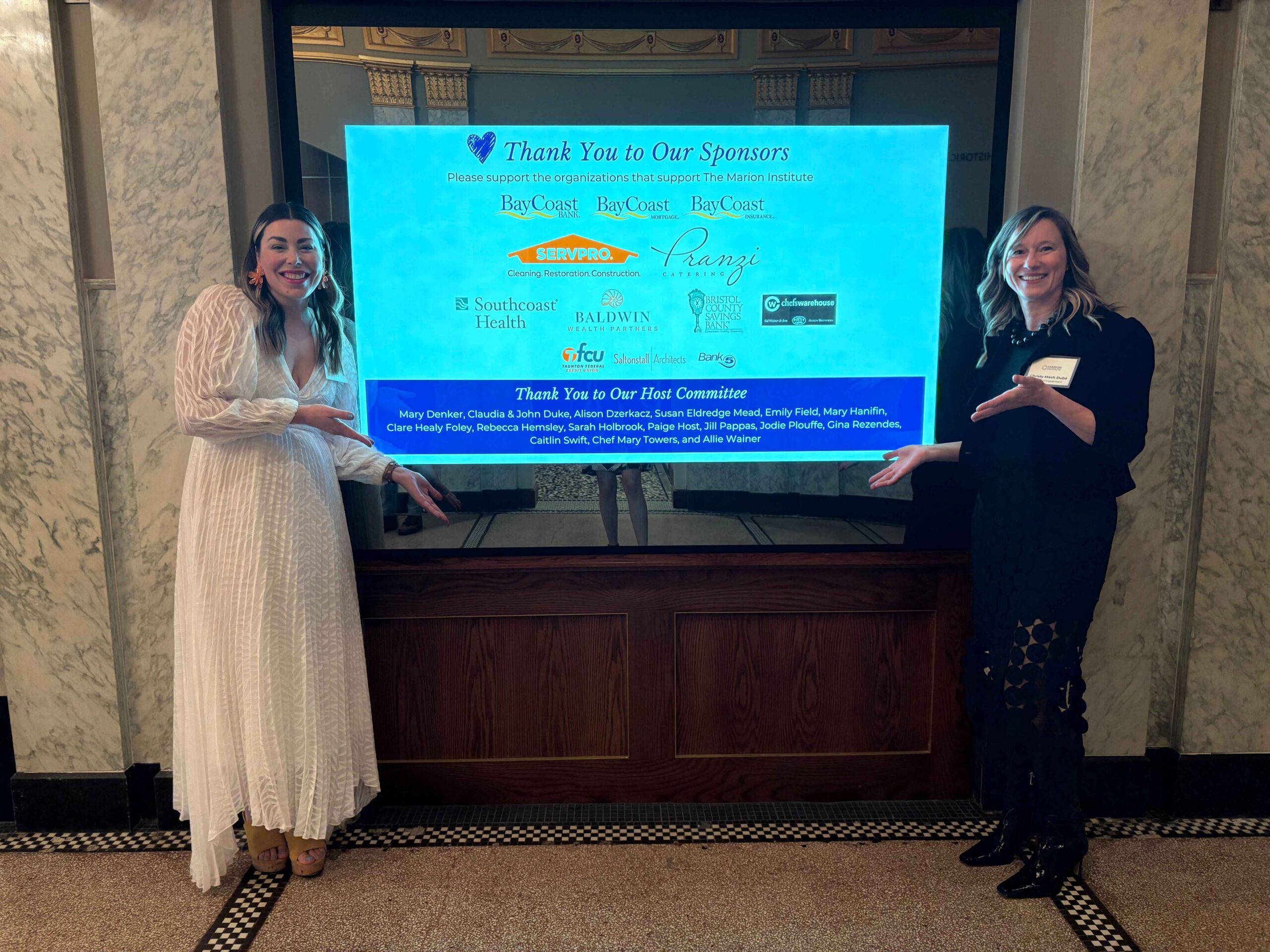
Thank You to Our Event Sponsors & Host Committee Members
Please support the organizations that support The Marion Institute
Related Posts